
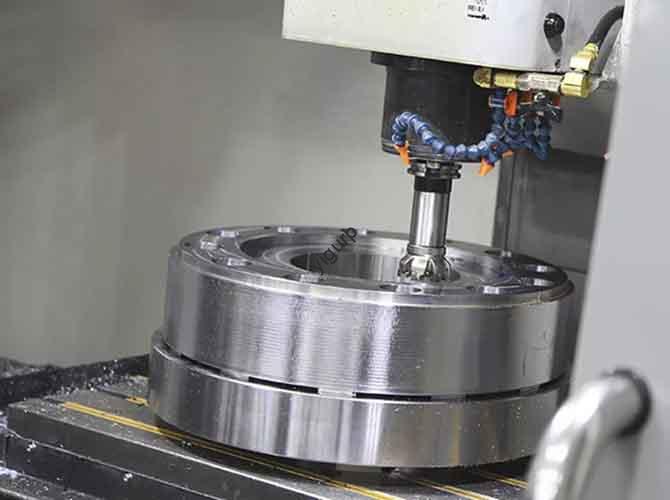
In precision manufacturing, getting a perfect surface finish is a must. Many shops turn to CNC grinding to reach these high goals. This computer-controlled process removes material with an abrasive wheel to create very exact parts. Whether you work in aerospace or medical tools, this guide will show you how the process works. We will break down the steps, the tools, and the benefits for your business.
What Is CNC Grinding Exactly?
CNC grinding is a machining process that uses a spinning wheel to grind away metal. A computer “brain” runs the show using G-code. This means the machine moves with a level of accuracy that a human hand simply cannot match. It ensures that every part in a big batch is exactly the same.
The Core Parts of the Machine
To get the best results, every part of the machine must work together. Here are the main parts found in a modern CNC grinder:
| Component | What It Does |
| Control System | The brain that reads the code and moves the tools. |
| Grinding Wheel | The cutting tool made of abrasive grains. |
| Worktable | Holds the part and moves it on the X, Y, and Z axes. |
| Spindle | Spins the wheel at speeds up to 15,000 RPM. |
| Coolant System | Sprays fluid to stop the part from getting too hot. |
| Sensors | Checks the position to keep tolerances tight. |
How Does the CNC Grinding Process Work?
The process follows a set path to ensure the highest quality. It turns a rough metal block into a smooth, finished part through several key steps.
Programming and Initial Setup
First, engineers use CAD software to design the part. They turn this design into a program that tells the machine what to do. The operator then picks the right grinding wheel. For example, they might use a diamond wheel for hard steel. They also set the flow of the coolant to keep things stable.
Clamping and Precise Positioning
The operator secures the metal part to the table. They often use a magnetic chuck to hold it tight. Sensors then check the alignment. This step is vital because even a 0.001mm error can ruin a high-end part. The machine must know exactly where the part sits before it starts.
Automatic Grinding and Inspection
Once the machine starts, the wheel spins and touches the part. Sensors watch the temperature and wheel wear in real time. If the wheel gets dull, the system adjusts itself.
After the grind, the part goes through a quality check. We use micrometers to check the size and testers to check the finish. CNC grinding can make a surface smoother than a polished mirror.
Industry Case Study: An aerospace shop recently used this to finish turbine blades. The blades must survive extreme heat. By using CNC, they kept the edges precise to 0.0003mm. This level of detail ensures the engine runs safely.
Is CNC Better Than Manual Grinding?
Many people wonder if they should stick with manual tools. While old methods work for simple jobs, CNC grinding wins for precision.
| Factor | CNC Grinding | Manual Grinding |
| Accuracy | ±0.0005mm | ±0.01mm |
| Speed | 3x faster; runs 24/7 | Slow; needs an operator |
| Consistency | 99.9% uniform | Varies by the person |
| Flexibility | Fast program changes | Needs hours to reset |
What Are the Main Technical Benefits?
Using CNC technology solves many pain points in the factory. It helps you save money and improve your production goals.
- Unmatched Precision: The system removes human error. A medical shop uses this to make tiny surgical needles. Every needle is a perfect match.
- Higher Efficiency: The machine does not get tired. An auto parts factory cut their rotor production time by 60% after moving to CNC.
- Great Flexibility: You can switch from making one part to another in minutes. You just upload a new program to the CNC brain.
- Superior Surface Quality: Traditional tools leave rough marks. CNC gives a mirror finish that needs no extra polishing.
Why Choose Yigu for Grinding Needs?
At Yigu Technology, we believe that precision machining is the backbone of modern industry. We help our clients pick the best tools for their jobs. We might suggest CBN wheels for steel or diamond wheels for ceramics. We also help with preventive maintenance. Keeping your machine clean can make it last 30% longer. Our team works with you to make sure your production cycle is fast and cost-effective.
Conclusion
CNC grinding is the best choice for anyone who needs ultra-high accuracy. It offers a mix of speed, consistency, and smooth finishes that manual work cannot provide. By following the right steps and using the best tools, you can reach your production goals with ease. It is a smart investment for any modern shop.
FAQ
What materials can I use with CNC grinding?
You can grind almost any hard material. This includes steel, titanium, and ceramics. We do not suggest using it for soft metals like aluminum because they can clog the grinding wheel.
How often should I replace the grinding wheel?
It depends on the material you cut. For steel, a wheel may last 200 to 300 hours. For hard ceramics, it might only last 50 hours. The machine will usually tell you when it is time for a change.
Can these machines handle very large parts?
Yes. Some industrial grinders can handle shafts up to 5 meters long. You just need a machine with a large bed and a strong spindle.
Discuss Your Projects with Yigu Rapid Prototyping
Do you have a project that needs a perfect surface finish? Our team at Yigu Technology is ready to help. we offer expert CNC grinding services for all your precision needs. We focus on quality and fast lead times to keep your project on track. Would you like me to give you a quote for your next high-precision machining project?