
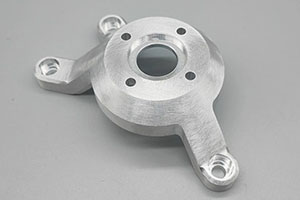
Chamfering is a small but critical step in CNC machining. It turns sharp edges into angled surfaces—simple, but it impacts safety, assembly, and part quality. This guide covers everything you need to know for smooth, precise, cost-effective chamfering. Whether you’re new to CNC or an experienced engineer, you’ll learn key tips, tools, and best practices to avoid common mistakes.
Why Does Chamfering Matter?
Key Functions
Chamfering isn’t just for looks—it solves real problems in machining and assembly:
- Safety First: Sharp edges can cut workers or damage mating parts. A simple chamfer eliminates this risk.
- Easier Assembly: Chamfers guide parts (like shafts into holes) to reduce insertion time by up to 30%.
- Less Stress: Sharp corners trap stress. Chamfers spread forces, boosting part durability by 20–40%.
- No Burrs: It removes burrs that hurt accuracy or cause wear in moving parts.
- Better Finishes: Hides small machining flaws and keeps coatings (like paint) from chipping.
A medical device client once skipped chamfering on a small component. Workers got cuts during assembly, and the part failed stress tests—costing them a week of rework.
Critical Industries
Chamfering is vital across most sectors, but especially these:
- Automotive: Engine and transmission parts need tight fits and safety.
- Aerospace: Precision components rely on stress distribution and light weight.
- Medical: Patient and worker safety, plus sterile surfaces, are non-negotiable.
- Electronics: Enclosures and connectors need safe edges and alignment.
How to Control Chamfer Dimensions?
Standard Specs
Chamfers are defined by width (edge distance) and angle. Here’s what’s typical:
- Width: 0.5mm to 5mm for most industrial parts.
- Angles: 30°, 45°, or 60° (45° is most common).
- Tolerances: ±0.1mm (general); ±0.05mm (precision parts).
Common Mistakes
Oversized chamfers create too much clearance—ruining fits. Undersized ones don’t fix sharp edges. A furniture hardware client made 4mm chamfers instead of 2mm—their bolts wobbled, and they had to scrap 500 parts.
How to Measure
Use the right tools to check accuracy:
- Chamfer gauges: Quick checks for angle and width.
- Digital calipers: Precise width measurements.
- Optical comparators: For high-precision parts (aerospace/medical).
We inspect 100% of aerospace chamfers—even small errors can cause big issues.
Which Chamfer Shape to Choose?
Angle Selection
| Angle | Best For |
|---|---|
| 45° | General use—easy to machine, universal fit. |
| 30° | Guiding long shafts or large components. |
| 60° | Thick materials—minimal material removal. |
Profile Tips
Straight chamfers work for most parts. For high-stress uses, add a small fillet (rounded edge) with the chamfer—it boosts strength and assembly ease.
Which Tools to Use?
Tool Types
- Chamfer Mills: Specialized for chamfers—fixed or adjustable angles.
- End Mills: Versatile for large/irregular chamfers.
- Countersinks: For hole edges (matches fastener heads).
- Deburring Tools: Light chamfers for burr removal only.
Tool Material Guide
| Tool Type | Best For | Tool Life | Cost Range |
|---|---|---|---|
| Carbide Chamfer Mill | Hard materials, high volume | 500–1,000 parts | $20–$100 |
| HSS Chamfer Mill | Soft materials, low volume | 100–300 parts | $10–$40 |
| Adjustable Chamfer Tool | Prototypes, variable angles | 300–800 parts | $30–$150 |
| Countersink | Hole edges for fasteners | 400–900 parts | $15–$75 |
We use carbide tools for stainless steel parts—they last 3x longer than HSS, saving money long-term.
How to Set Cutting Parameters?
Key Settings
Parameters depend on material and tool, but here are general guidelines:
- Cutting Speed: 100–300 SFM (aluminum: 200–300; steel: 100–200).
- Feed Rate: 0.002–0.005 inches per tooth.
- Depth of Cut: Match chamfer width—use multiple passes for wide chamfers.
- Coolant: Flood cooling for high volume—prevents heat damage.
Adjustment Tips
Harder materials need slower speeds. Larger tools can handle higher feeds. A thin-walled part? Reduce parameters to avoid vibration.
How to Avoid Vibration?
Vibration ruins chamfer quality and wears tools. Follow these steps:
- Keep tool overhang under 3x tool diameter.
- Use rigid fixtures to clamp parts tightly.
- Calibrate your CNC machine regularly (spindle runout < 0.0002 inches).
- Cut wide chamfers in multiple small passes.
A client had chatter marks on their chamfers—we shortened tool overhang, and the issue disappeared.
When to Do Chamfering?
Best Timing
- After primary machining: Don’t damage chamfers during other cuts.
- Before final finishing: Ensure chamfers get the same coating/ polish.
- After drilling: Chamfer holes immediately to prevent burrs.
CAD/CAM Tips
Integrate chamfers into your digital workflow:
- Add chamfers to 3D models with clear dimensions (no vague notes).
- Use CAM chamfer cycles—saves 20–30% programming time.
- Simulate tool paths to avoid collisions.
How to Inspect Chamfers?
Inspection Tools
- Visual check: For burrs and uniformity (non-critical parts).
- Chamfer gauges: Quick angle/width checks.
- CMMs: Precise measurements for high-end parts.
Acceptance Criteria
- Tolerances: ±0.1mm (general); ±0.02–0.05mm (precision).
- Surface finish: Ra 1.6–6.3μm (smoother for aesthetics/sealing).
- No burrs, cracks, or chatter marks.
Fix Common Defects
| Defect | Fix |
|---|---|
| Inconsistent size | Replace worn tools; check part positioning. |
| Poor finish | Reduce speed; increase coolant flow. |
| Chatter marks | Shorten tool overhang; adjust spindle speed. |
How to Control Chamfer Costs?
Cost Drivers
- Complex designs: Irregular edges add 15–40% to costs.
- Tight tolerances: Add 20–30% (only use if needed).
- Hard materials: Require expensive tools and slower speeds.
Chamfer vs. Fillet Cost
| Aspect | Chamfers | Fillets |
|---|---|---|
| Machining Time | Faster | Slower (15–30% more) |
| Tool Cost | Lower | Higher |
| Per-Part Cost | Cheaper | More expensive |
Cost-Saving Tips
- Standardize sizes: Use 2–3 angles/widths to reduce tools.
- Design for machining: Chamfer multiple edges in one setup.
- Skip tight tolerances: Use looser specs for non-critical chamfers.
Material-Specific Tips
- Aluminum: 200–300 SFM; HSS/carbide tools; use coolant.
- Steel: 100–200 SFM; carbide tools; plenty of coolant.
- Titanium: 50–100 SFM; specialized carbide tools; high-pressure coolant.
- Plastics: Sharp tools; slow feeds; minimal coolant.
Conclusion
Chamfering is a small step that makes a big difference in CNC machining. The key to success is attention to detail: choose the right angle and tool, set correct parameters, avoid vibration, and inspect thoroughly. By following these guidelines, you’ll create chamfers that boost safety, simplify assembly, and improve part quality—all while keeping costs in check. Remember, a well-done chamfer isn’t just a detail; it’s a sign of quality machining.
FAQ
What’s the most common chamfer angle? 45° is the most common. It’s easy to machine, fits most parts, and works well for assembly.
How does chamfer size affect performance? Oversized chamfers cause loose fits; undersized ones don’t fix sharp edges. Match size to your part’s function.
Chamfer vs. fillet—when to choose? Choose chamfers for cost, speed, and assembly ease. Choose fillets for high-stress parts that need better strength.
Do I need coolant for chamfering? Yes, especially for metals. Coolant prevents heat damage, reduces wear, and improves finish.
How to fix chatter marks on chamfers? Shorten tool overhang, use a more rigid fixture, or adjust spindle speed to avoid resonance.
Discuss Your Projects with Yigu Rapid Prototyping
At Yigu Rapid Prototyping, we know chamfering is key to quality CNC parts. Our team helps you choose the right chamfer design, tools, and parameters for your project—whether it’s automotive, aerospace, or medical. Contact us today to discuss your needs, and we’ll deliver precise, cost-effective parts with perfect chamfers every time.