
Introduction
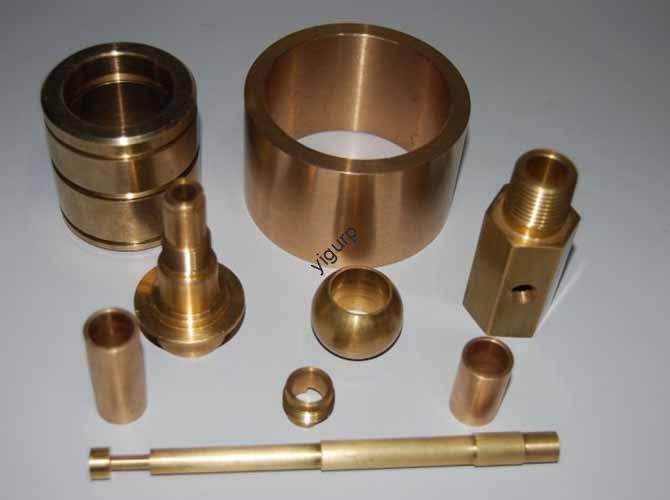
If you are wondering what copper milling is, how it works, or how to get the best results from it—you are in the right place. Simply put, copper milling is a machining process that shapes copper and its alloys into precise parts using specialized tools, often powered by computerized numerical control (CNC) for ultimate accuracy. It is crucial for making components used in electronics, automotive, and industrial applications, where copper’s excellent electrical and thermal conductivity are essential. However, copper’s unique properties, like its softness and how it generates heat during cutting, make milling tricky. Understanding the ins and outs is key to avoiding mistakes and getting high-quality parts. Let’s break this down step by step, from the basics to pro tips.
What Exactly Is CNC Copper Milling?
At its core, CNC copper milling is an automated machining method. The copper workpiece stays stationary, and a rotating spindle equipped with cutting tools moves across its surface to carve out the desired shape. Unlike manual milling, CNC uses pre-programmed computer codes to control every movement, ensuring incredible consistency, speed, and precision—even for the most complex designs.
Copper’s natural properties make this process both useful and challenging. Copper is highly ductile, meaning it bends easily, and it generates a lot of heat when cut. This heat can warp the material or dull your cutting tools if not managed properly. That is why CNC copper milling often relies on slower cutting speeds and specialized coolants to keep both the workpiece and the tools in good condition.
What Are the Common Grades of Copper Used in Milling?
Not all copper is the same. Choosing the right grade depends entirely on your project’s needs. Here is a breakdown of the most popular options, with real-world use cases.
| Copper Grade | Key Properties | Typical Applications | Real-World Example |
|---|---|---|---|
| Pure Copper | Soft, malleable, excellent electrical conductivity. | Electrical wires, circuit board components. | A manufacturer using pure copper to make tiny connectors for smartphones, where conductivity is critical. |
| Electrolytic Copper | Tougher than pure copper, high purity. | Precision parts that need a smooth finish. | A company making heat sinks for laptops; its toughness means it only needs a final polish to meet specs. |
| Free-Machining Copper | Contains alloying elements (like lead) to boost machinability. | Bearings, gears, automotive hydraulics. | An auto parts maker using it for gear teeth—its easy cutting reduces tool wear and speeds up production. |
Why Choose CNC Copper Milling?
The benefits of this process make it a top choice for many industries.
- High Ductility: Copper can be shaped into very thin or complex parts without breaking, which is ideal for tiny electronic components.
- Excellent Conductivity: Both its thermal and electrical properties make it perfect for heat sinks, wires, and circuit boards.
- Corrosion Resistance: Copper resists rust and damage from moisture, so parts last longer in harsh environments like marine equipment.
- Cost-Effective Surface Finishes: CNC-machined copper parts are easy to polish, blast, or passivate, which reduces post-processing costs.
A real example: A renewable energy company uses CNC copper milling to make parts for solar inverters. The process ensures the parts are precise enough to handle high electrical currents, while copper’s conductivity keeps the inverters from overheating—saving the company time and money on repairs.
What Are the Key Properties of Copper Alloys for Milling?
Pure copper is great, but adding other elements, a process called alloying, enhances its properties. This makes it stronger, more machinable, or more resistant to corrosion. The most common copper alloys used in milling are high copper alloys, bronze, and brass.
High Copper Alloys (96%–99.3% Copper)
These alloys keep most of copper’s conductivity but add small amounts of other metals like cadmium, beryllium, or chromium to boost strength or hardness.
- Cadmium Copper: Resists high temperatures—used in welding electrodes and electrical contacts for power plants.
- Beryllium Copper: Very strong and flexible—ideal for springs or connectors in aerospace equipment that need to withstand constant vibration.
Bronze (Copper + Tin/Aluminum)
Bronze is known for its strength and low friction. It still has a high copper content, so it retains good conductivity but is much tougher than pure copper.
- Phosphor Bronze: Resists wear—used in bearings for industrial machines to reduce friction and extend lifespan.
- Copper-Nickel: Highly corrosion-resistant—perfect for marine parts like propeller shafts on boats, which are constantly exposed to saltwater.
Brass (Copper + Zinc)
Brass is made by adding zinc to copper. Small amounts of lead are often added to make it even easier to mill. It is strong, shiny, and machinable, making it a favorite for both decorative and functional parts.
- Free-Cutting Brass: Contains lead, so it cuts very quickly—used in bolts, nuts, and plumbing fixtures where fast production and a smooth finish are key.
- Engraving Brass: Harder than free-cutting brass—used for nameplates or decorative items like engraved plaques.
What Are the Key Benefits of Copper Alloys in Milling?
All these alloys share advantages that make milling easier and more effective.
- Fast Machining: Alloys like free-cutting brass cut faster than pure copper, which reduces production time.
- Smaller Chip Formation: When cut, alloys produce smaller, easier-to-remove chips, keeping the work area clean and preventing tool clogging.
- Longer Tool Life: Less friction between the tool and the alloy means tools do not dull as quickly, saving money on replacements.
- High-Quality Surface Finishes: Alloys like bronze and brass take polishes or blasts very well, resulting in professional-looking parts.
What Surface Finish Techniques Are Used for Copper Milling?
After milling, copper parts often need a surface finish to improve their appearance, durability, or performance. The three most common methods are polishing, blasting, and passivation.
Polishing: For Shine and Smoothness
Polishing uses chemicals or mechanical tools to remove surface roughness, leaving a reflective, smooth finish. It is ideal for parts where appearance or precision matters, like decorative items or electrical contacts.
- Mechanical Polishing: Uses rotating brushes or buffing wheels with abrasive compounds. It is great for large parts, like brass door handles, that need a uniform shine.
- Chemical Polishing: Dips the part in a chemical solution that dissolves rough spots. It is faster than mechanical polishing and works well for small, intricate parts.
- Electrolytic Polishing: Uses an electric current and a chemical solution. It is the most precise method, often used for parts that need ultra-smooth surfaces, like semiconductor components.
Blasting: For Cleaning and Texture
Blasting uses pressurized air or a spinning wheel to propel abrasive media at the surface. It is often used for larger or complex parts that are hard to polish by hand.
- Shot Blasting: Uses small metal balls. It is great for cleaning rust or scale from old parts.
- Sandblasting: Uses sand to create a rough, matte texture. It is used for parts that need grip or a non-reflective finish.
- Copper Slag Blasting: Uses recycled copper slag as the abrasive. This is a very eco-friendly option because it cleans faster, produces less dust, and is recyclable.
Passivation: For Corrosion Resistance
Passivation uses special chemicals to create a protective oxide layer on the copper surface. This layer prevents rust, keeps the part shiny, and removes contaminants.
- Nitric Acid Passivation: Fast but can be harsh. Best for industrial parts like valves in chemical plants.
- Citric Acid Passivation: A milder, eco-friendly option. It is safe for parts that come into contact with food or drink, like copper kettles or brewing equipment.
Passivation is especially important for parts used in wet or harsh environments.
What Are Some Pro Tips for Successful Copper Milling?
Even with CNC technology, copper milling requires careful planning. Here are actionable tips from industry experts.
- Choose the Right Material Grade First: This is the most critical step. For an electrical circuit, choose pure copper. For a gear that needs easy cutting, use free-machining copper. For a part exposed to saltwater, use a copper-nickel alloy.
- Verify Your Design Before Milling: Check your tolerances. Are they realistic? Make sure any thin walls are not so thin that they will bend. A good rule is to keep holes at least one diameter away from the edge.
- Use the Right Cutting Tools: For soft copper grades, affordable HSS tools work well. For harder alloys or high-volume production, invest in more durable carbide tools. Always keep your tools sharp.
- Follow Recommended Feed Rates and Spindle RPM: Getting the speed and feed right is key to avoiding heat buildup. Use the manufacturer’s recommendations for your specific tool and material as a starting point.
- Use Coolant: Coolant is non-negotiable. It reduces heat, lubricates the tool, and flushes away chips. A water-soluble coolant is a safe and versatile option.
- Keep Tolerances Realistic: Tight tolerances increase cost and time. For most applications, a tolerance of 0.05mm is more than enough.
Conclusion
Copper milling is a vital process for creating high-performance parts across many industries. Success depends on understanding the unique properties of copper and its alloys, from the high conductivity of pure copper to the easy machinability of free-machining brass. By choosing the right material, using sharp and appropriate cutting tools, and following best practices for speeds, feeds, and coolant, you can overcome the challenges of working with this soft, heat-generating metal. The result will be precise, high-quality parts with excellent surface finishes.
FAQ
Is copper milling more difficult than milling other metals?
Yes, generally it is. Copper’s ductility and the heat it generates make it trickier than harder metals like steel or aluminum. However, with the right tools, coolants, and speeds, it is a very manageable process.
What is the best surface finish for copper parts used in electronics?
Polishing, especially electrolytic polishing, is often the best choice. It creates a smooth, reflective surface that improves electrical conductivity and prevents dirt from building up. For parts exposed to moisture, adding a passivation layer is also recommended to resist corrosion.
How long do cutting tools last when milling copper?
It depends on the tool and the material. HSS tools might last 10-20 hours when machining soft copper. Carbide tools are much more durable and can last 50-100 hours when milling harder alloys like brass. Keeping tools sharp and using plenty of coolant will significantly extend their life.
What is the cost difference between pure copper and copper alloy milling?
Pure copper is cheaper as a raw material. However, alloys like brass or free-machining copper can actually save money in the long run. They are more durable, they cut faster, and they cause less tool wear. For example, free-machining copper might cost a bit more per pound but can cut 25% faster, saving on overall labor costs.
Discuss Your Projects with Yigu Rapid Prototyping
Are you planning a project that requires high-quality copper parts? At Yigu Rapid Prototyping, we have extensive experience with copper milling for a wide range of industries, from electronics to renewable energy. Our team can help you select the perfect alloy for your needs and ensure your parts are machined with precision and care.
Contact Yigu Rapid Prototyping today to discuss your project. Let’s build something great together.