
Introduction
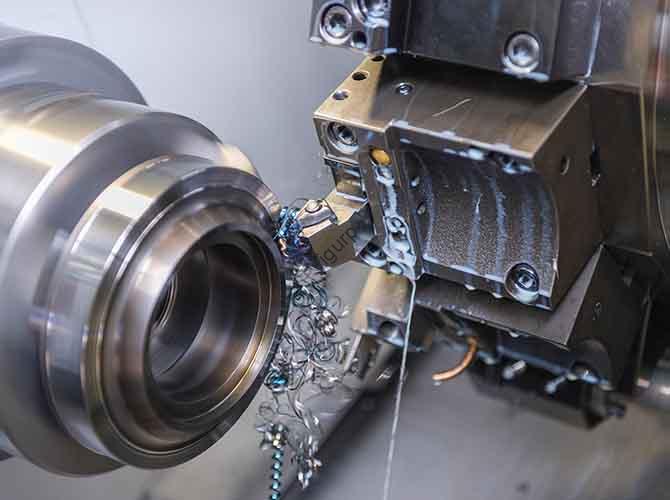
If you are a motorcycle enthusiast looking to upgrade your bike’s performance, durability, or appearance, you have probably heard of CNC motorcycle parts. But what exactly are they, and why are they worth investing in? Simply put, CNC motorcycle parts are components manufactured using Computer Numerical Control (CNC) machining. This is a precision manufacturing process where computer programs control tools like drills, lathes, and mills. This method ensures that every single part is made with extreme accuracy, consistency, and high quality. That is why they are a popular choice for riders who want more from their motorcycles than stock parts can offer. Whether you are rebuilding an engine, upgrading your brakes, or just customizing your bike’s look, CNC parts deliver benefits that go far beyond what traditional manufacturing methods can provide.
What Is CNC Machining and How Does It Make Better Motorcycle Parts?
To understand why CNC motorcycle parts stand out, it is important to first grasp how CNC machining works. Unlike manual manufacturing, where a worker operates tools by hand, CNC machining uses pre-programmed computer software to guide the machine tools. This software follows a digital design, usually a detailed 3D model of the part, and ensures that every cut, every drilled hole, and every shape is executed with microscopic precision. This is often within tolerances of just 0.001 inches.
For motorcycle parts, this precision is a complete game-changer. Let’s take a common component like a CNC motorcycle brake caliper as an example. A brake caliper needs to fit perfectly with the brake pads, the rotor, and the hydraulic lines to function safely and effectively. With CNC machining, the caliper’s mounting holes, piston chambers, and sealing surfaces are all created to exact specifications. This means no loose fits, no leaks, and consistent braking performance every single time you squeeze the lever. In contrast, a manually made caliper might have slight variations that could lead to uneven brake wear, reduced stopping power, or even serious safety risks.
Another key advantage of CNC machining is consistency. If you need two identical parts—say, a pair of custom CNC handlebar clamps—CNC machines can produce hundreds, or even thousands, of copies that are absolutely identical in every way. This is crucial for parts that need to work together, like engine components or suspension parts, where even tiny differences can cause unwanted vibration, noise, or premature failure.
What Are the Key Benefits of Upgrading to CNC Motorcycle Parts?
Switching to CNC motorcycle parts isn’t just about “upgrading for the sake of upgrading.” It is about solving real problems that riders face with stock or low-quality components. Here are the most impactful benefits you will notice.
Superior Durability for Long-Term Use
CNC parts are almost always made from high-grade materials like aluminum alloy, stainless steel, or even titanium. These materials are much stronger and more resistant to wear than the plastic or low-grade metal used in many stock parts. For example, a CNC motorcycle sprocket, which transfers power from the engine to the rear wheel, is typically machined from hardened aluminum or steel. Unlike a stock plastic sprocket, a CNC metal sprocket can handle the stress of constant acceleration and deceleration without cracking or wearing down quickly.
A real-world example: A friend of mine who rides off-road replaced his stock plastic chain guide with a CNC aluminum one. Before the upgrade, he had to replace the plastic guide every 2-3 months because it would break or wear down from dirt and rocks. After switching to the CNC part, he has had the same guide for over a year—saving him both time and money on constant replacements.
Improved Performance That You Can Feel
Precision manufacturing directly translates to better performance on the road. Let’s look at CNC motorcycle carburetor jets. These are small components that control the amount of fuel mixed with air in the engine. Stock jets are often mass-produced with looser tolerances, which can lead to an uneven fuel-air mixture. This might cause your bike to idle roughly, hesitate when you accelerate, or use more fuel than necessary.
CNC-machined jets, on the other hand, have exact hole sizes and incredibly smooth internal surfaces. This ensures a consistent fuel flow, leading to smoother idling, faster acceleration, and better fuel efficiency. A study by a leading parts manufacturer found that riders who upgraded to CNC carburetor jets saw a 5-8% improvement in fuel economy and a 10% increase in low-end torque—changes that are noticeable every time you ride.
Customization Options for a Unique Bike
One of the biggest draws of CNC parts is the ability to customize them. Unlike stock parts, which are designed to fit a wide range of bikes and often lack personality, CNC parts can be tailored to your specific style and needs. Whether you want CNC motorcycle footpegs with a unique grip pattern, a CNC fuel cap with your favorite logo, or even custom CNC engine covers in a bold color, CNC machining makes it possible.
Many manufacturers offer custom CNC parts services. You can work with a designer to create a 3D model of your ideal part. For instance, a rider who owns a vintage Honda CB750 might want to update the bike’s look with a CNC-machined headlight bracket that matches the bike’s classic lines but adds a modern, machined touch.
Reduced Maintenance and Repair Costs
While CNC parts might have a higher upfront cost than stock or cheap aftermarket parts, they actually save you money in the long run by reducing maintenance and repair needs. Let’s take CNC motorcycle wheel spacers as an example. These are small parts that keep the wheel perfectly aligned with the frame. Stock spacers are often made from soft metal, which can wear down over time from vibration. When spacers wear out, the wheel can become misaligned, leading to uneven tire wear, poor handling, and even damage to the frame or axle.
A CNC-machined wheel spacer, made from high-strength aluminum, is far more resistant to wear. It will last much longer, meaning you will not have to replace it as often. The precise fit also reduces the risk of misalignment, which prevents costly repairs to other components like tires or axles. Over time, these savings easily offset the initial cost.
What Are the Common Types of CNC Motorcycle Parts?
CNC machining is used to make a wide range of motorcycle parts, from small components to major engine parts. Here is a breakdown of the most popular types, what they do, and why you might want to upgrade them.
| Part Type | Function | Key Benefit of CNC Version |
|---|---|---|
| Brake Calipers | Squeeze the brake pads against the rotor to slow or stop the bike. | Precision fit reduces leaks. Better heat dissipation for consistent braking power. |
| Handlebar Clamps | Secure the handlebars to the fork tube. | A tighter grip prevents handlebar movement. Customizable designs for comfort and style. |
| Sprockets | Transfer power from the engine to the rear wheel via the chain. | Harder material resists wear. Precise tooth shape reduces chain stretch. |
| Carburetor Jets | Control the fuel flow into the engine’s combustion chamber. | Consistent fuel-air mixture for smoother performance and better fuel economy. |
| Footpegs | Provide a stable platform for the rider’s feet. | Custom grip patterns reduce slippage. Durable material withstands impacts. |
| Engine Covers | Protect internal engine components from dirt, debris, and damage. | Stronger than stock plastic. Can be customized for style without blocking heat dissipation. |
| Wheel Spacers | Keep the wheel perfectly aligned with the frame and axle. | Precise fit prevents misalignment. High-strength material resists wear and vibration. |
| Clutch Levers | Activate the clutch to change gears. | Lightweight design reduces hand fatigue. Adjustable reach for different hand sizes. |
How to Choose the Right CNC Motorcycle Parts for Your Bike?
With so many CNC parts available, it can be overwhelming to know which ones are right for your motorcycle. Follow these steps to make an informed decision.
- Step 1: Identify Your Goals. First, figure out what you want to improve. Are you looking for more performance? Greater durability for off-roading? Or a unique custom look? If performance is your top priority, focus on parts like carburetor jets or brake calipers. If durability is key, look for skid plates, chain guides, or wheel spacers. If style is most important, consider fuel caps, handlebar ends, or engine covers.
- Step 2: Check Compatibility. Not all CNC parts fit every bike. Always check the manufacturer’s compatibility list before buying. If you are unsure, reach out to the manufacturer or a trusted motorcycle mechanic.
- Step 3: Look for Quality Materials. The material directly affects performance and durability. Most high-quality CNC parts are made from 6061 or 7075 aluminum alloy, which is lightweight, strong, and corrosion-resistant; stainless steel, which is extremely durable and rust-resistant; or titanium, which is ultra-lightweight and very strong for high-performance parts.
- Step 4: Read Reviews and Ask for Recommendations. Before buying, read reviews from other riders. Look for feedback on fitment, performance, and how long the part lasts. You can also ask for recommendations in online motorcycle forums.
- Step 5: Compare Prices, But Don’t Sacrifice Quality. While it is tempting to go for the cheapest option, remember that very low-priced CNC parts may be made from lower-quality materials or have looser tolerances. A slightly more expensive part that lasts longer and performs better is a much better investment.
Conclusion
CNC motorcycle parts offer a significant upgrade over standard components for any rider who values precision, performance, and durability. The CNC machining process creates parts with incredible accuracy and consistency from high-grade materials like aluminum and stainless steel. This means you get parts that fit perfectly, last longer, and perform better. Whether you are looking to improve your bike’s stopping power with CNC brake calipers, boost engine efficiency with precision-machined jets, or just add a personal touch with custom-machined levers, CNC parts are a worthwhile investment that will enhance your riding experience for years to come.
FAQ
Are CNC motorcycle parts compatible with all bike models?
No, they are not one-size-fits-all. Compatibility depends entirely on your bike’s specific make, model, and year. You must always check the manufacturer’s compatibility list before purchasing.
Do CNC motorcycle parts require special tools to install?
It depends on the part. Simple parts like handlebar ends can be installed with basic tools. More complex parts like brake calipers may require specialized tools like a torque wrench and brake bleeding kit. If you are not confident in your skills, it is best to hire a professional mechanic.
Are CNC parts worth the higher cost compared to stock parts?
Yes, in almost all cases. While they have a higher upfront cost, they last much longer, perform better, and reduce the need for frequent replacements and maintenance. For example, a CNC sprocket can last 2-3 times longer than a stock plastic one, saving you money over time.
Can I customize CNC motorcycle parts to match my bike’s style?
Absolutely. One of the biggest advantages of CNC parts is the ability to customize them. Many manufacturers offer different colors, finishes, and even custom designs based on your own 3D model or idea.
Discuss Your Projects with Yigu Rapid Prototyping
Are you looking for high-quality, precision-machined parts for your motorcycle project? At Yigu Rapid Prototyping, we specialize in manufacturing custom CNC parts for riders and builders. Whether you need a single custom component or a full set of performance upgrades, our team can work with you to bring your design to life using the best materials and the latest CNC technology.
Contact Yigu Rapid Prototyping today to discuss your motorcycle project. Let’s build something great together.