
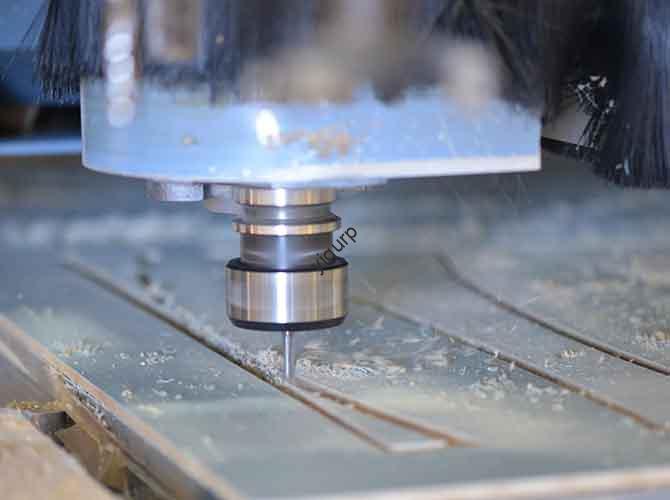
If you work with lathes, you’ve probably heard of lathe broaching tools. But do you know how they work, if they fit your project, or how to use them right? This guide breaks down everything simply. We’ll cover what lathe broaching tools are, their types, real-world uses, step-by-step usage, and how to pick the best one for your shop. By the end, you’ll know exactly how to use these tools to save time, cut costs, and get precise results.
What Is a Lathe Broaching Tool?
Let’s start with the basics. A lathe broaching tool is a multi-tooth cutting tool. It attaches to a standard lathe to cut precise shapes—inside or outside a workpiece. Unlike regular lathe tools that make small cuts, broaches remove material in one or a few passes. This saves time, especially for repetitive tasks.
The best part? You don’t need a separate broaching machine. A lathe broach turns your existing lathe into a multi-purpose tool. This is perfect for small to medium shops where space and budget are tight.
How Does It Work?
Lathe broaching is simple but needs precision. Here’s a step-by-step breakdown:
- Secure the Workpiece: Clamp the part (like a shaft or bore) in the lathe’s chuck. It must align perfectly to avoid wobbling.
- Mount the Broach: Attach the broach to the lathe’s tool post. For internal cuts (like keyways), insert it into the workpiece’s hole. For external cuts, position it against the part’s surface.
- Set Parameters: Adjust the lathe’s speed and feed rate. This depends on the material and tool type. For example, cut steel with an HSS broach at 50–150 RPM.
- Start Broaching: The lathe spins the workpiece. Feed the broach into the material. Each tooth is slightly larger than the last, so it removes small amounts of material.
- Finish the Cut: Retract the broach once it reaches the desired depth. Inspect the part with calipers to check accuracy.
Key Fact: Lathe broaches can hit tolerances as tight as ±0.01 mm (0.0004 inches). This is critical for automotive or aerospace parts where precision matters most.
What Are the Main Types?
Not all lathe broaches are the same. The type you choose depends on the shape you need to cut, your workpiece material, and your lathe’s capabilities. Below are the most common types, organized by use case.
Internal Lathe Broaches
These cut shapes inside a workpiece (like holes or bores). They’re the most widely used type.
| Tool Type | Key Features | Best For | Materials |
| Keyway Broaches | Straight teeth, rectangular shape; standard sizes (4mm x 2mm, 6mm x 3.5mm) | Cutting keyways in bores | Steel, aluminum, brass |
| Spline Broaches | Multiple teeth in splined patterns (6-spline, 10-spline) | Internal splines for high torque | Alloy steel, stainless steel |
| Hole Enlarging Broaches | Tapered teeth that increase in diameter | Sizing bores to precise diameters | Mild steel, aluminum |
Real Case: A small auto repair shop in Ohio used a 5mm x 3mm HSS keyway broach to fix a transmission shaft. The worn keyway was replaced in 15 minutes, saving the customer $200 vs. buying a new shaft.
External Lathe Broaches
These cut shapes on the outside of a workpiece (like shafts or pins). They’re less common but essential for specific tasks.
| Tool Type | Key Features | Best For | Materials |
| External Spline Broaches | Teeth on outer edge of tool holder | Cutting splines on shafts | Alloy steel, carbon steel |
| Groove Broaches | Narrow V-shaped or rectangular teeth | External grooves for snap rings | Stainless steel, brass |
Real Case: A bicycle parts maker in Oregon used external groove broaches. They cut 2mm-wide grooves for axle snap rings. Before broaches, manual grinding took 10 minutes per shaft. Now they do 10 shafts per hour—6x faster.
Tool Material Types
Broach material affects durability and performance. Choose based on your workpiece material.
| Material | Hardness (HRC) | Wear Resistance | Cost Range | Best For |
| HSS | 62–65 | Good | $50–$200 | General use, mild steel |
| Carbide-Tipped | 75–80 | Excellent | $150–$500 | Stainless steel, titanium |
| Cermet | 80–85 | Superior | $300–$800 | Superalloys (Inconel) |
Expert Insight: A 15-year aerospace machinist in Texas says: “HSS is best for small shops—it works for 90% of jobs. We only use carbide for stainless steel; it lasts 5x longer than HSS.”
Where Are They Used?
Lathe broaches are used across industries for fast, precise cuts. Below are the top applications with real-world results.
Automotive Industry
Auto shops rely on broaches for parts like shafts and gears. Tight tolerances keep cars safe and reliable.
- Transmission Shafts: A Michigan auto parts supplier used HSS keyway broaches. They cut 6mm x 3.5mm keyways in steel shafts. Time per shaft dropped from 8 minutes to 2—400% more production.
- Drive Shafts: An Indiana truck maker used carbide spline broaches. Tolerances hit ±0.005 mm. Warranty claims for drive shafts dropped from 5% to 0.
Aerospace Industry
Aerospace needs precision and strength. Broaches cut parts from tough materials like titanium.
- Engine Valves: A California jet parts maker used cermet broaches to size titanium bores. Surface finish hit Ra 0.8 μm (aerospace standard). Tool life was 10x longer than HSS—70% lower tool costs.
- Landing Gear: A Washington aircraft maker used external groove broaches. They cut 1.5mm grooves in stainless steel pins. Broaching saved 15 hours per week on production.
Small Shops & Fabrication
Small shops use broaches to avoid expensive machines and add value to custom parts.
- Agricultural Repair: An Iowa farm shop used a portable lathe and 7mm keyway broach. They fixed a tractor axle shaft for $1,200 less than a new shaft.
- Robotics Parts: A Massachusetts robotics company used external spline broaches. They made 50 aluminum shafts per week—up from 10 with manual methods.
How to Use Them Safely?
Using a lathe broach correctly ensures accuracy, tool life, and safety. Follow these steps for success.
Step 1: Prepare Workpiece & Lathe
- Inspect the workpiece for cracks or dents—these cause binding.
- Clamp it in the chuck. Use a dial indicator to align—runout ≤ 0.01 mm.
- Set spindle speed (use the chart below for guidance).
| Material | Tool Type | Spindle Speed (RPM) | Feed Rate (mm/rev) |
| Mild Steel | HSS | 80–120 | 0.05–0.1 |
| Stainless Steel | Carbide-Tipped | 40–80 | 0.03–0.08 |
| Aluminum | HSS | 150–250 | 0.1–0.2 |
Step 2: Mount the Broach
- Use a rigid tool holder that fits the broach’s shank size.
- Align the broach with the lathe’s axis (use a square for accuracy).
- Apply cutting fluid—this reduces friction and cools the tool. A Pennsylvania machinist says: “Skipping fluid made HSS broaches last 10 cuts. With fluid, they last 50.”
Step 3: Make the Cut
- Start slow. Feed the broach steadily—don’t force it.
- Watch for trouble: excessive sparking, odd noises, or vibration. Stop if you see these.
- Retract the broach slowly once done.
Step 4: Inspect & Finish
- Measure the cut with calipers. Check tolerance (e.g., 5mm keyway = 5mm ±0.01 mm).
- Remove burrs with a file or 400-grit sandpaper.
Critical Safety Tips
- Wear safety glasses, gloves, and hearing protection.
- Never touch the broach or workpiece while the lathe runs.
- Ensure the workpiece and broach are tight—loose parts can fly.
- Always use cutting fluid—dry cutting damages tools.
How to Pick the Right One?
Choosing the wrong broach leads to poor results and wasted money. Follow these factors to select the best tool.
Factor 1: Match the Feature
- Keyway: Pick a standard size (e.g., 4mm x 2mm). Ensure the bore fits the broach’s starting tooth.
- Spline: Choose a broach that matches spline count (6-spline, 10-spline) and diameter.
- Groove: Select a broach with the right width (1mm, 2mm) and depth.
Factor 2: Workpiece Material
- Soft materials (aluminum, mild steel): Use HSS broaches (affordable, works well).
- Hard materials (stainless steel): Use carbide-tipped broaches (resists wear).
- Superalloys (titanium): Use cermet broaches (heat-resistant).
Expert Tip: A 20-year tool supplier in Illinois says: “Test on scrap first. HSS dulls fast on hardened steel; carbide chips on soft aluminum at high speeds.”
Factor 3: Lathe Compatibility
- Spindle Capacity: Ensure the lathe can handle the workpiece size.
- Tool Post: Choose a broach with a shank that fits your post.
- Power: HSS needs 0.5 kW (0.7 hp); carbide needs 1 kW (1.3 hp). A Colorado hobbyist learned this—their 0.3 kW lathe stalled with carbide, damaging the tool.
Factor 4: Tool Quality
- Check for sharp teeth and smooth finish (Ra ≤ 0.4 μm).
- Ask for material certification (e.g., HSS meets AISI M2 standards).
- Choose suppliers with 4.5+ star reviews. A Florida shop switched suppliers and saw broach life jump from 10 to 50 cuts.
How to Maintain Them?
Proper maintenance extends broach life. Follow these tips to save money on replacements.
Daily Maintenance
- Clean the broach after use—wipe off fluid and chips with a cloth or brush.
- Inspect for nicks or dullness before each use.
- Store in a dry, dedicated case. A New York machinist uses a climate-controlled cabinet—HSS broaches last 30% longer.
Sharpening Guidelines
- HSS Broaches: Sharpen with a bench grinder (60-grit for rough, 120-grit for finish). Dip in water to avoid overheating.
- Carbide-Tipped Broaches: Use a diamond wheel or outsource to a service ($20–$50 per tool).
- Sharpen HSS every 50–100 cuts; carbide every 200–500 cuts.
Yigu Technology’s Perspective
At Yigu Technology, we see lathe broaches as a game-changer for small to medium shops. They let you add broaching capabilities without buying a separate machine—saving space and money. For general projects, we recommend HSS broaches—they balance cost and performance. For automotive or aerospace clients, carbide-tipped broaches are better for hard materials. We’ve helped dozens of shops boost efficiency by 30–50% with the right broach choice. Proper maintenance is key—even the best tool underperforms if not cared for.
Conclusion
Lathe broaching tools are simple, versatile, and cost-effective. They turn your standard lathe into a precision cutting machine. By understanding their types, how they work, and how to choose the right one, you can save time, reduce waste, and get consistent results. Whether you’re a small repair shop or a production facility, the right lathe broach will help you tackle tasks faster and more accurately. Follow the steps in this guide, and you’ll make the most of this valuable tool.
FAQ
Can I use a lathe broach on a benchtop lathe? Yes, if the lathe has at least 0.5 kW (0.7 hp). Use small HSS broaches for soft materials. Avoid carbide on low-power lathes—they stall the spindle.
How long do lathe broaches last? HSS: 50–100 cuts on mild steel; 100–200 on aluminum. Carbide: 200–500 cuts on stainless steel. Cermet: 1,000–2,000 cuts on superalloys. Good maintenance adds 30–50% to lifespan.
What’s the difference between a lathe broach and a standalone broaching machine? Lathe broaches are small, affordable, and fit standard lathes (good for small batches). Standalone machines are large, expensive, and for high-volume production (1,000+ parts).
Can I cut external splines with a lathe broach? Yes—use an external spline broach. Ensure it matches your shaft’s spline count and diameter, and your lathe can handle the shaft size.
Do I need cutting fluid for lathe broaching? Yes. Fluid reduces friction, cools the tool, and extends life. Dry cutting leads to premature wear and tool breakage.
Discuss Your Projects with Yigu Rapid Prototyping
At Yigu Rapid Prototyping, we help you select and source the perfect lathe broaching tool for your project. With 10+ years of experience in machining, we match you with tools that fit your workpiece, lathe, and budget. Whether you need HSS for general use or carbide for hard materials, we’ll guide you every step. Contact us today to discuss your project—we’ll help you save time and get precise results.