
If you need precision parts for your business, you’re probably searching for a machining inc. But how do you choose one that gets quality right, meets deadlines, and fits your budget? This guide breaks it all down simply. We’ll cover what machining inc.s do, how to match them to your project, critical factors to vet, and how to work with them smoothly. By the end, you’ll feel confident picking a partner that delivers—no costly mistakes, no missed deadlines.
What Is a Machining Inc.?
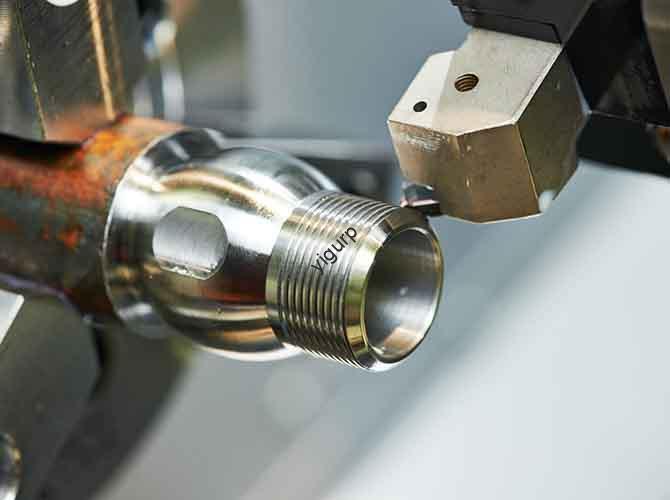
Let’s start with the basics. A machining inc. (short for machining incorporated) is a manufacturing company. It uses precision tools to shape raw materials into custom or standard parts.
Unlike general shops, they focus only on machining. This includes CNC milling, CNC turning, grinding, EDM, and laser cutting. Their work matters most for industries where tiny errors ruin products.
For example, a medical machining inc. makes surgical parts that need to align within 0.001 inches. An automotive one creates engine parts that handle high heat. Not all machining inc.s are the same, though. Some make thousands of identical parts. Others focus on small batches or prototypes. Knowing this helps you narrow your options fast.
What Types Are There?
Choosing the right machining inc. starts with matching their focus to your project. Below are the most common types, with real examples to guide you.
| Shop Type | Specialization | Ideal For | Example |
| High-Volume Shops | Automated CNC lines for mass production; cost-efficient per unit | 10,000+ parts/month for auto/electronics | 50k brake caliper brackets monthly |
| Low-Volume/Custom Shops | Small batches (1–100 parts) or prototypes; flexible for changes | Startups testing new products | 20 wearable tech prototypes |
| Industry-Specific Shops | Certified for regulated industries (ISO 13485, AS9100) | Medical/aerospace projects | Titanium surgical screws |
| Micro-Machining Shops | Ultra-small parts (under 1mm) with extreme accuracy | Electronics/medical devices | Smartwatch micro-connectors |
Real Case: I worked with an aerospace client who hired a general machining inc. for a prototype engine part. The shop lacked AS9100 certification. They used the wrong alloy, and the part failed stress tests. We switched to an industry-specific shop. The part passed all inspections on the first try. Lesson: Don’t skip specialization for regulated projects.
What to Check Before Hiring?
Once you’ve narrowed the type, use these 7 critical factors to vet shops. These come from 10+ years of matching clients with the right manufacturers.
1. Do They Have the Right Gear?
First, ask: Can they actually make your part? Don’t assume. For complex 3D parts, do they have a 5-axis CNC mill? For tough materials like Inconel, do they have experience machining it?
Pro Tip: Ask for a capability sheet or a virtual tour. Good shops will show off their equipment and explain their process.
2. How Do They Ensure Quality?
Precision is non-negotiable. A reliable shop will have a formal quality control (QC) process. This includes:
- Tools like calipers and CMMs to check dimensions
- Certifications (ISO 9001, AS9100, ISO 13485)
- Batch testing to catch defects early
Data Point: A 2024 Precision Machining Association survey found shops with formal QC have a 37% lower defect rate. Always ask for QC docs—hesitation is a red flag.
3. Can They Meet Your Deadline?
Delays kill projects. Align on lead times upfront. Ask about:
- Production time (e.g., 2 weeks for 500 parts)
- Setup time (1–3 weeks for custom parts)
- Contingencies for delays (material shortages, etc.)
Example: A medical client needed 100 catheter parts for a trial. The first shop missed a 2-week deadline by 10 days. The second shop gave a 3-week lead time with a rush option. They delivered on time, avoiding a costly trial delay.
4. Is Pricing Transparent?
Machining costs range from $50 to $500+ per part. A good shop gives a detailed quote with breakdowns (material, labor, setup, QC). Watch for hidden fees:
- Custom tooling charges
- Rush fees (should be clear upfront)
- Rework fees (shops should cover their mistakes)
Rule of Thumb: Get 3–4 quotes. A 20% lower price may mean cutting corners on material or QC.
5. Do They Know Your Material?
Different materials need different techniques. Aluminum warps easily. Stainless steel needs high-speed tools. Titanium is brittle.
A shop with material expertise will recommend the right grade and adjust their process. If they say “we can machine anything,” ask for examples—plastic shops often struggle with titanium.
6. Will They Communicate Well?
Poor communication is a top frustration. Look for shops that:
- Assign a dedicated project manager
- Send regular updates (e.g., “Material arrived today”)
- Ask questions early (e.g., “Can we adjust this tolerance?”)
Personal Experience: I worked with a shop that sent daily photos of parts. We caught a design flaw early, saving thousands in rework.
7. What Do Clients Say?
Check references and reviews. Ask for 2–3 clients with similar projects. Ask references:
- Did they deliver on time and budget?
- Were parts up to standard?
- How did they handle problems?
Online reviews (Google, Practical Machinist) also help. A few bad reviews are okay—patterns of complaints are not.
How to Work With Them Smoothly?
Choosing the right shop is half the battle. Here’s how to collaborate well and avoid mistakes.
1. Share Clear Design Files
Unclear files cause delays. Always provide:
- 2D drawings with detailed tolerances (e.g., ±0.002 inches)
- 3D CAD models (reduces misinterpretation)
- Notes on critical features (e.g., “Smooth surface for sealing”)
Most shops have engineers who can help refine your design if needed.
2. Align on Expectations
Sign a contract with:
- Final design files (attached)
- Lead time and milestones
- Quality requirements (e.g., CMM inspection)
- Payment terms (e.g., 50% upfront)
This protects both you and the shop if there’s a dispute.
3. Approve a Prototype First
For custom parts, ask for a prototype. It lets you:
- Check fit with other components
- Test performance
- Make design changes cheaply
Prototypes cost extra but save money in the long run.
4. Give Prompt Feedback
Review samples or updates within 1–2 days. Be specific: “The hole is 0.003 inches too small” instead of “This is wrong.”
Yigu Technology’s Perspective
At Yigu Technology, we’ve worked with dozens of machining inc.s. The best partnerships focus on alignment, not just cost. Clients who pick the lowest price often face rework or delays—costing more later.
We recommend three things: match the shop’s capabilities to your project, verify their QC with data, and choose a team that communicates proactively. The right partner acts as an extension of your team—helping you optimize designs, cut costs, and meet deadlines.
Conclusion
Picking the right machining inc. doesn’t have to be hard. Start by matching their type to your project. Then vet them with the 7 factors above. Finally, collaborate clearly to keep the project on track.
The best machining inc. isn’t just a vendor—they’re a partner who understands your goals. With the right choice, you’ll get quality parts on time, stay within budget, and avoid costly headaches.
FAQ
What’s the difference between a machining inc. and a general shop? A machining inc. specializes in precision machining (CNC, grinding, etc.). A general shop may offer machining plus welding or assembly but lacks specialized expertise for high-precision work.
How long do machining inc.s take to make parts? Prototypes (1–10 parts): 1–2 weeks. High-volume (10k+ parts): 3–6 weeks. Rush options cost 20–50% extra.
What materials can they work with? Most handle metals (aluminum, steel, titanium), plastics (ABS, PEEK), and composites. Some specialize in exotic materials like Inconel—ask upfront.
Do I need a CAD model? Highly recommended. 3D CAD models reduce mistakes and speed up programming. Many shops offer design help if you don’t have one.
What if they deliver defective parts? Check your contract—reputable shops rework or remake defective parts for free. Ask for a root-cause analysis to ensure the issue is fixed.
Discuss Your Projects with Yigu Rapid Prototyping
At Yigu Rapid Prototyping, we help you find the perfect machining inc. for your project. With 10+ years in machining, we match you to shops that fit your material, volume, and budget. We’ll vet their capabilities, QC, and communication so you can focus on your business. Contact us today to discuss your project—we’ll help you get quality parts on time.