
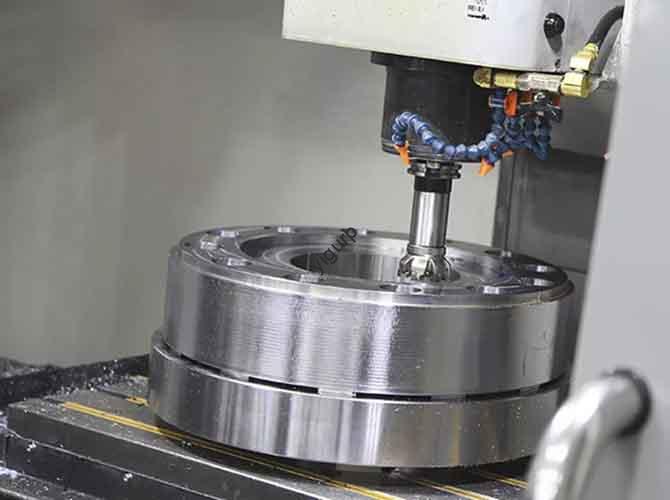
In the fast manufacturing world, quality and speed are everything. If you make molds or electronics, you know that tiny errors lead to big costs. Electrode Processing CNC is the tool that changes this game. This technology uses computer systems to build electrodes with extreme accuracy. It helps sectors like aerospace and mold making stay ahead. This guide explains how it works, why it is vital, and how it solves common shop floor problems.
What Is Electrode Processing CNC?
At its heart, this process uses Computer Numerical Control (CNC) to shape materials. Usually, shops use copper or graphite. Unlike old manual lathes, a computer guides the cutting tool. This removes human error and ensures every part is a perfect match to the 3D design.
Automated Control for High Precision
Manual work depends on the skill of the person. CNC depends on pre-programmed code. This shift allows for tighter tolerances and faster output. Below is a comparison of how CNC stacks up against manual methods.
| Feature | Electrode Processing CNC | Traditional Manual Machining |
| Precision | ±0.001mm accuracy | ±0.01mm (varies by user) |
| Efficiency | 3x faster (runs 24/7) | Slow (needs breaks) |
| Consistency | 99% uniform output | 70-80% (varies by shift) |
| Complexity | Handles 3D designs | Best for simple shapes |
How Does the CNC Workflow Work?
Implementing this tech requires a clear plan. It starts in a digital space and ends with a physical electrode. Following a set path ensures your quality control stays high.
From Digital Design to Finished Part
- Design and Code: You create a 3D model in CAD software. Then, you turn it into G-code. This code is the language the machine reads.
- Material Setup: You fix a block of graphite or copper to the table. You then calibrate the end mills.
- Automated Cutting: The machine starts. It spins the tool at up to 20,000 RPM. It follows the path to carve the exact shape.
- Cleaning: After cutting, use ultrasonic cleaners. This removes dust and debris from the surface.
- Final Check: Use a CMM machine to verify the size. In mold making, even a tiny error can ruin a whole batch.
Expert Case Study: One of our clients used manual tools for phone case molds. Their defect rate was 15%. After switching to Electrode Processing CNC, their defect rate dropped to less than 2%.
Where Does CNC Machining Excel?
This technology is now a standard in many fields. It solves the problem of how to make micro-scale parts without breaking them.
Essential Industries for High Accuracy
- Mold Manufacturing: Molds for plastic parts need deep, detailed cavities. CNC electrodes ensure these cavities are 100% consistent.
- Electronics: Semiconductor parts need 0.1mm grooves. These are impossible to cut by hand. CNC handles them with ease.
- Aerospace: Parts made of titanium need high strength. CNC keeps these large parts within tight tolerances to ensure flight safety.
What Are the Latest CNC Innovations?
Technology never stops moving. New upgrades are making Electrode Processing CNC even smarter and more efficient.
Smart AI and 5-Axis Systems
New controllers, like the Fanuc 30i-B, now use AI. They can find errors while the machine is running. If the metal density changes, the AI adjusts the path. This cuts material waste by 25%.
Also, 5-axis machining is a huge leap. A standard machine moves in three directions. A 5-axis system rotates the part too. This allows you to make curved electrodes for medical tools in one single setup. This saves hours of manual repositioning.
Why Partner with Yigu Technology?
At Yigu Technology, we see CNC as a way to innovate. We help our clients reach 35% faster production times. Our systems focus on being easy to use. We want even small shops to have high-end precision. We offer full support to make sure your team feels confident with the new gear.
Conclusion
Electrode Processing CNC is more than just a fancy tool. It is the key to higher precision and better efficiency in modern shops. By using automated code and smart AI, you can lower costs and raise quality. Whether you work in electronics or aerospace, this tech is your path to better results.
FAQ
What materials work best with Electrode Processing CNC?
Most shops use copper for its conductivity or graphite for fast cutting. For aerospace, you might use aluminum or titanium.
How much does an Electrode Processing CNC machine cost?
A basic 3-axis machine starts around $50,000. Advanced 5-axis models can cost $200,000 or more depending on the features.
Do I need a PhD to run these machines?
No. Most people can learn the basics in 2 to 4 weeks. We provide on-site training to help your team get started quickly.
Discuss Your Projects with Yigu Rapid Prototyping
Are you ready to upgrade your manufacturing? At Yigu Technology, we specialize in high-precision CNC solutions. We can help you pick the right machine and materials for your specific needs. Would you like me to analyze your current project to see how much time CNC could save you?