
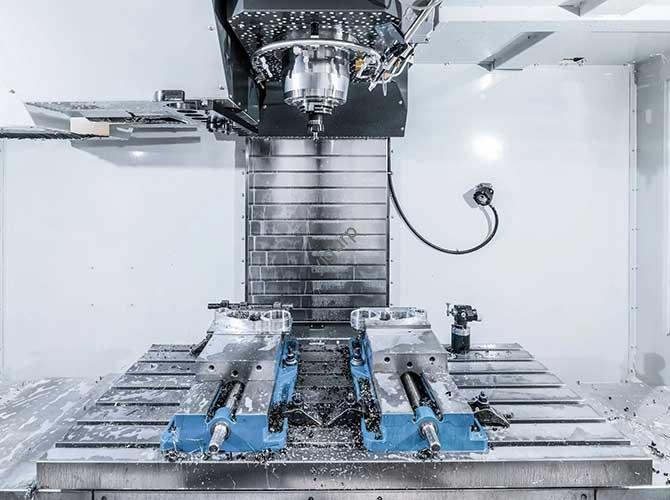
When it comes to creating custom plastic parts that need ultra-precise cuts, intricate shapes, and consistent quality, manufacturers and designers often face a tough question: which manufacturing process delivers the best results? Micro laser cutting has emerged as a top contender, especially for industries where even the smallest deviation can ruin a product—think medical devices, aerospace parts, or tiny electronics components. Unlike traditional mechanical cutting, which uses physical tools that can scratch, deform, or contaminate delicate plastics, micro laser cutting uses focused thermal energy to make clean, accurate cuts at the micron level. In this article, we’ll break down everything you need to know about micro laser cutting for custom plastic components: how it works, its key benefits, which plastics it works with, where it’s used, how to ensure quality, and how it stacks up against other precision methods. By the end, you’ll have a clear answer to whether it’s the right choice for your project.
What Is Micro Laser Cutting?
Micro laser cutting is a non-contact precision manufacturing process that uses a concentrated laser beam to cut, etch, or drill plastic materials with extreme accuracy—often down to the micron scale (1 micron = 0.001 millimeters). Unlike mechanical cutting tools (like blades or mills) that touch the material, the laser beam uses thermal energy to either vaporize or melt the plastic, leaving behind clean edges and minimal waste. The laser beam itself is tiny, usually between 10 and 100 microns in diameter—about the size of a human hair or smaller. This small beam size is what allows it to create intricate, detailed shapes that would be impossible (or way too expensive) with traditional methods.
A real-world example helps illustrate this: A medical device company in California needed to create microfluidic chips for diagnostic tests that could handle tiny amounts of fluid (as little as 10 microliters). These chips required channels as narrow as 50 microns—thinner than a sheet of paper—to ensure consistent fluid flow and accurate test results. Mechanical cutting couldn’t reach that level of precision without damaging the plastic, and it would have left rough edges that trapped fluid. Micro laser cutting solved the problem: it created smooth, uniform channels with zero burrs, and the non-contact process meant no contamination (critical for medical devices that touch bodily fluids). The result? A reliable diagnostic chip that’s now used in clinics across the U.S.
Another key point: Micro laser cutting isn’t just for cutting— it can also etch tiny logos, labels, or reference marks on plastic parts, which is useful for tracking components in regulated industries like aerospace or medical manufacturing. And because there’s no tool wear (since the laser doesn’t touch the material), the process delivers consistent results across thousands of parts.
What Are Its Core Advantages?
Micro laser cutting stands out for several reasons, especially when precision and consistency are non-negotiable. Below are its most important benefits, backed by real data and examples that show why it’s a top choice for custom plastic components.
Micron-Level Tolerance?
Tolerance refers to how close a finished part is to its intended design— and micro laser cutting excels here. It can achieve tolerances as tight as ±0.001 inches (25 microns), which is far better than traditional mechanical cutting (which typically ranges from ±0.005 to ±0.010 inches). For industries where even a tiny deviation can cause failure, this precision is game-changing.
Take a wearable electronics manufacturer in Texas that makes plastic connectors for smartwatches. The connectors needed to fit into ultra-slim designs, with a tolerance requirement of ±0.002 inches. Before switching to micro laser cutting, they used mechanical cutting, which resulted in 15% of parts being scrapped because they didn’t fit. After switching, their scrap rate dropped to 2%, and assembly failures decreased by 35%. Why? Because the laser’s precision ensured every connector was identical, so they fit perfectly with the watch’s other components. The savings from reduced scrap and fewer assembly issues paid for the laser equipment in just 8 months.
Clean, Burr-Free Edges?
Burrs— tiny pieces of plastic left behind after cutting— are a major headache for manufacturers. They require extra post-processing (like sanding or trimming) to remove, which adds time and cost to production. Micro laser cutting eliminates this problem because its thermal cutting action melts or vaporizes the plastic, leaving behind smooth, burr-free edges that rarely need post-processing.
A medical device client in Florida that makes polycarbonate surgical guides found this out firsthand. Before micro laser cutting, they spent $0.75 per unit on a deburring step to remove burrs from mechanical cutting. By switching to micro laser cutting, they eliminated that step entirely, cutting their total production costs by 12% annually. For a company that produces 100,000 surgical guides per year, that’s a savings of $90,000— money that could be reinvested in R&D or lower prices for customers.
Non-Contact Processing?
Since the laser doesn’t touch the plastic, there’s no tool wear, no material deformation, and no risk of contamination. This is critical for delicate plastics (like those used in medical devices) or parts that need to be sterile.
In aerospace applications, for example, PEEK plastic components are used because they’re lightweight and heat-resistant. But PEEK is also very delicate— mechanical cutting can scratch the surface or create stress cracks, which weaken the part. An aerospace contractor in Washington used micro laser cutting for PEEK avionics components and saw their scrap rate drop from 8% (with mechanical cutting) to less than 1%. The non-contact process ensured the parts remained scratch-free and strong, meeting the strict safety standards for aerospace equipment.
Complex Geometry Possible?
Traditional mechanical tools have limits— they can’t cut extremely small slots, sharp angles, or nested features without damaging the material. Micro laser cutting’s tiny beam size allows it to create these complex geometries with ease, opening up new design possibilities for custom plastic parts.
A consumer electronics brand in California used this to their advantage when designing a housing for wireless earbuds. They needed to fit 20% more internal components (like batteries and speakers) into the same small footprint. Using micro laser cutting, they created an ABS plastic housing with tiny micro-slots, sharp angles, and nested features that mechanical cutting couldn’t replicate. The result? A slimmer earbud that still had all the necessary components— and it became one of their best-selling products.
High Production Flexibility?
Micro laser cutting is incredibly flexible— it works just as well for small-batch prototyping (1–100 parts) as it does for high-volume production (10,000+ parts). Unlike mechanical cutting, which requires custom tooling for each new part (taking days or weeks to set up), micro laser cutting can switch between designs in minutes. This makes it ideal for companies that need to iterate on prototypes quickly or produce custom parts in small batches.
A contract manufacturer in Illinois specialized in custom plastic components for various industries. Before micro laser cutting, their lead time for new prototypes was 7 days. After switching, they reduced lead times to 48 hours— a 70% reduction. This allowed their clients to test designs faster, make changes sooner, and get their products to market quicker. For high-volume runs, they added automated loading and unloading systems, which further reduced cycle times and increased efficiency.
Which Plastics Work With It?
Not all plastics are the same— and not all work well with micro laser cutting. A plastic’s compatibility depends on its properties: melting point, transparency, chemical composition, and thickness all affect how well the laser can cut it. Below is a breakdown of the most common plastics used in micro laser cutting, their applications, performance, and key considerations to keep in mind. We’ve included a table for easy reference, so you can quickly see which plastic is right for your project.
| Plastic Material | Key Applications | Laser Cutting Performance | Critical Considerations |
|---|---|---|---|
| ABS (Acrylonitrile Butadiene Styrene) | Electronics housings, automotive interior parts, toys | Excellent— clean edges, minimal discoloration | Use low laser power to avoid warping; ideal for high-volume runs |
| Polycarbonate (PC) | Medical devices, aerospace components, safety shields | Very Good— high precision, impact-resistant cuts | Transparent grades may need adjusted beam focus; sterile-compatible |
| PEEK (Polyether Ether Ketone) | Implantable medical devices, high-temperature aerospace parts | Good— biocompatible, chemical-resistant edges | Requires specialized CO₂ or fiber lasers; use inert gas to prevent oxidation |
| PMMA (Acrylic) | Microfluidic chips, optical components, displays | Excellent— clear, polished edges; no post-processing needed | Avoid high power to prevent charring; great for 50-micron channels |
| PE & PP (Polyethylene, Polypropylene) | Automotive fluid lines, medical packaging, containers | Fair— needs precise power control to avoid melting | Use fiber lasers for thin gauges (0.1–1.0 mm); prone to roughness if parameters are off |
A critical warning: Some plastics are not compatible with micro laser cutting. Fluoropolymers like PTFE (Teflon), for example, release toxic fumes when heated by the laser, which is dangerous for workers and damages equipment. Other plastics, like PVC, can also release harmful gases, so they’re best avoided. Always consult a material specialist before choosing a plastic for your micro laser cutting project— they can help you select a material that balances cut quality, performance, and safety.
Another tip: Thickness matters. Most micro laser cutting systems work best with plastic sheets between 0.05 mm and 3.0 mm thick. Thicker plastics (above 3.0 mm) can be cut, but they may require slower speeds and higher power, which can lead to warping or discoloration. Thinner plastics (below 0.05 mm) are possible but require extra care to avoid burning or tearing.
Where Is It Most Used?
Micro laser cutting is used across a wide range of industries, but it’s most valuable in sectors where precision, sterility, and miniaturization are critical. Below are the top industries using micro laser cutting for custom plastic components, with detailed examples and data that show its impact.
Medical Device Manufacturing?
The medical industry is one of the biggest users of micro laser cutting— and for good reason. Medical devices require biocompatible materials, sterile components, and ultra-tight tolerances, all of which micro laser cutting delivers. From implantable parts to diagnostic tools, micro laser cutting is used to create parts that save lives and improve patient care.
One example is a leading orthopedic device company in Minnesota that makes PEEK spinal spacers. These spacers are inserted between vertebrae to treat spinal stenosis, and they need a tolerance of ±0.003 inches to ensure a proper fit. If the spacer is too big or too small, it can cause pain, infection, or even require additional surgery. Using micro laser cutting, the company produces spacers with consistent tolerances, and the non-contact process ensures the parts are sterile and free of contaminants. Since switching to micro laser cutting, their patient complication rate has dropped by 28%.
Another example: During the COVID-19 pandemic, a diagnostic equipment manufacturer in Massachusetts needed to quickly produce microfluidic channels in PMMA for test kits. These channels had to be 50 microns wide to handle the tiny amounts of saliva or blood used in the tests. Micro laser cutting allowed them to scale production quickly— they went from making 10,000 test kits per week to 100,000 per week— and the precision of the cuts ensured accurate test results.
Data point: The global medical micro-manufacturing market is projected to reach $18.7 billion by 2028, with laser cutting accounting for 32% of all processes (Grand View Research). This growth is driven by the increasing demand for miniaturized medical devices and the need for more precise, sterile components.
Aerospace and Defense?
In aerospace and defense, weight reduction and durability are paramount. Every gram saved on a plane or missile can reduce fuel costs or increase range, and components must withstand extreme temperatures, pressure, and vibration. Micro laser cutting helps achieve both goals by creating lightweight, intricate plastic components without compromising strength.
A major aerospace contractor in Seattle uses micro laser cutting to create micro-slots in polycarbonate avionics covers. These slots improve heat dissipation (critical for electronics on planes) while maintaining the cover’s structural integrity. Before micro laser cutting, the covers were made with mechanical cutting, which left rough edges that trapped heat. The new laser-cut covers reduce heat buildup by 40%, extending the life of the avionics by 30%.
For defense applications, micro laser cutting is used to produce precision plastic parts for missile guidance systems. These parts require tolerances of ±0.002 inches to ensure accurate targeting— even a tiny deviation could cause the missile to miss its target. A defense contractor in Virginia uses micro laser cutting for these parts, and they’ve seen a 99.8% success rate in meeting tolerance requirements.
Industry trend: Aerospace manufacturers are increasingly switching to fiber lasers for micro cutting. Fiber lasers are faster (20% faster than traditional CO₂ lasers for plastic materials) and more energy-efficient, which reduces production costs and carbon footprints. They also deliver better cut quality for thin plastics, which are commonly used in modern aircraft.
Electronics and Consumer Devices?
The miniaturization of electronics— think smartphones, smartwatches, wireless earbuds, and foldable devices— has driven massive demand for micro laser cutting. These devices require tiny, precise plastic components that fit into ultra-slim designs, and micro laser cutting is the only process that can deliver the precision and detail needed.
Apple, for example, uses micro laser cutting to create ABS plastic brackets for iPhone cameras. These brackets are just 0.1 mm thick and have tiny slots and holes that hold the camera lens in place. Mechanical cutting couldn’t create these brackets without damaging the plastic, but micro laser cutting delivers clean, consistent results across millions of parts.
A wireless headphone brand in Oregon uses micro laser cutting to create micro-perforations in polycarbonate ear cups. These perforations balance sound quality and airflow— too big, and the sound is distorted; too small, and the ear cups get too hot. Using micro laser cutting, they created perforations that are 100 microns in diameter, perfect for their design. The result? A more comfortable headphone with better sound quality, which helped them capture 15% of the market share.
Data point: 78% of consumer electronics manufacturers cite “precision miniaturization” as the top reason for adopting micro laser cutting (Electronics Manufacturing Insights). As foldable devices become more popular, this demand will only grow— foldable phone screens use thin, flexible plastics that require micro laser cutting to create precise folds and edges.
Automotive Industry?
The automotive industry is using micro laser cutting to create lighter, more efficient, and more functional plastic components— especially for electric vehicles (EVs). EVs need to be lightweight to maximize battery range, and micro laser cutting helps reduce weight by creating intricate, thin-walled plastic parts that replace heavier metal components.
A global automaker in Michigan uses micro laser cutting to create micro-channels in PP plastic coolant lines for EV batteries. These channels optimize fluid flow, keeping the battery cool and extending its life. The micro-channels are 0.75 mm wide, and they reduce the weight of the coolant lines by 15% compared to metal alternatives. This weight reduction translates to a 5-mile increase in battery range— a big selling point for EV buyers.
Another use case: micro-lasered ABS plastic sensors for advanced driver-assistance systems (ADAS). These sensors detect obstacles, control cruise control, and assist with parking, and they require tolerances of ±0.004 inches to ensure accurate readings. A automotive supplier in Ohio uses micro laser cutting for these sensors, and they’ve reduced their defect rate from 10% to 1.5%.
Trend: As EVs become more common, micro laser cutting will be used more for battery components. Plastic separators with micro-slots are critical for preventing battery overheating, and micro laser cutting is the only process that can create these slots with the required precision.
How Does It Compare to Alternatives?
Micro laser cutting is great, but it’s not the only precision manufacturing process. Depending on your project’s needs (material, tolerance, volume, cost), another method might be better. Below is a detailed comparison of micro laser cutting to four common alternatives: micro milling, waterjet cutting, EDM, and mechanical cutting. We’ve included a table to help you quickly compare the key factors.
| Process | Tolerance Range | Best for Plastics? | Cost (Per Part, 10k Run) | Key Limitations |
|---|---|---|---|---|
| Micro Laser Cutting | ±0.001–±0.005 inches | Yes— clean edges, non-contact | $0.75–$3.50 | Higher upfront equipment cost; incompatible with some plastics (e.g., PTFE) |
| Micro Milling | ±0.002–±0.008 inches | Fair— tool wear causes burrs | $1.20–$4.00 | Slow for complex geometries; risk of material deformation |
| Waterjet Cutting | ±0.003–±0.010 inches | No— water damage, rough edges | $1.50–$5.00 | Requires drying; not suitable for micro-scale features |
| EDM (Electrical Discharge Machining) | ±0.0005–±0.003 inches | No— only conductive materials | $2.00–$6.00 | Slow processing; high tooling costs |
| Mechanical Cutting | ±0.005–±0.010 inches | No— burrs, material damage | $0.50–$2.00 | Poor precision; high scrap rate; tool wear |
Key takeaways from the table: For plastic components requiring micron-level precision and complex shapes, micro laser cutting is the best choice— it’s faster than micro milling and EDM, has cleaner edges than waterjet and mechanical cutting, and works with most plastics.EDM has the tightest tolerances, but it only works with conductive materials— so it’s useless for non-conductive plastics like ABS, PC, or PMMA.Waterjet cutting is good for thick materials, but it damages plastics (water causes warping) and can’t create micro-scale features.Mechanical cutting is the cheapest upfront, but it has high scrap rates and poor precision— it’s only suitable for simple parts with loose tolerances.
Example: A manufacturer of microfluidic chips had to choose between micro laser cutting and micro milling. The chips required 50-micron channels and tolerances of ±0.001 inches. Micro milling was too slow (it would take 10 seconds per channel, compared to 2 seconds with laser cutting) and left burrs that blocked the channels. Micro laser cutting was faster, cleaner, and more precise— so they chose it, and their production efficiency increased by 60%.
Conclusion
So, is micro laser cutting the best choice for custom plastic components? For most projects that require precision, clean edges, complex geometries, or sterility— yes. It outperforms traditional mechanical cutting in accuracy and consistency, and it’s more versatile than alternatives like micro milling, waterjet cutting, or EDM for plastic materials. From medical devices to consumer electronics, aerospace to automotive, micro laser cutting is helping manufacturers create better, smaller, and more efficient products.
The key to success with micro laser cutting is understanding its capabilities and limitations: choose the right plastic, optimize your design, and implement strict quality control measures. By doing so, you’ll get consistent, high-quality parts that meet your specifications— and save time and money in the process.
Whether you’re prototyping a new medical device, scaling production of electronics components, or designing a lightweight automotive part, micro laser cutting offers the precision and flexibility you need. It’s not just a manufacturing process— it’s a tool that can help you turn your design ideas into reality, with results that traditional methods can’t match.
FAQ
What’s the minimum feature size for micro laser cutting plastics? For compatible plastics like PMMA and PC, the minimum feature size is 50 microns (0.002 inches) for slots and 100 microns (0.004 inches) for holes. Thinner plastics (≤0.5 mm) enable smaller features, while thicker plastics (≥2.0 mm) require larger features.
Does micro laser cutting cause plastic discoloration? It can, but it’s avoidable with proper parameter control. Use low laser power and high speed to reduce heat buildup— this prevents yellowing in ABS or PC. For materials like PEEK, use inert gases (like nitrogen) to minimize oxidation and discoloration.
How long does micro laser cutting take per part? Cycle time depends on part complexity, material thickness, and volume. A simple micro-slot in a 0.5 mm PMMA sheet takes 2–5 seconds per part. A complex microfluidic chip with 50+ channels takes 30–60 seconds per part. High-volume runs benefit from automated loading/unloading, which reduces per-part cycle time by 30%.
Is micro laser cutting good for prototyping? Yes— it’s ideal for prototyping. It requires minimal setup time (no custom tooling) and can produce prototypes in 24–48 hours, allowing for rapid design iterations. Most providers offer low-volume prototype runs (1–100 parts) at competitive costs.
What regulatory standards apply to medical plastics? Medical plastic components require compliance with ISO 13485 (quality management for medical devices) and FDA 21 CFR Part 820 (good manufacturing practices). Process validation, documentation, and biocompatibility testing (per ISO 10993) are mandatory for implantable and diagnostic components.
Can micro laser cutting handle thick plastics? Yes, but it’s best for plastics between 0.05 mm and 3.0 mm thick. Thicker plastics (above 3.0 mm) can be cut, but they may require slower speeds and higher power, which can lead to warping or discoloration. Consult your provider for thick plastic projects.
Discuss Your Projects with Yigu Rapid Prototyping
At Yigu, we specialize in micro laser cutting for custom plastic components, with deep expertise across medical, aerospace, electronics, and automotive industries. Our team of engineers combines advanced fiber and CO₂ laser technology with rigorous quality control processes to deliver parts that meet your exact specifications— from prototyping to high-volume production.
Whether you’re designing a microfluidic chip for a diagnostic device, a precision sensor for ADAS, an implantable PEEK component, or a tiny electronics housing, we’ll partner with you every step of the way. We’ll help you select the right material, optimize your design for micro laser cutting, validate the process to meet regulatory requirements, and deliver parts on time and within budget.
We pride ourselves on transparency and reliability— no hidden costs, no missed deadlines, just high-quality parts that help you succeed. Contact our team today for a free consultation: we’ll review your design, recommend materials, and provide a detailed cost estimate. Let us help you leverage the full potential of micro laser cutting for your custom plastic projects.