Author name: yigurp.com

yigurp.com has experience in rapid prototyping and batch manufacturing services, helping customers with entire manufacturing process from ideas to industrial product, email:info@yigurp.com

prototype parts

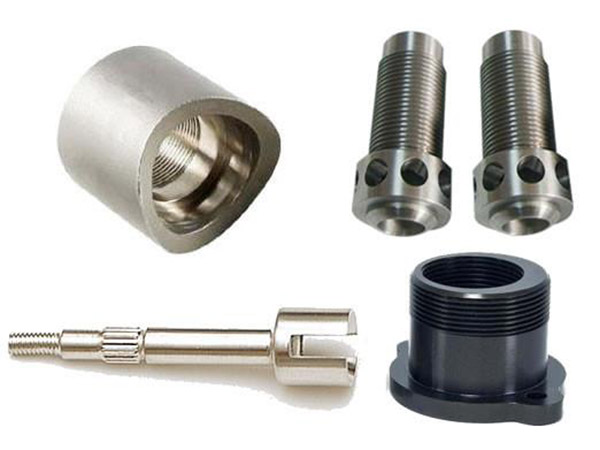
The Difference Between Prototype Parts and Machined Parts: A Practical Guide for Manufacturers

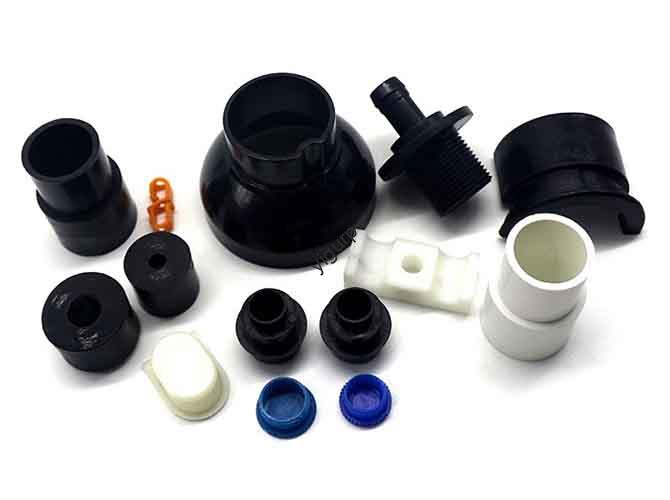
If you work in product development or manufacturing, understanding how prototype parts differ from machined parts is key to avoiding costly mistakes. These two manufacturing outputs serve entirely distinct stages of production—one focuses on testing ideas, while the other delivers consistent, production-ready components. Below, we break down their differences with clear data, examples, and actionable

aerospace 3d printing

3D Printing Accurate: Key Factors, Technologies, and Tips for Precision Results

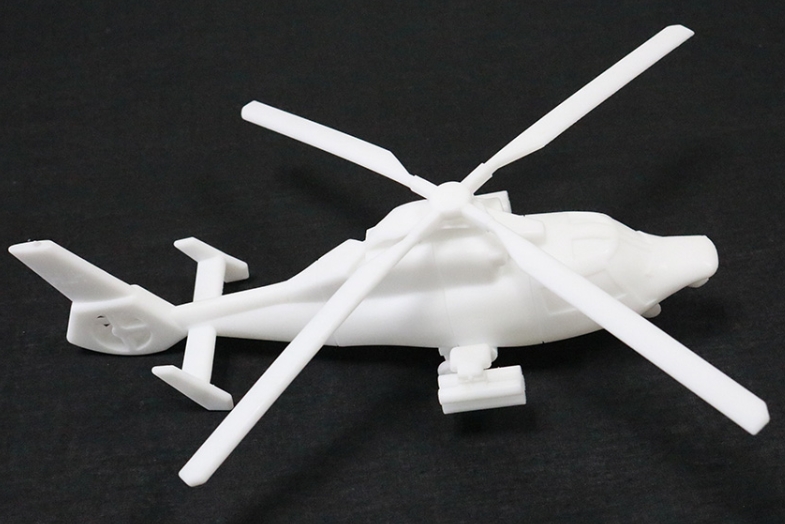
For engineers, designers, and manufacturers, 3D printing accurate parts isn’t just a goal—it’s a requirement. Whether you’re making a medical implant that needs to fit a patient’s body or a aerospace component with tight tolerances, even a 0.1mm error can render a part useless. But 3D printing accuracy doesn’t happen by accident: it depends on

consumer 3d printing

3D Printed Toy Models: Unleashing Creativity with Customizable, High-Quality Designs

For toy enthusiasts, parents, and educators, finding toys that are unique, educational, and affordable can be a challenge. Traditional mass-produced toys often lack personalization, limit creativity, and take weeks to reach shelves. That’s where 3D Printed Toy Models change the game. Using additive manufacturing, these toys are built layer by layer from digital designs, solving

prototype parts

What Is Difference Between Prototype Parts and Mold Parts? A Practical Guide

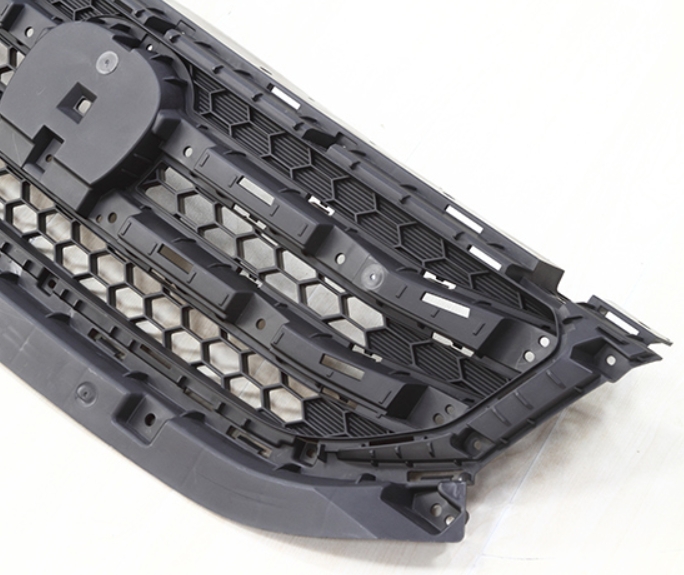
If you’re a product developer, engineer, or entrepreneur navigating the product lifecycle, you’ve likely asked: “What is the difference between prototype parts and mold parts?” While both are physical versions of a product design, they serve entirely different roles—one focuses on testing and refinement, the other on mass production for the market. Mixing them up

prototype processing

What Materials Can Be Used for Prototype Processing? A Comprehensive Guide

If you’re a product designer, engineer, or entrepreneur gearing up for prototype development, one of the first and most critical questions you’ll face is: What materials can be used for prototype processing? The right material choice directly impacts your prototype’s functionality, durability, cost, and even how well it represents the final product. In this guide,

cnc plastic prototype sanding

How to Sand CNC Plastic Prototypes: A Complete Step-by-Step Guide

If you’re a product designer or engineer working with CNC plastic prototypes, you know that even the most precise CNC machining leaves small flaws—like tool marks, slight (bulges), or rough edges. Sanding is the critical step that turns these raw parts into smooth, high-quality prototypes ready for testing, presentation, or post-processing (like painting or coating).

hydro transfer printing

How to Do Hydro Transfer Printing for CNC Metal Prototype: A Step-by-Step Guide

If you’re a product designer or engineer working with CNC metal prototypes, you may wonder how to add complex, high-quality patterns to their surfaces. Hydro transfer printing (also called water transfer printing) is the answer—it turns plain metal prototypes into visually appealing parts with intricate designs, even on curved or irregular surfaces. In this guide,

rapid prototype lead time

How Long Does Rapid Prototype Lead Time Take? A Complete Guide for 2025

If you’re a product developer or designer, one of the most pressing questions you’ll have is: how long does rapid prototype lead time take? The answer isn’t a simple number—several key factors directly impact how quickly you can get your prototype in hand. In this guide, we’ll break down each factor, provide real-world timelines, and

prototype sampling

What Materials Are Used for Prototype Sampling? A Guide for Product Teams

Choosing the right material for your prototype sampling is make-or-break for product development. The material you pick affects how well your prototype tests functionality, shows off design details, and aligns with real-world use. Whether you’re building a plastic 外壳 (housing) for a gadget or a metal part for a car, understanding your material options helps

cnc machining elliptical prototypes

CNC Machining Elliptical Prototypes: A Guide for Precision Parts

If you’re a product engineer designing aerospace components or a procurement specialist sourcing oval-shaped parts for automotive use, CNC machining elliptical prototypes is the key to turning complex oval designs into reliable, high-precision prototypes. This guide walks you through every critical step—from design to quality control—with real-world examples and data to help you avoid mistakes

cnc swissing

What Are Critical CNC Large-Scale Machining Precautions for High-Quality Results?

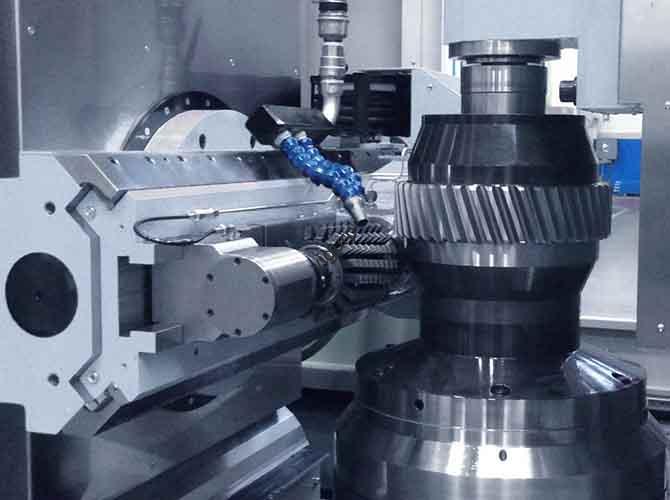
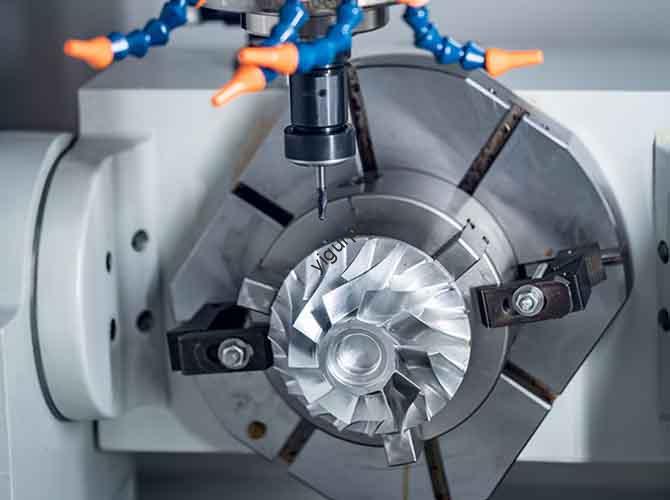
CNC large-scale machining involves fabricating oversized, heavy workpieces (e.g., wind turbine wheels, ship propulsion shafts) using high-rigidity CNC equipment—demanding strict control over every stage to avoid costly defects (e.g., workpiece deformation, tool breakage) and ensure safety. Unlike standard CNC machining, its focus on large dimensions (often >1 meter) and heavy loads (1–100 tons) introduces unique

Scroll to Top