
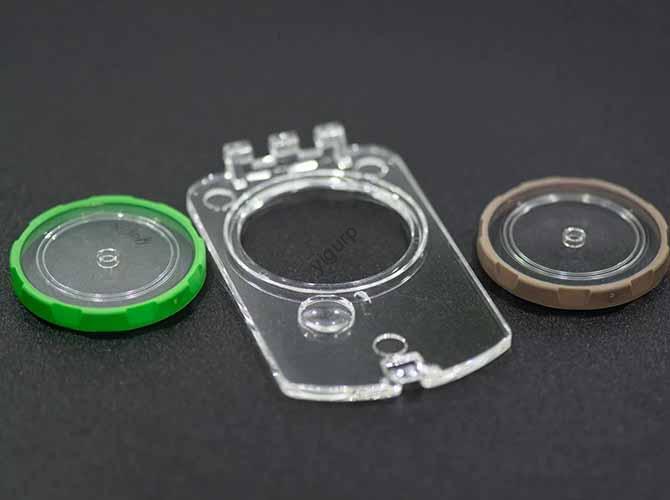
For years, people saw 3D printing as just a lab tool. It made quick prototypes, but no one thought it could handle real factory production. That old view is wrong. 3D printing—also called additive manufacturing (AM)—won’t replace methods like injection molding or CNC machining. But it has become a practical, powerful solution for many manufacturing needs. The question isn’t if AM works for production. It’s how and where to use it best. This guide breaks down myths vs. facts, speed/scale solutions, cost economics, quality control, hybrid factories, and environmental benefits. It uses simple language, real cases, and hard data to help you see if 3D printing is ready for your mass manufacturing goals.
What’s the New Reality?
The talk around 3D printing and manufacturing is changing fast. Old myths still linger, but today’s AM tech tells a different story. To use 3D printing well, you first need to drop outdated beliefs and focus on facts.
Myth vs. Reality: Key Facts
Let’s bust the most common myths about 3D printing for mass production. Each myth hides a real, practical benefit of AM:
- Myth: 3D printing is only for one-off prototypes. Reality: It’s used for series production in aerospace, medical, and automotive industries—some of the most demanding fields.
- Myth: Cost-per-part is too high for mass production. Reality: AM skips tooling costs, improves supply chains, and makes complex shapes cheaply. It’s often cheaper for low-to-mid volume runs and custom parts.
- Myth: It can’t compete with injection molding speed. Reality: New tech, parallel printing, and automation are closing the speed gap for many uses.
Example: A medical device maker uses 3D printing to produce 1,000 custom knee implants monthly. Tooling for these implants would cost $80,000. AM lets them skip tooling and cut per-part costs by 40%.
Can It Compete in Speed?
3D printing’s layer-by-layer process seems slower than injection molding. A mold makes a part in seconds; a 3D print can take hours. But speed isn’t just about one part—it’s about total output and lead time. We need to look at three key parts of speed:
Build time per part, total daily/weekly output, and post-processing time. Post-processing is often overlooked but can slow production if unmanaged. The industry has solutions to fix these speed gaps.
What Are Print Farms?
Print farms are the easiest way to scale 3D printing speed. They use many small, affordable printers working at the same time. This parallel approach boosts output without relying on one big machine.
Companies like Voodoo Manufacturing pioneered this model. If one printer breaks, others keep going. Output is simple to calculate: (parts per build) × (number of printers) / (build time + changeover time).
Case: A drone maker uses 20 Formlabs printers to make 200 custom parts daily. Without the print farm, one printer would take 10 days to make the same number.
Are Faster Techs Available?
New 3D printing tech is built for speed. Old FDM/SLA printers are good, but newer systems cut build times drastically. These techs use new methods to fuse layers faster.
- HP’s Multi Jet Fusion (MJF) fuses entire powder layers at once—faster than SLS lasers.
- Carbon’s Digital Light Synthesis (DLS) skips peel-and-recoat steps for resin parts.
- SLM Solutions’ metal printers use up to 12 lasers at once, quadrupling output.
Example: A car parts maker switched from FDM to MJF. They now print 500 plastic brackets per day—up from 50 with FDM.
Does Automation Fix Post-Processing?
Post-processing was a big bottleneck for scale. Manual support removal, cleaning, and curing can’t keep up with thousands of parts. Automation solves this problem.
Robots remove parts from build plates. Automated stations recover unused powder. Conveyors move parts through washing and curing. These steps cut labor and keep quality consistent.
Our team set up a production run for 100 drone parts daily. We added automated washing and curing. Without it, printers would outpace our ability to finish parts—creating delays.
Is It Cost-Effective?
Many think 3D printing is too expensive. This comes from comparing just material costs. Yes, AM materials cost more per kilogram than injection molding plastics. But you need to look at the full cost picture.
AM often saves money in tooling, inventory, and supply chains. The true cost-per-part depends on volume, design, and total value—not just material price.
Cost Comparison: AM vs. Molding
The table below breaks down key cost factors. It shows where AM gains an edge, especially for low-to-mid volume runs:
| Cost Factor | 3D Printing (AM) | Injection Molding |
| Tooling/Molds | Very Low / None | Very High ($1k–$100k+) |
| Material Cost | High (Specialized) | Low (Bulk Plastics) |
| Labor Cost | Low to Medium | Low (Highly Automated) |
| Low Volume Cost | Low & Stable | Extremely High |
| High Volume Cost | Relatively High | Extremely Low |
What’s Total Cost of Ownership?
Total Cost of Ownership (TCO) includes hidden savings. These savings often make AM cheaper than molding for the right jobs. Key hidden benefits:
- Lower Inventory Costs: Print parts on-demand. No need to store thousands of parts that may become obsolete.
- Supply Chain Safety: Print locally to avoid shipping delays, tariffs, and geopolitical risks.
- Faster Speed-to-Market: Go from design to production in days, not months. Capture market share sooner.
- Part Consolidation: Print one part instead of 10. Cut assembly time and failure risks.
Example: A tech company used AM for a new product. They printed 1,000 parts monthly for 6 months. This generated $500k in revenue while mold tooling was made. Without AM, they would have missed the market window.
Can It Ensure Quality at Scale?
Mass manufacturing needs consistent quality. Part 10,000 must be identical to part 1. Early 3D printers struggled with this. Today, AM has strong quality control (QC) systems to keep parts consistent.
What Is In-Process Control?
In-process control monitors parts as they print. Modern printers have sensors to check every layer. This catches problems early and prevents waste.
Metal printers use high-res cameras and thermal sensors. They watch the melt pool (where the laser fuses powder). Algorithms detect overheating or incomplete fusion—common defects.
Case: An aerospace supplier uses in-process control for titanium parts. They cut failed prints by 70% and saved $100k yearly in material waste.
How Is Post-Process Inspection Done?
After printing, parts go through strict inspection. These methods ensure parts meet design specs:
- 3D Scanning: Lasers map the part. Software compares it to the CAD model. It flags any size differences down to microns.
- CT Scanning: X-rays create a 3D model of the part’s inside. It finds hidden defects like cracks or voids.
- Material Testing: Sample parts are tested for strength, hardness, and durability. This ensures material meets standards.
What Are Digital Twins?
Digital twins predict print problems before they happen. Simulation software creates a virtual copy of the print process. It uses part design, material, and machine settings to forecast issues.
It can predict warpage, stress, or support failures. Engineers fix these issues in the digital model before printing. This cuts failed prints and keeps quality high.
Example: A medical implant maker uses digital twins. They reduced failed prints by 80% and cut design time by 50%.
What Is a Hybrid Factory?
The best future for manufacturing is not all 3D printing. It’s a hybrid factory—blending AM with traditional methods. Smart companies use each tech for what it does best.
Hybrid factories are flexible, efficient, and resilient. They combine AM’s strengths with molding’s high-volume speed. This creates a better overall production system.
When to Use 3D Printing?
3D printing shines in three key areas. These are where it adds the most value:
- Bridge Manufacturing: Print low-to-mid volumes while molds are made. Generate revenue and test the market early.
- Mass Customization: Make personalized parts without extra tooling. Ideal for medical implants or custom car parts.
- Complex Shapes: Print parts with internal channels or consolidated designs. These are impossible or too costly with molding.
When to Use Traditional Methods?
Traditional methods are best for high-volume, simple parts. Injection molding and stamping make hundreds of thousands of identical parts cheaply. They’re also better for large, simple shapes.
Case: An auto supplier uses hybrid manufacturing. They mold 500,000 standard interior clips monthly (pennies per part). They use MJF printers to make 5,000 custom dashboard mounts for a limited edition. Tooling for the mounts would cost $50k—too much for a small run. The hybrid model lets them do both profitably.
What Are the Green Benefits?
3D printing offers big environmental benefits. As companies focus on sustainability, these benefits become a competitive edge. AM is more eco-friendly than traditional manufacturing in three key ways.
Does It Cut Waste?
Traditional manufacturing is subtractive—it cuts material away and creates waste. Aerospace often has a 10:1 buy-to-fly ratio: 90% of titanium is wasted to make one part.
AM adds material only where needed. Powder-based AM recycles 95% of unused powder. This cuts raw material waste drastically.
Example: An aerospace company switched to AM for titanium parts. They cut material waste by 90% and saved $200k yearly in raw materials.
Does It Simplify Supply Chains?
Traditional supply chains make parts in bulk and ship them globally. This causes overproduction, obsolete inventory, and high carbon emissions.
AM enables on-demand, local production. Parts are printed near where they’re needed. Digital warehouses store designs, not physical parts. This cuts shipping emissions and waste.
Does It Reduce Weight?
AM lets engineers make lightweight, optimized parts. Generative design software creates parts with maximum strength and minimum weight. These parts are only possible with 3D printing.
Lighter parts mean less fuel for cars and planes. This cuts carbon emissions over the product’s life. A 10% weight cut in a car reduces fuel use by 6–8%.
Conclusion
So, is 3D printing ready for mass manufacturing? The answer is yes. The tech has matured, and the ecosystem (hardware, software, materials) supports scale. Myths about speed and cost are wrong—new solutions have closed these gaps. Strong QC systems ensure consistent, reliable parts.
The best path is not to replace traditional manufacturing. It’s to integrate AM where it adds the most value. Hybrid factories use AM for customization, complexity, and on-demand runs. They use molding for high-volume, simple parts. Add in AM’s green benefits, and it’s clear: 3D printing belongs on the modern factory floor.
The real question isn’t if AM is ready. It’s if you are. Adopting AM means rethinking design, supply chains, and business models. Those who embrace it strategically will lead the next era of manufacturing.
FAQ: 3D Printing for Mass Manufacturing
Q: Is 3D printing fast enough for mass production?
A: Yes. Print farms, faster tech (like MJF/DLS), and automation cut output time. It competes well for low-to-mid volumes; injection molding is better for very high volumes.
Q: Is 3D printing cheaper than injection molding?
A: It depends on volume. AM is cheaper for runs under 500–5,000 parts (no tooling costs). Molding is cheaper for higher volumes. TCO savings (inventory, speed) often make AM better for small runs.
Q: Can 3D printing make consistent parts at scale?
A: Yes. In-process control, post-inspection (3D/CT scanning), and digital twins ensure consistency. Part 10,000 will match part 1 in form, fit, and function.
Q: What’s a hybrid factory, and why use it?
A: It blends 3D printing with traditional methods. Use AM for customization/complexity; use molding for high-volume/simple parts. It’s flexible, efficient, and profitable.
Q: Is 3D printing more eco-friendly?
A: Yes. It cuts material waste (up to 95% efficiency), reduces shipping emissions (local printing), and makes lighter parts (less fuel use).
Discuss Your Projects with Yigu Rapid Prototyping
Do you want to use 3D printing for mass manufacturing? Yigu Rapid Prototyping has the expertise to help. Our team knows AM tech, materials, and quality control for scale.
We’ll work with you to find the right mix of 3D printing and traditional methods. From cost analysis to workflow setup, we deliver consistent, cost-effective production. Contact us today to discuss your project and unlock AM’s potential for your business.