
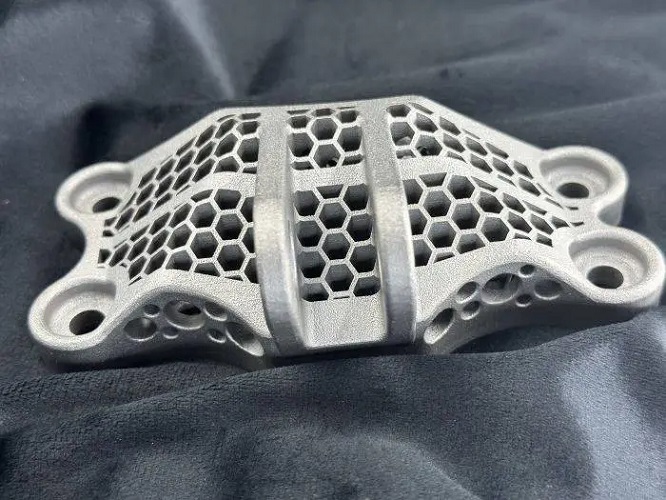
You have a 3D print. It’s a great shape, but it’s plain. The right color can change everything. It can turn a simple print into a work of art or a product that sells. 3D printing coloring is not just painting. It’s a skill that mixes art with science. This guide will show you how to do it well. You will learn the right steps, methods, and tools. We will cover everything from cleaning your model to the final shiny coat.
Introduction
Why do some 3D prints look amazing? The secret is often in the finish. 3D printing coloring is the key. It brings models to life. For a hobbyist, it means a custom toy. For a business, it means a product that stands out. But it can be tricky. Paint might not stick. Colors can look patchy. This happens if you skip the prep work. Good coloring needs a good plan. We will walk you through that plan. You will learn about sanding, priming, and choosing the right paint. We will share tips from pros. This guide will help you make your prints look their best.
How Do You Prep Your Print for Color?
Why Is Cleaning So Important?
The first step is to clean your model. Even a little dust can ruin your work. Tiny bits of support material or residue create bumps. They stop paint from sticking.
Use a soft brush for dust. For resin prints, you might need isopropyl alcohol. It cleans off sticky resin. After cleaning, let the model dry. A damp model will not hold paint well.
Do You Really Need to Sand?
Yes, for most prints. Layer lines are the enemy of smooth color. Sanding makes the surface flat. Start with a coarse grit sandpaper like 200. Remove the big lines. Then, move to a fine grit like 600. This makes it feel smooth.
For small details, use sanding sponges. They bend into curves. This step takes time, but it makes a big difference. A smooth base means even color.
What Does Priming Do?
Think of primer as a bridge. It connects the raw print to your paint. Primer fills tiny scratches. It gives the paint a uniform surface to stick to.
A good spray primer in gray or white works for most plastics. It dries fast. Apply thin coats. Wait for each coat to dry. Two light coats are better than one thick coat.
Key Prep Steps Checklist
- Step 1: Clean – Remove all dust and grease.
- Step 2: Sand – Start coarse, finish fine for a smooth feel.
- Step 3: Prime – Apply thin, even coats and let dry fully.
- Step 4: Check – Look for flaws. Sand and prime again if needed.
What Are the Best Coloring Methods?
When Should You Hand-Paint?
Hand-painting is great for details. Use small synthetic brushes. Acrylic paints work well. They are easy to clean and come in many colors. This method gives you full control. You can paint small logos or fine lines.
For even coats, use the wet-on-wet technique. Keep the paint wet on your brush and the model. This helps avoid brush strokes. It takes practice but gives a smooth look.
Is Airbrushing Worth the Cost?
An airbrush is a tool for pros. It uses air to spray paint. It gives the smoothest finish. You can create gradients and soft shadows. It is perfect for large, smooth areas.
Airbrushes are more costly. You need the tool, a compressor, and special paint. The paint must be thin. You also need good ventilation. But for high-quality results, it is a top choice.
Can You Dip-Dye a 3D Print?
Dip-dyeing is simple. You dip the whole model in colored liquid. It works best for single-color jobs. Use fabric dye or ink mixed with hot water. This method is fast and even.
It is great for porous materials like PLA or nylon. The dye soaks into the surface. It becomes part of the plastic. For non-porous materials like resin, it will not work as well.
Comparison of Coloring Methods
| Method | Best For | Pros | Cons | Skill Level |
|---|---|---|---|---|
| Hand-Painting | Small details, low volume | Low cost, high control | Can show brush strokes | Beginner |
| Airbrushing | Large surfaces, gradients | Very smooth finish, professional look | High cost, needs practice | Advanced |
| Dip-Dyeing | Solid colors, porous materials | Fast, very even color | Limited to one color, messy | Intermediate |
| Spray Can | Quick base coats | Easy to use, fast | Less control, can drip | Beginner |
What Are Post-Processing Tricks?
After coloring, you can add effects. Dry brushing highlights raised details. Use a dry brush with a little paint. Lightly drag it over the surface. The paint catches on the high points.
For a worn look, try a wash. This is thin, dark paint. You brush it on and wipe it off. It stays in the cracks, adding depth. These tricks make your model look more real.
How Do You Choose the Right Materials?
Which Paints Work Best?
The best paint depends on your print material.
- For PLA & ABS: Use acrylic paints. They stick well and come in many types. Model paints from brands like Vallejo are great for details.
- For Resin Prints: Use paints made for non-porous surfaces. Some acrylics work. But you often need a primer first. Enamel paints also work on resin but take longer to dry.
- For Nylon: This material is tricky. You need a special adhesion promoter before painting. Then, use flexible paints like those for RC car bodies.
Always test your paint on a scrap piece first.
What About Inks and Dyes?
Alcohol inks are vibrant. They are great for creating marble effects or tints on clear resin. They dry fast and are very strong. Fabric dyes work for soaking color into nylon. They make the color part of the material, so it won’t chip.
What Are Common Problems and Fixes?
Why Does Paint Peel or Chip?
This is often a prep problem. The surface was not clean or sanded. Primer was not used. The fix is to strip the paint and start over. Sand the model again. Apply a good primer. Make sure the primer is for plastic.
How Do You Fix Uneven Color?
Patchy color comes from uneven paint thickness. You might have applied too much paint at once. The fix is to use thin, multiple coats. Let each coat dry fully. Spray or brush from a steady distance. Move your hand smoothly.
Can You Remove Mistakes?
Yes, you can. For wet acrylic paint, use water. For dried paint, use isopropyl alcohol or a gentle paint remover. Be careful not to damage the plastic. Test the remover on a hidden spot first.
How Do You Apply the Perfect Finish?
Why Use a Varnish?
A varnish or topcoat protects your work. It seals the color. It prevents scratches and fading. You can choose matte, satin, or glossy. Matte hides fingerprints. Glossy makes colors pop.
Apply varnish in thin, even coats. Let it dry in a dust-free place. This final step makes your print look professional and last longer.
How Can You Polish for a Shine?
For a high-gloss look on resin prints, you can polish. Start with wet sanding using very fine grits (1000 to 3000). Then, use a polishing compound and a soft cloth. Buff the surface until it shines. This takes time but gives a glass-like finish.
What Is the Future of 3D Print Coloring?
Will New Filaments Help?
New pre-colored filaments are coming. They have particles that change color with heat or light. Some have wood or metal fibers inside. You can sand and stain them like real wood. This skips the painting step.
Are There Automated Solutions?
Some companies now offer automated painting services. A machine scans your model and paints it. This is good for businesses that need many copies. It is not for hobbyists yet, but it shows where the tech is going.
Conclusion
3D printing coloring is a powerful skill. It turns a basic print into something special. The key is in the preparation. Clean, sand, and prime your model well. Choose the right method for your project. Hand-paint for details, airbrush for smoothness. Use the correct paints and seal your work with a varnish. It takes practice. But the results are worth it. Your prints will look better than ever. They will have the finish of a pro.
FAQ
Q: What is the best paint for beginners?
A: Acrylic paints are the best to start. They are cheap, easy to find, and clean with water. Brands like Apple Barrel work fine. Use them with a good primer on sanded PLA.
Q: Can I use regular spray paint from a hardware store?
A: Yes, but choose spray paint made for plastic. Always use a plastic primer first. Test it on a small area. Some sprays can melt certain plastics like ABS if applied too thick.
Q: How do I avoid brush strokes when hand-painting?
A: Use high-quality, soft brushes. Thin your paint with a little water or flow improver. Apply in thin layers. Let each layer dry. This gives a smoother finish.
Q: My resin print feels greasy even after washing. What do I do?
A: This is common. Wash it again with warm soapy water and a soft toothbrush. Rinse well. Let it dry fully. Then, lightly sand it before priming. The sanding gives the primer something to grip.
Q: Is an airbrush necessary for professional results?
A: Not always. You can get great results with spray cans and careful hand-painting. But an airbrush gives more control for gradients and super-smooth finishes. It is an investment for serious makers.
Discuss Your Projects with Yigu Rapid Prototyping
Do you have a product that needs a perfect finish? At Yigu Rapid Prototyping, we know that color matters. We can help you choose the best post-processing methods for your 3D prints. We advise on surface prep, paint selection, and finishing techniques. For businesses, we can guide you on scaling up your coloring process.
Contact us to discuss your project. Let us help you make your 3D printed parts look as good as they function.