
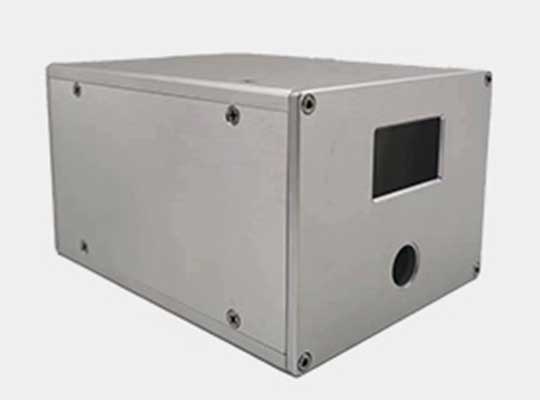
If you are looking for sheet metal services in Singapore, you need a clear breakdown of how to choose the right provider, what processes to expect, and how to ensure quality. Singapore’s sheet metal industry is highly regulated, tech-driven, and focused on precision, with providers offering everything from laser cutting to powder coating. This guide covers critical factors, processes, costs, and trends to help you make informed decisions.
What Is Sheet Metal Fabrication and Why Is It Important in Singapore?
Sheet metal fabrication shapes flat metal sheets into functional products using cutting, bending, punching, and assembling techniques. In Singapore, this industry supports aerospace, electronics, construction, and marine engineering—all relying on precise, durable sheet metal components.
Real-World Example: A local aerospace supplier needed 500 custom aluminum brackets for aircraft interiors. The project required ±0.1mm tolerances and compliance with AS9100 aerospace standards. A reputable sheet metal firm in Singapore met these demands using CNC laser cutting and automated bending—something smaller shops without advanced equipment couldn’t achieve.
Why This Matters: Singapore’s strict quality regulations, such as the Singapore Standards Council’s SS 510 for metal products, mean reputable providers adhere to global benchmarks. Unlike regions with looser standards, certified Singaporean sheet metal companies deliver components that meet safety and performance requirements.
What Key Factors Should You Consider When Choosing a Sheet Metal Provider?
Certifications and Compliance
Certifications prove a company’s commitment to quality. In Singapore, look for:
- ISO 9001: Ensures consistent quality management systems
- AS9100: Mandatory for aerospace-related sheet metal work
- ISO 14001: Indicates eco-friendly practices
- SS 510: Singapore’s local standard for carbon steel products
Case in Point: A client in the electronics industry hired a non-certified shop to produce 1,000 server racks. The racks failed to meet fire safety standards (SS 495), forcing rework costing $20,000 and delaying their product launch by 6 weeks. Choosing a certified provider avoids these risks.
Material Expertise
Different projects require different metals. The best providers guide you toward the right material:
| Material | Key Properties | Typical Applications |
|---|---|---|
| Aluminum | Lightweight, corrosion-resistant, easy to form | Aerospace parts, electronics enclosures |
| Stainless Steel | Highly durable, rust-proof, hygienic | Food equipment, medical devices |
| Carbon Steel | Strong, cost-effective, high tensile strength | Structural parts, machinery frames |
| Galvanized Steel | Rust-resistant (zinc-coated) | Outdoor fixtures, construction components |
For outdoor signs, a good provider recommends galvanized steel over plain carbon steel—it lasts 5–10 years longer in Singapore’s humid climate despite slightly higher cost.
Technology and Equipment
Singapore’s sheet metal industry adopts cutting-edge tech. Look for companies with:
- CNC Laser Cutters: For intricate designs and tight tolerances down to ±0.05mm
- Automated Bending Machines: Ensures consistent angles across large batches
- 3D Modeling Software: Lets you visualize the final product before production
A small engineering firm needed 20 custom metal brackets. They first chose a shop with manual bending tools, resulting in 15% misalignment. Switching to a company with automated CNC benders eliminated the issue and reduced production time by 30%.
Lead Times and Scalability
Singapore’s fast-paced industries require quick turnarounds. Ask potential providers:
- Typical lead time for small batches (1–100 units) versus large batches (1,000+ units)
- Ability to handle rush orders (48-hour turnaround for urgent parts)
A local F&B chain needed 50 custom stainless steel counter tops for a new outlet opening in 2 weeks. A scalable sheet metal company prioritized the order by adjusting their production schedule—something a small shop with limited capacity couldn’t do.
After-Sales Support and Warranty
Look for providers offering:
- Clear warranty (6–12 months for defects in materials or workmanship)
- Fast repair or replacement for faulty parts
- Post-delivery support for installation or maintenance
One client had aluminum enclosures that developed small dents during shipping. Their provider replaced damaged units within 3 days at no extra cost because they stood behind their warranty.
What Common Sheet Metal Processes Are Used in Singapore?
Laser Cutting
Laser cutting uses a high-powered laser to cut through metal sheets with extreme precision. It is ideal for complex shapes like intricate logos or custom holes and works with all common sheet metals. The biggest advantage: no physical contact with the metal, so no risk of bending or damaging the material. A tech startup used laser cutting to create 100 custom aluminum phone cases with detailed engravings—each identical.
CNC Bending
CNC bending uses computer-controlled machines to fold metal sheets into specific angles like 90-degree bends for boxes or brackets. Unlike manual bending, CNC ensures consistency—critical for large batches. A construction company used CNC bending to produce 500 steel support beams; every beam had the exact same angle, simplifying on-site installation.
Punching
Punching uses a die to create holes, slots, or notches in metal sheets. It is faster and more cost-effective than laser cutting for simple, repetitive shapes like round holes for screws. A furniture manufacturer uses punching to add ventilation holes to 1,000 steel cabinet doors monthly—saving 20% on production costs compared to laser cutting.
Welding and Assembly
Welding joins multiple sheet metal parts using heat or pressure. In Singapore, most shops use MIG welding for aluminum and steel or TIG welding for high-precision jobs like aerospace parts. A marine engineering firm hired a sheet metal company to weld and assemble 20 stainless steel boat consoles—each required seamless welds to prevent water leakage.
Finishing Services
Finishing protects sheet metal from corrosion and improves appearance:
- Powder Coating: Applies durable, colorful layer resistant to scratches and fading—ideal for outdoor fixtures
- Anodizing: Creates protective layer on aluminum—often used for electronics or aerospace parts
- Electroplating: Adds thin metal layer like chrome or nickel for shiny finish—used for decorative parts
A hotel chain chose powder coating for 100 steel railings, selecting a custom gold color matching their branding. The coating has held up against Singapore’s rain and humidity for over 2 years.
What Cost Factors Affect Sheet Metal Projects in Singapore?
- Material Costs: Aluminum (~$2.50/kg) is more expensive than carbon steel (~$1.20/kg). Rare metals like titanium can cost up to $30/kg
- Complexity: Intricate designs take more time—a simple bracket might cost $5, while custom engraved parts could cost $20
- Batch Size: Small batches (1–10 units) have higher per-unit costs due to setup time—10 brackets at $10 each versus 100 brackets at $6 each
- Finishing: Powder coating adds $1–$3 per square meter; anodizing adds $2–$5 per square meter
- Lead Time: Rush orders can cost 20–50% more than standard orders
To save money, consider simplifying your design or increasing batch size. A client reduced project cost by 15% by ordering 200 units instead of 100—storing extra parts for future use.
What Trends Are Shaping Singapore’s Sheet Metal Industry?
Automation and Industry 4.0
More shops adopt fully automated production lines using robots and AI to improve speed and precision. AI-powered software optimizes cutting patterns, reducing material waste by up to 10%. This means faster turnaround and lower costs for clients.
Sustainability
Singapore’s push for carbon neutrality by 2050 drives demand for eco-friendly practices. Many providers now use:
- Recycled metals (about 30% of sheet metal in Singapore is recycled, up from 20% in 2020)
- Energy-efficient machines using 20% less electricity
- Water-based paints instead of solvent-based options
A green building project required all sheet metal parts from 100% recycled steel. A forward-thinking company sourced the material and provided certification—helping the project qualify for Singapore’s Green Mark award.
Customization for Niche Industries
As Singapore’s tech and aerospace sectors grow, demand rises for highly customized sheet metal parts. Drone startups need lightweight, custom aluminum frames. Medical device companies need stainless steel parts with ultra-tight tolerances of ±0.02mm. Top providers invest in specialized equipment to meet these niche needs.
Conclusion
Singapore’s sheet metal industry offers precision, quality, and innovation across aerospace, electronics, construction, and marine sectors. Key factors when choosing providers include certifications like ISO 9001 and AS9100, material expertise, advanced technology with CNC capabilities, realistic lead times, and strong after-sales support. Common processes range from laser cutting and CNC bending to welding and powder coating. Costs depend on materials, complexity, batch size, finishing, and lead time requirements. With trends toward automation, sustainability, and niche customization, Singapore’s sheet metal services continue evolving to meet global manufacturing demands.
FAQ About Sheet Metal Services in Singapore
How long does a typical sheet metal project take in Singapore?
For small batches (1–50 units), lead times are usually 3–7 days. Large batches (100+ units) take 1–2 weeks. Rush orders (48–72 hours) are available for urgent projects at higher cost.
What’s the minimum order quantity for sheet metal parts?
Most companies have no strict MOQ—they handle single-unit custom projects. However, larger batches of 50+ units come with lower per-unit costs.
Can sheet metal providers in Singapore help with design?
Yes. Reputable firms have in-house design teams that review plans, suggest improvements like material changes or simplifications, and create 3D models to visualize the final product.
Are there regulations for sheet metal parts in Singapore?
It depends on your industry. Aerospace parts need AS9100 compliance. Food-related equipment must meet SS 493 hygiene standards. Your provider should help navigate these regulations.
How do I get a quote for a sheet metal project?
Most companies require a 2D/3D design file (CAD), material preference, batch size, and finishing requirements. Send these details to 3–4 providers to compare quotes—look for transparency rather than just the lowest price.
Discuss Your Projects with Yigu Rapid Prototyping
Ready to start your sheet metal project in Singapore? Yigu Technology combines global manufacturing expertise with practical support for businesses worldwide. We help aerospace suppliers, electronics manufacturers, construction firms, and marine engineering companies select the right sheet metal processes and partners. Our AI-powered design tools optimize your parts for fabrication—reducing waste and speeding up production. We connect you with vetted Singaporean providers holding ISO 9001, AS9100, or ISO 14001 certifications matching your industry requirements. From material selection to finishing and assembly, our team reviews your designs for manufacturability and ensures compliance with Singapore standards. Contact Yigu Rapid Prototyping today to discuss your sheet metal needs and discover how we can help you manufacture precision components efficiently, sustainably, and cost-effectively in Singapore.