
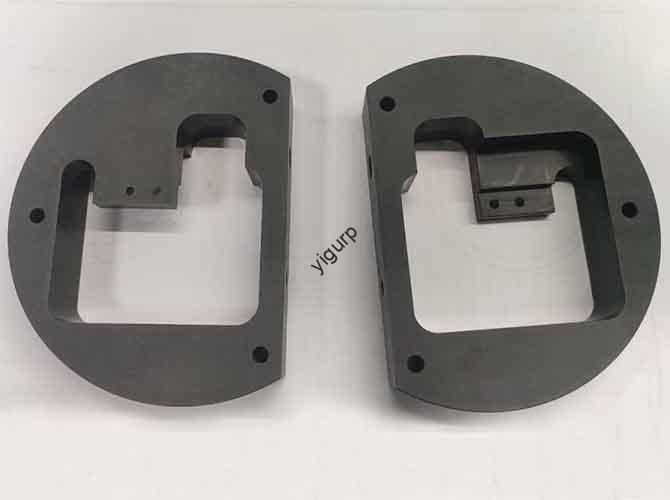
If you’re developing a product in the U.S., rapid prototyping helps you catch design flaws early. The U.S. rapid prototyping market is now a $8.5+ billion industry (SmarTech Analysis 2024), serving over 200,000 businesses annually. From 3D printing to CNC machining, these technologies turn digital designs into physical parts in days. This guide covers market trends, core technologies, industry applications, provider selection, regulations, and what’s next for rapid prototyping in America.
How Big Is the U.S. Rapid Prototyping Market?
Market Size and Growth Drivers
The U.S. leads global rapid prototyping with 45% of worldwide service providers. The technology and consumer goods sector drives 32% of demand—startups testing phone cases, toy companies iterating on action figures, and appliance brands refining kitchen gadgets all rely on rapid prototyping. Medical devices account for another 23%, with surgical tools and custom implants leading the way.
Why Companies Embrace Rapid Prototyping
Agile development has transformed how U.S. product teams work. 68% of product teams now use rapid prototyping in their workflow, up from 42% in 2019 (SmarTech survey). This shift lets them respond faster to customer feedback and catch issues before expensive tooling.
A California startup developing a smart water bottle used FDM 3D printing to test 5 design iterations in 3 weeks. Each prototype cost under $50, compared to $5,000+ for traditional injection molding prototypes. They fixed a lid leak early, saving 6 months of development time and $100,000 in potential rework.
What Rapid Prototyping Technologies Are Available?
FDM: Fast and Affordable
Fused Deposition Modeling (FDM) melts plastic filament and builds parts layer by layer. It dominates the market with 38% share because it’s fast (1-2 days) and low-cost. Engineers use it for consumer goods prototypes, automotive brackets, and enclosures. A Michigan supplier prototyped 15 dashboard variations in a month, each costing $20–$50.
SLA: Ultra-Fine Detail
Stereolithography (SLA) uses UV light to cure liquid resin into high-detail parts. It achieves 0.02mm layer height with smooth surfaces, making it ideal for dental models, jewelry prototypes, and medical components. A New York jewelry designer used SLA to capture intricate engravings that FDM couldn’t replicate.
CNC Machining: Strength and Precision
Computer Numerical Control (CNC) machining cuts material from solid blocks. It delivers high strength, durability, and tight tolerances (±0.001 inches). Aerospace prototypes and functional mechanical parts often require this approach. Lockheed Martin used CNC to prototype satellite components that withstood extreme temperatures.
Vacuum Casting: Small-Batch Production
Vacuum casting creates silicone molds from master patterns, then casts resin parts. It excels at low-cost small batches (10-100 parts) that mimic production materials. Electronics housings, rubber gaskets, and consumer product replicas commonly use this method.
| Technology | How It Works | Best For | Market Share |
|---|---|---|---|
| FDM | Melts plastic filament, builds layers | Fast, low-cost prototypes | 38% |
| SLA | UV-cured liquid resin | High-detail, smooth surfaces | 22% |
| CNC Machining | Cuts material from solid blocks | Strong, precise functional parts | 18% |
| Vacuum Casting | Silicone molds, resin casting | Small batches, production-like parts | 12% |
How Do Different Industries Use Rapid Prototyping?
Aerospace and Defense Applications
Aerospace companies test lightweight, high-performance parts without traditional manufacturing costs. Lockheed Martin used SLA to prototype a satellite antenna bracket at its Colorado facility. Engineers tested how it would withstand -40°F to 250°F in space, identified a weak point, and revised the design—saving $250,000 in production costs.
Medical Device Innovations
Medical firms rely on rapid prototyping for custom, patient-specific solutions. A Massachusetts company used SLA models of a patient’s spine to plan complex surgery. The model, created from CT scan data, let surgeons practice beforehand—reducing surgery time by 30% and lowering complication risks. They also used vacuum casting for surgical tool handles, testing grip comfort with doctors.
Automotive Design Iteration
Automakers use rapid prototyping to speed up interior and exterior part development. Ford uses FDM at its Michigan R&D center to prototype dashboard components. Engineers test 15+ design variations monthly—cup holder placement, touchscreen angle, and more. This rapid testing helped refine the 2024 F-150 Lightning’s dashboard based on driver feedback.
Consumer Goods Validation
Both startups and major brands validate concepts before production. Hasbro used vacuum casting to prototype a new action figure line. They created 50 resin prototypes and tested with kids—feedback showed the figures’ hands were too small to hold accessories. Hasbro revised the design in a week, avoiding a costly recall.
How to Choose a Reliable Rapid Prototyping Provider?
Match Technology to Your Goals
Define what you need—speed, detail, strength, or material similarity to final products. For fast, cheap consumer prototypes, choose FDM providers. For high-detail medical models, look for SLA expertise. A Texas provider specializes in CNC machining for aerospace prototypes, with 5-axis machines handling aluminum and titanium.
Verify Material Options and Quality
Not all providers stock the same materials. If your prototype must mimic ABS plastic for a phone case, confirm availability. Ask for sample parts to check quality. A Washington SLA provider sent a dental model sample showing 0.02mm detail, letting the client test crown fit. Top providers share material data sheets on strength and heat resistance.
Check Lead Times and Scalability
Most U.S. providers deliver simple FDM prototypes in 1-3 days. Complex CNC-machined parts take 3-7 days. Vacuum casting for small batches (10-100 parts) requires 5-10 days. A Colorado provider offers 24-hour rush service for FDM parts—ideal for tight deadlines. Confirm they can scale if you need more prototypes later.
Review Design Support and Post-Processing
Many projects need design tweaks for manufacturability—adding supports for 3D printing, for example. Choose providers with in-house engineers who optimize your design. A California firm helped a startup redesign a 3D-printed water bottle, adding fillets to prevent layer separation and adjusting the lid opening—cutting prototype failure rates from 40% to 5%. Ask about post-processing options like sanding, painting, or annealing to match your prototype’s look and feel.
What Regulations Apply to Rapid Prototyping?
Medical Device Compliance
Prototypes for patient care must follow FDA biocompatibility guidelines. Materials contacting the body must be non-toxic and sterile. A New York medical lab uses FDA-approved resin for SLA prototypes and sterilizes parts with ethylene oxide before hospital delivery, meeting Class I medical device standards.
Aerospace and Defense Requirements
Military or space prototypes must meet ITAR and AS9100 standards. ITAR requires providers to protect sensitive designs from unauthorized access. A Florida shop working with NASA uses encrypted file transfer and restricted printer access—only certified employees handle aerospace prototype files.
Consumer Product Safety
Toys and food-contact prototypes must meet CPSC standards. An Illinois provider uses CPSC-approved PLA plastic for toy prototypes—free of lead and phthalates, ensuring safe testing with children.
What Trends Are Shaping Rapid Prototyping’s Future?
Hybrid Prototyping Approaches
Providers combine 3D printing for complex shapes with CNC machining for precision. A Pennsylvania shop uses this hybrid approach for aerospace parts—3D printing rough shapes, then CNC machining critical surfaces to ±0.0001 inch tolerances. This cuts prototype time by 40% compared to full CNC machining.
Sustainable Materials Gain Traction
More providers offer recycled and bio-based materials. A Vermont FDM provider makes filament from recycled plastic bottles—costing 15% less than virgin plastic with similar strength. A California SLA provider uses plant-based resin from soybeans that biodegrades in compost, appealing to eco-conscious brands.
AI-Powered Design Optimization
AI software helps optimize prototype designs for manufacturing. A Massachusetts company uses AI to analyze client CAD files and suggest tweaks—reducing wall thickness to save material, adding supports to prevent failures. The AI cuts design iteration time by 30% and reduces prototype costs by 20%.
Conclusion
Rapid prototyping has transformed how U.S. companies bring products to market. With 68% of product teams now using these technologies, the shift toward faster iteration and lower-cost validation continues to accelerate. From FDM’s affordability to SLA’s precision, CNC’s strength to vacuum casting’s production-like parts, each technology serves specific needs across aerospace, medical, automotive, and consumer goods. Understanding material options, provider qualifications, and regulatory requirements ensures you select the right approach for your project. As hybrid methods, sustainable materials, and AI optimization reshape the landscape, rapid prototyping will remain essential for turning ideas into reality.
FAQ About Rapid Prototyping in the United States
How much does rapid prototyping cost in the U.S.?
Small FDM prototypes cost $20–$100. High-detail SLA models run $50–$200. CNC-machined metal parts range from $200–$1,000. Vacuum casting for 10 parts costs $500–$2,000 including mold fees.
What’s the typical lead time for a prototype?
Simple FDM or SLA prototypes take 1-3 days. CNC-machined parts require 3-7 days. Vacuum casting with mold making takes 5-10 days. Rush service (24-48 hours for FDM/SLA) costs an extra 25-50%.
Can prototypes handle functional testing?
Yes—with the right material and technology. For stress testing, CNC-machined metal or high-strength plastic (ABS) works best. For heat testing, materials like PEEK (heat-resistant to 500°F) in FDM or CNC handle extreme conditions. A Michigan supplier used CNC-machined aluminum prototypes to test EV battery parts at 300°F, matching final production materials.
Do providers help with design optimization?
Most offer engineering support. A California firm helped a startup redesign a water bottle by adding fillets to prevent layer separation—cutting prototype failures from 40% to 5%. Look for providers with in-house engineers who can optimize your design for manufacturability.
What industries use rapid prototyping most?
Technology and consumer goods lead at 32%, followed by medical devices at 23%. Aerospace, automotive, and industrial equipment also rely heavily on rapid prototyping for design validation and functional testing.
Discuss Your Projects with Yigu Rapid Prototyping
Ready to bring your product ideas to life? Yigu Technology combines global manufacturing expertise with local U.S. support to accelerate your development process. We help startups, medical device firms, and industrial manufacturers select the right prototyping technologies—whether you need FDM speed, SLA detail, CNC precision, or vacuum casting for small batches. Our team reviews your designs for manufacturability, suggests cost-saving improvements, and connects you with vetted U.S. providers who meet quality standards. We also offer AI-powered design optimization tools that cut iteration time and reduce costs. From concept validation to functional testing, we help you navigate material selection, regulatory compliance, and delivery timelines. Contact Yigu Rapid Prototyping today to discuss your project requirements and discover how we can help you prototype faster, smarter, and more cost-effectively.