
If you work in design, engineering, or manufacturing, you’ve likely heard of lattice structure additive manufacturing. But what is it, really? And why is it quickly becoming a go-to technique for creating better 3D-printed parts? This guide breaks down everything you need to know—from basic terms to real-world uses, design steps, and the challenges you might face. By the end, you’ll understand how lattice structures can save you time, cut costs, and make your parts stronger and lighter. We’ll use simple language, real cases, and clear data to keep things practical and easy to follow.
What Is Lattice Structure AM?
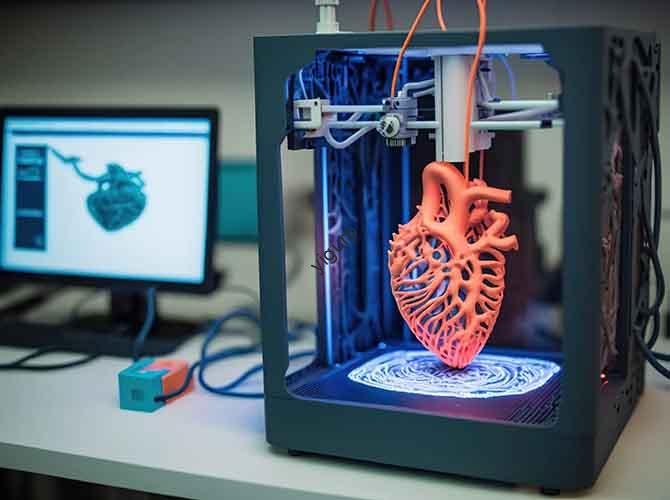
Let’s start with the basics to avoid confusion. Lattice structure additive manufacturing (AM) uses 3D printing to make parts with a grid-like, connected framework. Think of the inside of a bone or a honeycomb—empty space mixed with thin, strong beams. Unlike solid 3D-printed parts, lattices use material only where it’s needed. This balance makes them light but surprisingly tough.
Key Terms to Know
To talk about lattices confidently, learn these simple terms. They’ll help you understand every part of this guide:
- Struts: Thin, rod-like pieces that form the lattice’s frame. Their thickness, length, and angle change how strong the part is.
- Nodes: The points where struts connect. Stronger nodes (bigger or rounder) make the lattice more durable.
- Unit Cell: The repeating “building block” of the lattice. Common shapes are cubes, hexagons, or gyroids (twisted, organic patterns).
- Relative Density: The % of the lattice that’s solid material (vs. empty space). A 10% density means 90% is air—why lattices are so light.
A Simple Visual Example
Imagine you’re 3D printing a bracket for a drone. A solid bracket would be heavy. It would add weight to the drone, cutting its flight time. It would also use a lot of plastic.
A lattice bracket, though, has a grid inside. Struts go where the bracket needs to hold weight—like the corners. Empty space cuts weight. The result? A bracket 50% lighter than the solid one, but just as strong. Perfect for keeping drones flying longer.
Why Use Lattice Structure AM?
Lattices aren’t just a cool design trick. They solve real problems for designers, engineers, and businesses. Below are the 5 biggest benefits, with real cases and data to back them up.
Lightweight but Strong?
This is the top benefit of lattice structures. By replacing solid material with a grid, you can cut a part’s weight by 30-70%. But because struts are placed strategically, the part still handles stress well. This is a game-changer for industries where weight counts.
Case Study: Airbus A350 XWB Bracket – Airbus used lattice AM to make a bracket for its A350 XWB plane. The original solid bracket weighed 700 grams. The lattice version? Just 300 grams. That’s a 57% weight cut. Multiply that by hundreds of brackets per plane, and fuel costs drop a lot. Tests showed the lattice bracket was just as strong as the solid one, meeting Airbus’s strict safety rules.
Less Material, Less Waste?
Additive manufacturing is already more eco-friendly than traditional methods. It builds parts layer by layer, not by cutting away material. Lattices take this further: they use less material, so you waste less and save on raw material costs.
Data Point – A 2024 study by the Additive Manufacturing Research Center found lattice parts use 40-60% less material than solid 3D-printed parts. For a company printing 1,000 plastic parts a month, that’s $500-$1,000 in material savings each month.
Better Insulation?
The empty space in lattices acts as a buffer. This makes them great for parts that need to block heat or sound. A lattice heat shield in a car engine can keep heat away from other parts. A lattice interior panel can cut road noise in a vehicle.
Example: Ford EV Door Panels – Ford tested lattice door panels for its electric vehicles (EVs). The lattice panels cut road noise by 15% compared to solid ones. They also weighed 20% less, helping the EV’s battery go further on a charge.
Controlled Flexibility?
Solid parts either bend or break. Lattices let you “tune” how a part acts. Adjust strut thickness, unit cell shape, or relative density to make a part flexible (like a shoe sole) or rigid (like a machine bracket). They also absorb shock well—think helmet liners.
Real-World Use: Adidas 4DFWD Shoes – Adidas’s 4DFWD running shoes have lattice midsoles. They’re 3D-printed with a hexagonal unit cell. The lattice compresses when you step (absorbing shock) and springs back (giving extra push). Runners say they get 15% more energy return than with traditional foam midsoles—all from the lattice design.
Easy Customization?
Every part has a unique job. Lattices let you customize the design to fit that job. For example, a medical implant (like a hip cup) can be dense around the edges (for strength) and less dense in the center (to let bone grow into it). This level of customization is impossible with solid parts.
Healthcare Example: Zimmer Biomet Hip Implant – Zimmer Biomet, a medical device company, makes lattice hip implants. The lattice has 60% relative density at the edges (to attach to the pelvis) and 20% in the center (to encourage bone growth). Studies show patients with these implants recover 25% faster than those with solid implants—because bone integrates with the lattice quicker.
How to Design Lattice Structures?
Designing a lattice isn’t just adding a grid to a 3D model. You need to think about the part’s purpose, material, and how it will be printed. Follow these steps to get it right.
Step 1: Define the Goal
First, ask: What does the part need to do? Will it bear weight? Absorb shock? Insulate heat? This shapes every design choice. For example:
- Strong, light parts (aerospace brackets): Use cubic or octahedral unit cells (stiff and efficient).
- Shock absorption (helmet liners): Use hexagonal or gyroid unit cells (compress easily, spring back).
Step 2: Choose the Unit Cell
The unit cell is the lattice’s repeat pattern. Different shapes have different properties. Use this table to pick the right one:
| Unit Cell Shape | Best For | Key Properties | Example Use |
|---|---|---|---|
| Cubic | Rigid parts | High stiffness, easy to design | Drone brackets |
| Hexagonal | Shock absorption | Good stress distribution, flexible | Shoe midsoles |
| Gyroid | Organic parts | Smooth stress, fits curves | Hip implants |
| Octahedral | High-strength parts | Stronger than cubic, less material | Aerospace parts |
Step 3: Adjust Density & Struts
Relative density and strut thickness affect weight and strength. Here’s a simple rule:
- Higher density (50%): Stronger, heavier (good for load-bearing parts).
- Lower density (10%): Lighter, more flexible (good for insulation).
Pro Tip – Use simulation software (ANSYS, Autodesk Fusion 360) to test your design. These tools let you stress-test the lattice virtually. You can see where it bends or breaks and adjust before printing. This saves time and material.
Step 4: Pick Material & Printing Method
Not all materials or 3D printing methods work for lattices. Here’s what to consider:
- Materials: Metals (titanium, aluminum) or high-strength plastics (nylon) for strong lattices. PLA or TPU (flexible plastic) for low-cost, flexible lattices.
- Printing Methods: SLS (Selective Laser Sintering) is best—it prints small struts without supports. FDM works for simple lattices but needs supports (hard to remove).
Example – A bike seat post designer would choose nylon (strong, light) and SLS printing (clean, support-free struts). FDM would leave hard-to-remove supports inside the lattice, ruining the part.
Which Industries Use Lattice AM?
Lattices are versatile. They shine in industries where weight, strength, and customization matter most. Below are the 4 key sectors where they’re making the biggest impact.
Aerospace & Defense?
Aerospace companies care about weight (every gram cuts fuel costs) and strength (strict safety rules). Lattices check both boxes.
Case Study: Boeing 787 Duct – Boeing used lattice AM to make a duct for its 787 Dreamliner. The original solid duct weighed 2.2 pounds. The lattice version? 0.8 pounds (64% reduction). It also insulates better, keeping the cabin temperature stable. Boeing saves $100,000 in fuel per plane per year.
Common Uses: Engine brackets, ducting, satellite parts, interior panels.
Healthcare?
In healthcare, lattices let doctors make implants that match a patient’s body exactly. They also let natural tissue integrate with the implant.
Case Study: Custom Jaw Implant – A German patient needed a jaw implant after cancer. Doctors used CT scans to design a titanium lattice implant (30% density). Bone grew into the struts. Surgery took 2 hours (half the time of traditional implants), and the patient ate solid food in 3 weeks.
Common Uses: Hip implants, jaw implants, dental crowns, prosthetic limbs.
Automotive?
Car makers use lattices to cut weight (better fuel efficiency for gas cars, longer range for EVs) and improve safety (shock absorption).
Data Point – A 2023 Automotive Additive Manufacturing Association report found 60% of EV makers use lattice parts. Tesla uses lattice battery housings in the Model Y—40% lighter than solid ones and better at absorbing crash impact.
Common Uses: Battery housings, door panels, bumpers, seat frames.
Sports & Recreation?
Sports gear needs to be light (speed), strong (durability), and flexible (performance). Lattices deliver all three.
Case Study: Wilson Tennis Racket – Wilson used lattice AM to make a tennis racket frame. The gyroid lattice makes it 20% lighter than traditional frames. It also dampens vibration—players have less arm fatigue. Pros said it improved their swing speed by 5%.
Common Uses: Tennis rackets, shoe midsoles, helmet liners, bike parts.
What Challenges Come With Lattice AM?
Lattices have big benefits, but they aren’t perfect. Knowing these challenges will help you avoid mistakes and get the best results.
Design Complexity?
Designing lattices isn’t simple. You need to optimize unit cells, strut thickness, and density. This often needs simulation software, which can cost $1,000-$5,000 per year. Small businesses or hobbyists may struggle with this.
Solution – Tools like Autodesk Netfabb have built-in lattice design features. They auto-generate lattices and run basic simulations—no advanced degree needed. Many offer free trials.
Printing Troubles?
Lattices have small, intricate struts. This makes printing hard. FDM needs supports for overhanging struts, but removing them from small spaces can break struts. SLS doesn’t need supports, but struts thinner than 0.2mm may not fuse properly.
Solution – Use SLS for complex lattices (precise, no supports). For FDM, use thicker struts (0.5mm+). Work with a 3D printing service that knows lattices—they can adjust settings for better results.
High-Volume Cost?
Lattices are great for small batches or custom parts. But they print slower than solid parts (each strut is printed individually). For high-volume production (10,000 shoe midsoles), they’re more expensive.
Data Point – A 2024 Deloitte cost analysis found lattice parts cost 20-30% more for high volumes than solid 3D-printed parts. For small batches (100 or less), the cost difference is minimal.
Solution – Use lattices for small batches or custom parts. For high volumes, use hybrid designs: lattice inside, solid outer layer. This cuts printing time while still reducing weight.
Quality Control?
Keeping lattice parts consistent (same strut thickness, density) is hard. Small changes in printer temp or material quality can make parts weaker. This is critical for healthcare or aerospace, where failure is dangerous.
Solution – Use in-process monitoring tools (cameras, sensors) to track printing in real time. They detect issues and stop prints early. Follow ASTM International standards for testing lattice parts.
Conclusion
Lattice structure additive manufacturing is more than a trend—it’s a tool that changes how we make 3D-printed parts. It lets us create parts that are lighter, stronger, and more efficient than solid alternatives. By using material only where it’s needed, lattices cut waste, save costs, and open up new design possibilities.
Whether you’re in aerospace, healthcare, automotive, or sports, lattices can solve your biggest part challenges. They let you customize parts to fit exact needs, improve performance, and even speed up recovery (in healthcare). Yes, there are challenges—design complexity, printing troubles, cost—but simple solutions exist to overcome them.
As 3D printing technology gets better, lattices will become even more accessible and affordable. Now is the time to learn how to use them. By following the steps in this guide, you can start designing lattice parts that work better, cost less, and stand out from the competition.
FAQ
How much weight can lattice structures save? Lattices typically cut part weight by 30-70%, depending on the design and relative density. Airbus saw a 57% weight cut for its A350 bracket, and Boeing saw 64% for its 787 duct.
What’s the best 3D printing method for lattices? SLS (Selective Laser Sintering) is best. It prints small, intricate struts without support material. FDM works for simple lattices but needs supports that are hard to remove.
Are lattice parts more expensive than solid parts? For small batches (100 or less), no—material savings offset printing costs. For high volumes (10,000+), yes—lattices print slower, adding 20-30% to production costs.
Can I design lattices without simulation software? Yes. Tools like Autodesk Netfabb have built-in lattice features that auto-generate designs and run basic simulations—no advanced skills needed.
What industries benefit most from lattice AM? Aerospace, healthcare, automotive, and sports. These industries prioritize weight, strength, and customization—all areas where lattices excel.
Discuss Your Projects with Yigu Rapid Prototyping
Ready to use lattice structure additive manufacturing for your next project? Yigu Rapid Prototyping has the experience and expertise to help. Our team of engineers and designers can guide you through every step—from design and simulation to printing and quality control. We work with all key materials and printing methods, including SLS and FDM, to deliver high-quality lattice parts that meet your exact needs. Whether you’re making aerospace components, medical implants, automotive parts, or sports gear, we’re here to help you succeed. Contact us today to discuss your project and get a custom solution tailored to you.