
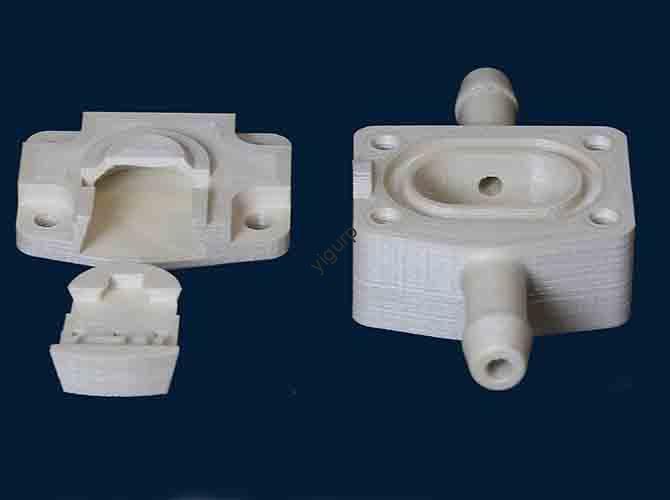
If you are searching for injection molding services in Spain, you likely need high-volume plastic parts for automotive, medical, or consumer goods. Spain’s injection molding industry features over 220 active facilities (Spanish Plastic Industries Association 2024) producing 3.2 million tons of plastic parts annually. This guide covers materials, processes, industry applications, provider selection, and real-world examples to help launch your project successfully.
What Is Injection Molding and Why Choose Spanish Providers?
Injection molding injects molten plastic under high pressure into steel molds to create consistent, high-volume parts. It excels at mass production of 100,000+ parts, offering low per-unit costs and tight tolerances down to ±0.01mm.
Spanish providers offer four key advantages:
Automotive Expertise: Spain is Europe’s third-largest automotive producer (ACEA 2024). A Barcelona provider supplies injection-molded polypropylene door panels to SEAT—producing 200,000 units monthly with a 0.05% defect rate, meeting strict IATF 16949 standards.
Regulatory Compliance: Spanish providers meet European and global standards. A Madrid shop holds ISO 13485 medical certification and produces polycarbonate medical device housings passing biocompatibility tests (ISO 10993) for EU and US hospitals.
Cost and Logistics Benefits: Spain’s location cuts shipping costs and lead times—2–3 day delivery to France, Germany, or Italy versus 2–3 weeks from Asia. Valencia providers quote 12–18% lower prices than German shops for similar polypropylene parts.
Sustainable Practices: Over 65% of Spanish facilities use recycled plastic (Spanish Circular Economy Report 2024). A Bilbao shop uses 100% recycled PET for injection-molded beverage crates, cutting carbon emissions by 55% versus virgin plastic.
What Materials and Processes Do Spanish Providers Use?
| Material | Key Properties | Best For | Avg Spanish Cost (per kg) |
|---|---|---|---|
| Polypropylene (PP) | Lightweight, chemical-resistant, flexible | Automotive parts, packaging | €1.20–€1.80 |
| Polycarbonate (PC) | High impact strength, transparent, heat-resistant | Medical devices, electronics | €2.80–€3.80 |
| ABS | Strong, rigid, easy to paint | Laptop casings, toys, trim | €1.80–€2.50 |
| Nylon (PA) | High tensile strength, wear-resistant | Gears, bearings, components | €3.50–€5.00 |
| TPU | Flexible, rubber-like, durable | Seals, gaskets, phone cases | €4.00–€6.00 |
| Process | How It Works | Key Advantages | Spanish Example |
|---|---|---|---|
| Standard Injection | Molten plastic injected into single or multi-cavity mold | Low per-unit cost, high volume | Zaragoza shop uses 8-cavity molds for ABS phone chargers—400 parts per hour |
| Overmolding | Two materials molded together | Combines rigidity and flexibility | Seville provider overmolds TPU onto PP for tool grips—50,000 units monthly to Bosch |
| Insert Molding | Metal inserts placed before injection | Built-in fasteners | Valencia shop adds metal threads to PC sensor housings for Renault EVs |
Data: Spanish Plastic Federation 2024 Price Index
Unsure about material choice? Ask for a material test kit. Many shops send small samples of different plastics so you can test flexibility, strength, or transparency before committing.
Which Industries Use Injection Molding Most in Spain?
Automotive and EV
Spain’s €90 billion automotive industry (ANFAC 2024) is the biggest injection molding user. A Barcelona provider produces PP EV battery covers for SEAT—these parts are lightweight (1.2kg) and heat-resistant to 120°C. They also make ABS interior trim for Renault’s Spanish factory, producing 150,000 units monthly with zero defects for 18 months.
Medical Devices
Spain’s €28 billion medtech sector relies on injection molding for sterile, biocompatible parts. A Madrid ISO 13485-certified shop produces PC injection-molded syringes for a global pharmaceutical firm—tested for leak resistance with 100% pass rate, meeting FDA and CE standards. They also make TPU seals for surgical instruments compatible with autoclave sterilization.
Consumer Goods and Packaging
Spanish injection molders supply parts to Philips, Coca-Cola, and L’Oréal. A Valencia provider produces PP food containers for Coca-Cola—microwave-safe and recyclable, meeting EU packaging regulations (EU 10/2011). A Seville shop makes ABS hair dryer housings for Philips using 20% recycled ABS to reduce environmental impact.
How to Choose the Right Injection Molding Provider in Spain?
Verify Industry Certifications
For regulated industries, certifications are essential:
- Automotive: IATF 16949 (mandatory for supplying SEAT, Renault, or Ford)
- Medical: ISO 13485 and FDA registration for US-bound parts
- General: ISO 9001 (quality) and ISO 14001 (sustainability)
A Zaragoza provider holds IATF 16949, ISO 9001, and ISO 14001—they supply automotive parts to SEAT and BMW with 99.8% on-time delivery. Avoid shops without certifications: one client hired a non-IATF 16949 shop, leading to a €75,000 recall.
Check Material and Process Capabilities
Not all Spanish shops handle every material or process:
- For medical-grade parts: Choose shops experienced with PC, TPU, or PEEK and ISO 13485 certification
- For overmolded parts: Pick providers with dual-injection machines—only 40% of Spanish shops offer this (2024 Spanish Injection Molding Survey)
- For large parts like dashboards: Look for shops with 500+ ton clamping force machines
A Bilbao shop specializes in large-part injection molding—they have a 1,200-ton machine producing PP automotive bumpers meeting SEAT’s strict specs.
Evaluate Tooling and Lead Times
Tooling costs vary by mold complexity:
- Simple single-cavity mold (small PP part): 4–6 weeks, €5,000–€15,000
- Complex multi-cavity mold (8-cavity ABS): 8–12 weeks, €15,000–€40,000
- Medical-grade mold (PC syringe): 10–14 weeks, €20,000–€50,000
Production lead times: 2–4 weeks for 100,000 parts, 4–8 weeks for 500,000+ parts. Ask about expedited tooling—a Madrid shop offers 3-week rapid tooling for a 25% premium, ideal for startup launches.
Review Past Projects and Client References
Ask for examples similar to yours. For EV parts, choose shops that worked with SEAT or Renault. For medical parts, look for pharmaceutical or medtech references.
Request client references to ask about:
- Quality (defect rates, tolerance adherence)
- Communication (production updates)
- Problem-solving (handling delays or changes)
A Valencia provider shared Philips references—Philips praised their 10% production cost reduction by optimizing mold design for ABS hair dryer housings.
Compare Pricing and Value-Added Services
Get quotes from 3–4 providers, but look beyond price. Value-added services include:
- Tooling maintenance: Some offer free 1–2 year maintenance
- Assembly: Many assemble parts into subassemblies
- Finishing: Painting, printing, or laser engraving in-house
A Zaragoza provider’s quote was 8% higher than a competitor, but free tooling maintenance and assembly saved the client €8,000 annually.
What Trends Are Shaping Spanish Injection Molding?
EV Component Specialization
With Spain’s goal of 5 million EVs by 2030 (Spanish Government 2024 Plan), molders invest in EV-specific tools. A Barcelona shop spent €1.5 million on new molds for PP EV battery covers—supplying 50,000 covers monthly to SEAT, with plans to double capacity by 2025.
Bio-Based and Recycled Plastics
Spanish shops expand eco-friendly material use. A Valencia provider uses 100% bio-based PP (from corn starch) for food containers—compostable and meeting EU green packaging standards. The Spanish Plastic Federation reports 70% of Spanish injection molders will offer bio-based plastics by 2026.
Automation and AI
Many shops automate with robots and AI. A Madrid provider uses robotic arms for part loading/unloading, reducing labor costs by 35% and increasing speed by 20%. AI software monitoring mold temperature has cut defect rates by 40% for PC medical parts.
Micro-Injection Molding
For small, precise parts like medical sensors, Spanish shops adopt micro-injection molding. A Bilbao shop uses micro-machines to produce PP parts as small as 0.1g for glucose monitors with ±0.005mm tolerances.
Conclusion
Spain’s injection molding industry, with 220+ facilities producing 3.2 million tons annually, serves automotive, medical, and consumer goods sectors. Materials range from polypropylene (€1.20–€1.80/kg) to TPU (€4–€6/kg), with processes including overmolding and insert molding. Tooling costs vary from €5,000 for simple molds to €50,000 for medical-grade tools. Choosing the right provider means verifying certifications, checking capabilities, evaluating lead times, reviewing past projects, and comparing value-added services. With trends toward EV specialization, bio-based plastics, automation, and micro-molding, Spanish injection molding continues evolving to meet global manufacturing demands.
FAQ About Injection Molding in Spain
What’s the minimum order quantity for Spanish injection molding?
Most shops require 10,000–50,000 parts for mass production. Some offer low-volume injection molding for 5,000–10,000 parts at higher per-unit cost. For prototypes, ask about 3D printing or vacuum casting capabilities—many Spanish shops offer these.
How much does injection molding tooling cost in Spain?
Small single-cavity molds: €5,000–€15,000. Medium multi-cavity molds: €15,000–€40,000. Medical-grade molds: €20,000–€50,000. Some shops offer tooling leases (€400–€1,500 monthly) to reduce upfront costs.
Can Spanish injection molders handle international shipping?
Yes—most ship to EU countries, the US, and Asia. Shipping times: 2–3 days to EU (Germany, France), 5–7 days to US, and 10–14 days to Asia. A Barcelona shop ships 100,000 PP parts to Germany weekly for €1,200.
What tolerances can Spanish injection molders achieve?
For PP and ABS: ±0.01–0.05mm (small parts), ±0.05–0.1mm (large parts). For high-precision PC and Nylon: ±0.005–0.01mm. These meet automotive (IATF 16949) and medical (ISO 13485) standards.
Do Spanish injection molders offer design support?
Yes. Most have in-house engineers providing DFM (Design for Manufacturability) feedback. A Valencia shop helped a client redesign a PP food container to use 15% less plastic, cutting production costs by 8%. This service is free for large orders of 100,000+ parts.
Discuss Your Projects with Yigu Rapid Prototyping
Ready to start your injection molding project in Spain? Yigu Technology combines global manufacturing expertise with practical support for European businesses. We help automotive suppliers, medical device companies, and consumer goods manufacturers select the right materials and molding partners. Our AI-powered design tools optimize your parts for injection molding—reducing material usage and speeding up production. We connect you with vetted Spanish providers holding IATF 16949, ISO 13485, or ISO 9001 certifications matching your industry requirements. From tooling design to production and assembly, our team reviews your designs for manufacturability and ensures compliance with EU regulations. Contact Yigu Rapid Prototyping today to discuss your injection molding needs and discover how we can help you manufacture efficiently, sustainably, and cost-effectively in Spain.