
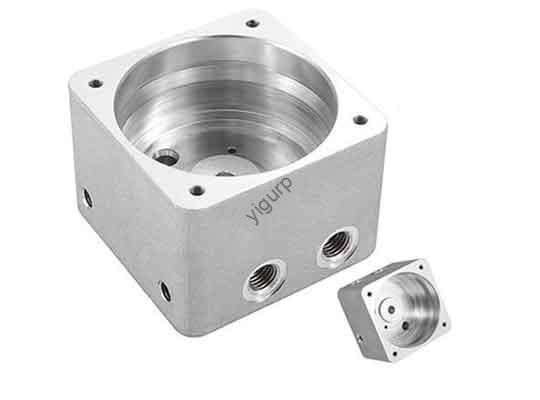
If you are looking for reliable die casting services in Singapore, you will find a well-established manufacturing ecosystem with experienced providers, advanced technology, and strict quality standards. Singapore’s die casting companies serve electronics, automotive, and medical device industries with precision, efficiency, and global regulatory compliance. This guide covers processes, provider selection, trends, and real-world examples to help you make informed decisions.
What Are the Key Die Casting Processes Used in Singapore?
Hot Chamber Die Casting
This process works best for low-melting-point metals like zinc, magnesium, and lead alloys. The metal stays molten in a furnace attached directly to the machine. A plunger pushes molten metal into the die cavity quickly, achieving 15 to 30 parts per minute production cycles.
Real-World Example: A leading Singaporean electronics manufacturer uses hot chamber die casting to produce zinc alloy phone casings. This method reduced production time by 40% compared to other processes while maintaining ±0.05mm tolerances. Small, consistent parts are essential for electronics functionality.
Cold Chamber Die Casting
For high-melting-point metals such as aluminum, copper, and brass, cold chamber die casting is the standard. Molten metal is poured into a separate cold chamber before being pushed into the die. Cycle times run 5 to 15 parts per minute, but the process handles high heat without machine damage.
Industry Data: According to the Singapore Manufacturing Federation (SMF), aluminum die casting accounts for over 60% of all die casting projects in Singapore. Aluminum is lightweight, corrosion-resistant, and cost-effective—perfect for automotive components and aerospace parts.
Semi-Solid Metal Die Casting
This advanced process uses metal that is partially solid and partially liquid. The “slushy” metal flows smoothly into the die, reducing defects like porosity and improving part strength. It suits high-performance parts where durability is critical, such as medical equipment or automotive safety components.
Why Singapore Excels: Singaporean companies were early adopters of SSM technology. A local medical device firm used SSM die casting for magnesium alloy surgical tools. The process yielded parts with 25% higher tensile strength than traditional die casting, meeting strict ISO 13485 medical standards.
How to Choose the Right Die Casting Partner in Singapore?
Industry Experience and Specialization
Look for die casters with experience in your specific industry. Automotive parts require providers familiar with strict IATF 16949 standards and major car brands.
Case Study: A Singapore-based automotive supplier needed aluminum alloy transmission housings. They chose a company with 15 years of automotive experience that already handled complex designs with thin walls and multiple holes. Result: Zero defects in the first batch, delivered two weeks ahead of schedule. Specialization helps anticipate needs and avoid costly mistakes.
Quality Certifications and Compliance
Reputable Singaporean providers hold international certifications:
- ISO 9001: General quality management
- IATF 16949: Automotive parts
- ISO 13485: Medical devices
- RoHS and REACH: Global environmental compliance (critical for EU and US markets)
Don’t Skip This Step: A small electronics company partnered with a non-certified die caster to save costs. When parts failed RoHS testing, they scrapped 5,000 units costing over SGD 20,000. Always verify certification documents.
Technology and Equipment
Advanced technology directly impacts precision, speed, and cost. Top Singaporean die casters use:
- CNC machines for post-casting finishing, ensuring tight tolerances
- 3D modeling and simulation software to test die designs before production, reducing defect risk
- Automated production lines for consistent quality and faster turnaround
Example: A Singapore die casting firm invested in 3D simulation software. For a client’s complex magnesium alloy part, the software identified a potential flow issue in the die design. Fixing it before production cut the defect rate from 8% to 0.5%—saving time and money.
Cost Transparency and Lead Times
Don’t choose the cheapest option. Look for clear, detailed quotes with no hidden fees and realistic lead times. Most Singaporean die casters deliver standard parts in 2 to 4 weeks, with complex projects taking 6 to 8 weeks.
Tip: Ask for cost breakdowns covering material, labor, and tooling. Reputable companies are honest if they cannot meet your deadline—better to wait than accept rushed, low-quality parts.
What Trends Are Shaping Die Casting in Singapore?
Sustainability and Eco-Friendly Practices
Singaporean die casters adopt greener methods as global focus on carbon reduction grows:
- Recycling scrap metal: Most companies recycle 95% or more of aluminum and zinc scrap, reducing waste and material costs
- Energy-efficient machines: New machines use 30% less energy than older models, supporting Singapore’s net-zero by 2050 goal
- Water-based coolants: Replacing oil-based options to reduce environmental impact and improve workplace safety
Data Point: SMF reports that 80% of Singapore’s die casting companies have implemented at least one sustainability initiative in the past two years. This benefits the planet and makes products more attractive to eco-conscious customers.
Integration of Automation and AI
Automation is becoming standard. Robots handle metal loading, part removal, and defect inspection. AI applications include:
- Predicting machine maintenance needs, reducing downtime by up to 25%
- Optimizing production parameters like temperature and pressure for better quality
- Tracking inventory in real time, ensuring material availability
Example: A large Singapore die casting company uses AI-powered vision systems to inspect parts. The system detects defects as small as 0.01mm—faster and more accurately than human inspectors—reducing quality control time by 60%.
Growth in High-Performance Alloys
Demand rises for stronger, lighter, more durable alloys in automotive and aerospace. Singaporean die casters now work with:
- Aluminum-Silicon-Magnesium: For lightweight automotive parts that withstand high temperatures
- Magnesium-Lithium: The lightest structural metal for aerospace components reducing fuel consumption
- Copper-Chromium-Zirconium: For high-conductivity parts in electronics and electric vehicles
Why This Matters: As EV adoption grows (Singapore aims for all new cars to be electric by 2030), demand for die-cast EV parts like battery housings will skyrocket. Working with providers specializing in these alloys future-proofs your projects.
Conclusion
Singapore’s die casting industry offers established expertise across hot chamber, cold chamber, and semi-solid metal processes. Aluminum dominates with over 60% of projects, serving electronics, automotive, and medical sectors. Choosing the right partner means verifying industry experience, certifications like ISO 9001 or IATF 16949, advanced technology adoption, and cost transparency. With trends toward sustainability, automation, and high-performance alloys, Singaporean die casters continue evolving to meet global manufacturing demands. Lead times range from 2 to 4 weeks for standard parts to 6 to 8 weeks for complex projects, balancing quality and efficiency.
FAQ About Die Casting in Singapore
What materials are most commonly used in Singapore’s die casting industry?
Aluminum is most popular at over 60% of projects, followed by zinc and magnesium. Aluminum’s lightweight, corrosion-resistant properties suit automotive, electronics, and aerospace parts.
How much does die casting in Singapore cost compared to other countries?
Singapore’s services are generally 15-20% higher than Southeast Asian countries like Malaysia or Thailand. Higher costs are offset by better quality, faster lead times, and global compliance—reducing defect and delay risks.
Can Singaporean die casters handle small-batch production?
Yes. Most handle both small and large batches. For small orders of 100-500 parts, many offer “rapid die casting” with shorter tooling lead times. For large orders of 10,000+ parts, automated lines keep costs low.
What certifications should I look for in a Singaporean die caster?
Start with ISO 9001 for general quality. For specific industries: IATF 16949 (automotive), ISO 13485 (medical), and RoHS/REACH (environmental compliance). Always verify certifications—reputable companies provide copies on request.
How long does a typical die casting project take in Singapore?
Standard projects with simple parts and existing tooling take 2-4 weeks. Complex projects with custom tooling and high-performance alloys take 6-8 weeks. Some companies offer expedited services for urgent orders at additional cost.
Discuss Your Projects with Yigu Rapid Prototyping
Ready to start your die casting project in Singapore? Yigu Technology combines global manufacturing expertise with practical support for businesses worldwide. We help electronics manufacturers, automotive suppliers, and medical device companies select the right die casting processes and partners. Our AI-powered design tools optimize your parts for die casting—reducing defects and speeding up production. We connect you with vetted Singaporean providers holding ISO 9001, IATF 16949, or ISO 13485 certifications matching your industry requirements. From material selection to finishing and assembly, our team reviews your designs for manufacturability and ensures compliance with global regulations. Contact Yigu Rapid Prototyping today to discuss your die casting needs and discover how we can help you manufacture precision parts efficiently, sustainably, and cost-effectively in Singapore.