
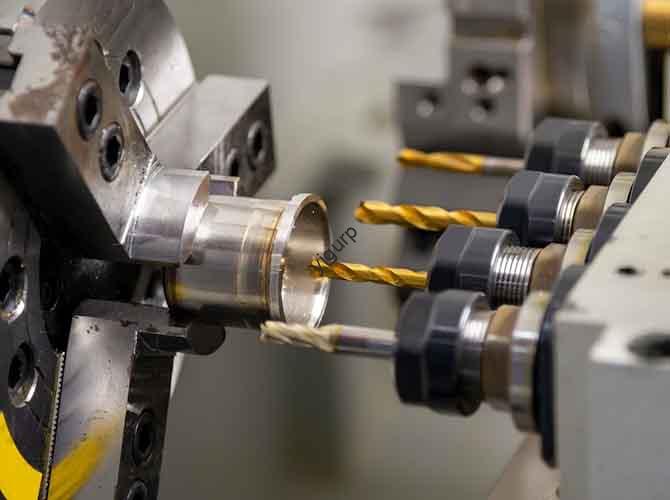
If you are looking for reliable, high-quality CNC machining services in Singapore, you have come to the right place. Singapore’s CNC machining industry is a top-tier choice for precision manufacturing, thanks to advanced technology, strict quality standards, and access to a skilled workforce. Whether you need prototype parts or mass production, Singapore offers solutions meeting global industry benchmarks. This guide covers everything you need to make informed decisions about CNC machining in the country.
What Exactly Is CNC Machining and How Does It Work in Singapore?
CNC (Computer Numerical Control) machining uses computer programs to control machine tools that cut, shape, and form materials like metal, plastic, and wood with extreme precision. Unlike manual machining relying on human operators, CNC systems follow pre-programmed designs, ensuring consistency and accuracy even for complex parts.
In Singapore, local shops use state-of-the-art equipment such as 3-axis, 4-axis, and 5-axis CNC mills and lathes. A 5-axis CNC machine can rotate a part along five different axes simultaneously, allowing creation of complex components used in aerospace and medical devices.
Real-World Case: A Singapore-based medical device company used CNC machining to produce tiny, precision parts for a new surgical tool. The parts required tolerances as small as 0.001mm—something only advanced CNC machines in Singapore could consistently achieve. This precision is why global companies choose Singapore for critical components.
What Are the Key Advantages of Choosing CNC Machining in Singapore?
Unmatched Precision and Quality Control
Singapore’s manufacturing sector maintains strict quality standards. Most local shops hold international certifications like ISO 9001 for quality management and ISO 13485 for medical devices. According to the Singapore Manufacturing Federation (SMF), over 80% of CNC machining firms in Singapore hold at least one international quality certification—far higher than the global average of 65%.
Fast Turnaround Times
Singapore’s strategic location and efficient supply chains enable quick delivery. Many shops offer rapid prototyping services where simple parts can be produced in 24 to 48 hours. A local electronics company needed 50 prototype circuit board housings for a product launch. Their chosen CNC shop delivered the parts in 36 hours, helping them meet their deadline.
Access to Skilled Talent
Singapore invests heavily in technical education, ensuring a steady supply of skilled CNC operators and engineers. The Institute of Technical Education (ITE) and polytechnics offer specialized courses in CNC machining, giving workers knowledge to operate advanced equipment. This means fewer errors, faster production, and better results for your project.
How to Choose the Right CNC Machining Partner in Singapore?
Define Your Project Requirements Clearly
Before contacting shops, know exactly what you need:
- Material (aluminum, stainless steel, plastic)
- Part design (provide 3D CAD files if possible)
- Tolerance requirements
- Production volume (prototype, small batch, mass production)
- Deadline
Clear details help shops give accurate quotes and avoid misunderstandings.
Check Their Experience and Specializations
Not all CNC shops are the same—some specialize in certain industries or materials. A shop focusing on aerospace parts may not suit a simple plastic prototype. Ask for examples of past projects similar to yours. A good shop shares case studies or references.
For oil and gas parts, look for experience with corrosion-resistant materials like Inconel. One Singapore shop has worked with major oil companies on valve components, understanding industry demands.
Evaluate Their Equipment and Technology
Machine quality directly affects part quality. Ask about equipment types (3-axis versus 5-axis) and maintenance frequency. Shops investing in new technology like AI-powered quality control systems deliver more consistent, high-quality results.
Compare Quotes, But Don’t Just Choose the Cheapest
Price matters, but shouldn’t be the only factor. A low quote might mean corners cut on materials or quality. Compare quotes based on value—what you get for your money. Look for shops offering transparent pricing with no hidden fees that explain how they arrived at the quote.
Ask About Post-Machining Services
Many projects require additional services like painting, plating, or assembly. Choosing a shop offering these services in-house saves time and money. For metal parts needing smooth finishes, a shop providing anodizing handles the entire process so you don’t work with multiple vendors.
What Common Materials Are Used in CNC Machining in Singapore?
| Material Type | Common Examples | Typical Applications |
|---|---|---|
| Metals | Aluminum, Stainless Steel, Brass, Titanium, Inconel | Aerospace parts, medical devices, automotive components, electronics |
| Plastics | Acrylic, Polycarbonate, PEEK, Nylon | Prototypes, consumer goods, medical tools |
| Composites | Carbon Fiber, Fiberglass | High-strength lightweight parts for aerospace and sports equipment |
Case in Point: A Singaporean drone manufacturer uses carbon fiber composites for drone frames. CNC machining allows lightweight, strong frames that withstand harsh weather conditions—difficult with traditional materials like aluminum.
Which Key Industries Rely on CNC Machining in Singapore?
Aerospace
Singapore is a major aerospace hub with companies like Rolls-Royce and Boeing having facilities here. CNC machining produces critical parts like turbine blades and engine components requiring extreme precision and durability. According to the Civil Aviation Authority of Singapore (CAAS), the aerospace sector accounts for over 30% of all CNC machining orders in the country.
Medical Devices
The medical industry demands parts that are precise and biocompatible—safe for human body use. CNC shops produce parts for surgical tools, implants, and diagnostic equipment. A local medical company uses CNC-machined titanium parts for hip implants—titanium chosen for strength and compatibility with human bone.
Electronics
Singapore’s electronics industry, home to companies like Samsung and Micron, relies on CNC machining for parts like circuit board housings and connectors. These parts need to be small, precise, and consistent—qualities CNC machining excels at.
Automotive
While Singapore lacks large domestic automotive manufacturing, it produces high-performance parts for luxury and racing cars. CNC machining creates custom engine parts and suspension components that enhance performance.
What Current Trends Shape Singapore’s CNC Machining Industry?
Automation and AI Integration
More shops use automation like robotic arms to load and unload parts, reducing human error and increasing efficiency. AI performs quality control—systems scan parts in real-time detecting defects, ensuring only perfect parts are delivered. A leading CNC shop implemented an AI-powered system that reduced defect rates by 40%.
Sustainability
Singapore commits to reducing carbon footprint, and the CNC machining industry follows. Shops use more eco-friendly materials like recycled metals and adopt energy-efficient machines. Some use coolant recycling systems to reduce waste—coolant keeps machines cool during machining, and recycling cuts water and chemical use.
On-Demand Manufacturing
With e-commerce and rapid product development rising, demand grows for on-demand CNC machining. Shops produce small batches quickly without large upfront orders. This benefits startups and small businesses that cannot afford mass production.
Conclusion
Singapore’s CNC machining industry offers precision, speed, and quality across aerospace, medical, electronics, and automotive sectors. With over 80% of firms holding international certifications, advanced equipment including 5-axis machines, and skilled technical talent, it delivers parts meeting global standards. Materials range from aluminum and titanium to carbon fiber composites. Choosing the right partner means defining requirements clearly, checking experience, evaluating equipment, comparing quotes for value, and considering post-machining services. With trends toward automation, sustainability, and on-demand manufacturing, Singapore’s CNC machining continues evolving to meet modern production demands.
FAQ About CNC Machining in Singapore
How much does CNC machining cost in Singapore?
Costs vary by material, part complexity, and production volume. Simple plastic prototypes range from $50–$200. Complex metal parts for aerospace can cost $500 or more. Always get detailed quotes including material and post-machining costs.
How long does it take to get CNC machined parts in Singapore?
Prototypes take 24–48 hours with rapid prototyping services. Small batches of 10–100 parts take 1–2 weeks. Mass production of 1,000+ parts takes 2–4 weeks. Discuss deadlines with shops to ensure they can meet them.
Do I need to provide a 3D design for CNC machining?
Yes. Most shops require a 3D CAD file (STEP or IGES format) to program the CNC machine. If you don’t have a design, some shops offer design services for additional fees.
Are there minimum order quantities for CNC machining in Singapore?
No. Many shops offer low or no MOQs, making them ideal for prototypes or small batches. However, larger orders may qualify for volume discounts.
How can I ensure quality of CNC machined parts from a Singapore shop?
Ask for quality certifications like ISO 9001, request samples of past work, and inquire about quality control processes. Some shops offer inspection reports like CMM reports to verify part accuracy.
Discuss Your Projects with Yigu Rapid Prototyping
Ready to start your CNC machining project in Singapore? Yigu Technology combines global manufacturing expertise with practical support for businesses worldwide. We help aerospace suppliers, medical device companies, electronics manufacturers, and automotive firms select the right CNC processes and partners. Our AI-powered design tools optimize your parts for machining—reducing waste and speeding up production. We connect you with vetted Singaporean providers holding ISO 9001, ISO 13485, or AS9100 certifications matching your industry requirements. From material selection to finishing and assembly, our team reviews your designs for manufacturability and ensures compliance with international standards. Contact Yigu Rapid Prototyping today to discuss your CNC machining needs and discover how we can help you manufacture precision components efficiently, sustainably, and cost-effectively in Singapore.