
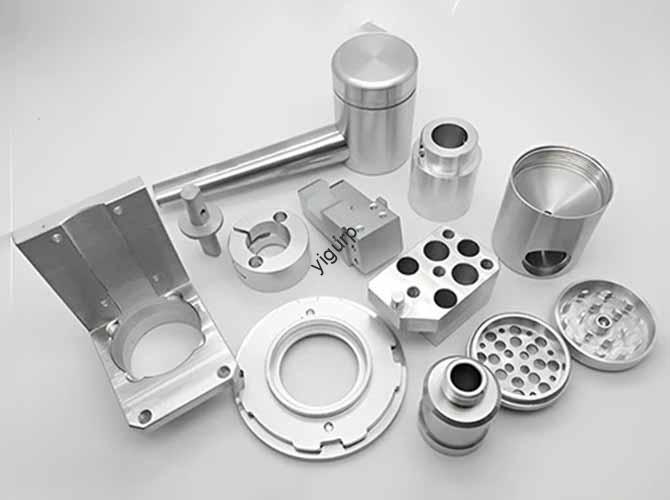
Introduction
Zinc alloy die casting loss eats away 15–35% of your material budget every year. That scrap, runners, flash, and defective parts add up fast. For a shop producing one million zinc phone frames annually, cutting loss by just 5% saves over $50,000. But where does all this material go? Why do some operations waste far more than others? And what practical steps actually reduce loss without hurting quality? This article breaks down the real causes of zinc alloy die casting loss and gives you proven strategies to plug the leaks in your production line.
What Is a Typical Loss Rate for Zinc Die Casting?
Loss benchmarks by operation type
Not every die casting shop loses material at the same rate. Your loss depends heavily on management quality, equipment age, and part complexity. Here is how different scenarios compare:
| Production Scenario | Loss Rate Range | What Characterizes This Operation |
|---|---|---|
| High-Quality Management | Under 20% | Precision molds, CNC machining, real-time monitoring, 100% X-ray inspection |
| Normal Working Conditions | 20–30% | Semi-automated equipment, standard molds, basic visual checks only |
| Complex or Inefficient | Over 35% | Old hydraulic presses, complex thin-wall parts, experience-based adjustments |
| Theoretical Minimum | Around 10% | Ideal conditions with no defects, optimized runners, zero errors |
What drives these differences
High-end 3C product manufacturers running zinc alloy laptop hinges achieve under 20% loss through precision control. Household hardware producers making faucet handles with semi-automated lines sit in the 20–30% range. Custom industrial component shops with old equipment and complex parts often exceed 35% loss. The gap between best and worst performers represents hundreds of thousands in potential savings.
Where Does the Material Actually Go?
Breaking down the loss categories
To fix loss, you must first understand where your material disappears. Here is how typical zinc alloy die casting loss breaks down by category:
| Loss Type | Share of Total | How It Happens |
|---|---|---|
| Gating System Residue | 8–12% | Runners and sprues solidify and get trimmed off |
| Flash Burrs | 5–8% | Metal leaks at parting lines or ejector pins |
| Trial and Debugging | 3–5% | Test shots for new molds get scrapped |
| Surface Treatment | 2–4% | Shot blasting removes surface material |
| Random Disruptions | 2–3% | Power outages or jams waste metal |
The gating system is your biggest target
Runners and gates account for the largest single chunk of loss—8–12% of total material. Traditional systems use 20–30% of all metal just to fill the channels leading to the part. This material gets recycled, but each remelting cycle adds cost and quality risks.
Flash adds up fast
Flash forms when molten metal squeezes into gaps at parting lines, ejector pins, or slider mechanisms. A gap of just 0.05mm creates visible flash. Each additional parting surface in complex molds increases flash risk by 20–30%. For multi-slider parts, flash can hit 8% of total material.
How Does Product Design Drive Loss?
Geometric complexity multiplies waste
Complex shapes with special contours or multi-slider mechanisms force more parting surfaces. Every parting line creates flash potential. Parts requiring thin walls under 1mm need higher injection pressure, which increases flash and turbulence. A complex sensor housing might lose 5–10% more material than a simple block shape.
Wall thickness variation creates hidden loss
Local thick sections over 5mm cool slower than surrounding thin walls. This difference creates shrinkage cavities that scrap parts or require larger risers to feed metal during solidification. Those risers add 3–5% static material loss plus another 2–3% when you cut them off.
Machining allowances waste good metal
Traditional die casting leaves 0.5–1mm of material on critical surfaces for machining. That material gets cut away and turned into chips. For a part weighing 100 grams, machining allowance can waste 8–15 grams. Precision die casting eliminates this loss entirely by holding tolerances of ±0.05mm right from the mold.
What Process Control Issues Increase Loss?
Injection system problems
Your runner design directly controls how much metal becomes permanent waste. Runners with cross-sections over 10mm² use excessive material. Injection speed matters too—too fast creates turbulence and porosity, too slow causes cold shuts. Both increase scrap rates.
Modern solutions include hot runner systems that keep metal molten in the channels, cutting gate residue by 40%. Controlling gate speed at 30–50 meters per second with proper exhaust plugs prevents defects while minimizing runner size.
Temperature control failures
Zinc alloys have a narrow 420–450°C sweet spot for pouring. Drop below 420°C and you get cold shuts—visible lines where metal failed to fuse, scrapping 3% more parts. Go above 450°C and oxidation increases, wasting 2% of material to dross.
Mold temperature matters equally. A temperature gradient over 10°C across the mold creates uneven solidification. Thicker sections stay hot while thin sections freeze, creating internal stresses and shrinkage. This adds 3–8% loss from porosity defects.
Release mechanism issues
Poor ejector pin design causes part deformation during ejection, increasing scrap by 5%. Excessive release agent creates surface defects that require rework or scrapping, adding 3–5% loss. High-precision beveled thimbles with self-lubricating coatings reduce deformation by 70%. Automatic spray systems holding 5–8μm coating thickness eliminate over-spray waste.
How Do Equipment and Operations Contribute?
Worn injection systems
A punch with eccentricity over 0.1mm from wear creates uneven metal flow. This increases porosity defects and flash formation. For a 100,000-part run, worn injection components waste 500–1,200kg of zinc alloy beyond normal levels. That is pure profit disappearing.
Clamping force problems
Insufficient clamping lets the mold open slightly during injection. Molten metal shoots out through the gap in what operators call “flying material.” Each incident wastes 2–5kg of alloy and stops production for 10–15 minutes of cleanup. Servo-driven clamping systems holding accuracy within ±1% eliminate this loss.
Manual handling damage
Operators removing hot parts by hand inevitably drop some or damage them with tools. Manual extraction adds 7% secondary damage loss from parts that looked good coming out of the mold but get scrapped before packaging. Robotic pick-up arms cut this loss by 70%.
Random disruptions
Power outages lasting just seconds let metal solidify in the injection chamber and gooseneck. Clearing that 5–10kg of solidified alloy takes 30–45 minutes and scraps the material. UPS backup power systems prevent this loss entirely. Quick-mold-change systems reduce jamming-related waste by 60%.
What Does a Real Loss Reduction Plan Look Like?
Step 1: Diagnose your specific loss nodes
Start by tracking material flow with RFID chips on each batch. Record weight at melting, injection, trimming, and final inspection. You will quickly see where loss concentrates. Focus first on parts over 50 grams with loss rates above 30% —these offer the biggest savings opportunities.
Step 2: Prioritize high-impact improvements
Pouring system upgrades deliver the fastest returns. Hot runner systems cut gate residue by 40%. Vacuum die casting reduces porosity scrap by up to 90%. Together, these changes can lower total loss by 5–8% within weeks.
Temperature and exhaust improvements add another 3–5% reduction. Slotted exhaust plugs at 0.8–1.2mm eliminate air entrapment. Dual-circuit cooling maintains mold temperature gradient under 5°C, preventing shrinkage defects.
Automation stops the hidden losses. Robotic extraction cuts secondary damage by 70%. Real-time pressure monitoring keeps injection parameters within ±5% of target, preventing flash and short shots.
| Improvement | Loss Reduction | Time to Result |
|---|---|---|
| Hot runner system | 5–8% | 1–2 months |
| Vacuum die casting | 3–5% | 2–4 weeks |
| Temperature control | 3–5% | 2–4 weeks |
| Robotic extraction | 2–3% | 2–4 weeks |
| Pressure monitoring | 2–4% | 1–2 months |
Step 3: Monitor and sustain gains
Generate monthly loss reports tracking progress against baseline. Hold teams accountable for specific metrics—“gating loss reduced from 12% to 8%” rather than vague goals.
Build a graded recycling system to protect quality while reusing material. Primary return material with no contamination can go back at 85% proportion with nitrogen protection. Secondary crushed material needs magnetic separation and should go into prefabricated ingots only.
How Much Can You Really Save?
A medium-sized shop producing 500 tons of zinc alloy parts annually at 28% loss currently wastes 140 tons of material. At $2.50 per kg alloy price, that is $350,000 in wasted metal yearly.
Cutting loss to 18% through the measures above saves 50 tons of material—$125,000 annually. Equipment upgrades might cost $80,000–120,000, paying back in under a year. Then those savings continue year after year.
For a high-volume 3C manufacturer running 1,000 tons annually, the numbers get even bigger. Dropping from 25% to 15% loss saves 100 tons—$250,000 per year. That is real money dropping straight to the bottom line.
Industry Experience: What Actually Works
I have watched dozens of die casting shops try to cut loss over twenty years in this industry. The ones who succeed share common traits. They measure before they act, targeting specific loss categories rather than vague improvement goals. They invest in hot runner systems and vacuum assist before buying new machines. They automate handling before chasing exotic process tweaks.
One phone frame manufacturer cut loss from 28% to 18% in six months. They started with MAGMAsoft simulation to optimize runner design, cutting gate residue by 40%. Next came robotic extraction, eliminating damaged parts. Finally, AI pressure control stabilized the process, reducing flash and short shots. Total savings: 12,000kg of zinc alloy yearly.
A hardware producer making faucet handles took a different path. Their 32% loss came mostly from flash and surface defects. Dual-circuit cooling balanced mold temperature, cutting flash by 60%. Automated spray systems eliminated release agent waste. Robotic pick-up arms stopped secondary damage. Final loss: 22%—a 10-point improvement with no new machines.
The common thread? Both shops diagnosed first, then targeted specific loss categories with proven solutions. They did not try to fix everything at once.
Conclusion
Zinc alloy die casting loss is not inevitable—it is manageable waste that directly impacts your profitability. Understanding where material goes—gating systems, flash, defects, handling damage—lets you target the biggest savings opportunities first. Hot runner systems, vacuum assist, temperature control, and automation each deliver measurable reductions. A systematic approach of diagnosis, prioritized improvement, and ongoing monitoring typically cuts loss by 10–15 percentage points within a year. For most shops, that represents hundreds of thousands in annual savings with payback measured in months, not years.
Frequently Asked Questions
Why does my loss rate jump when running high-strength zinc alloys like ZA-8?
High-strength alloys contain more aluminum, which reduces fluidity. Poor flow increases cold shut defects by 3% and requires larger runners, adding 2–7% more gate residue. Raise pouring temperature to 440–460°C and use vacuum assist to maintain flow without extra material.
Can I really eliminate machining allowance loss completely?
Yes, with precision die casting holding ±0.05mm tolerances and surface finish of Ra 1.6–3.2μm. Many 3C products and hardware items need no machining with this quality. Our laptop hinges run at zero machining allowance, saving 12% material versus traditional processes.
How fast can I expect results from loss reduction efforts?
Quick wins like runner optimization and robotic extraction show in 2–4 weeks with 5–8% reduction. Hot runner systems and simulation take 1–2 months for 8–12% improvement. Full automation and AI control deliver 15–20% reduction in 3–6 months. ROI typically comes within one year.
Does recycling scrap material affect quality?
Only if you do it wrong. Clean primary runners and gates can go back at 85% proportion with nitrogen protection to keep gas content under 15ppm. Secondary material needs magnetic separation to remove iron, then goes into prefabricated ingots. Proper grading prevents contamination that causes defects.
What is the single most effective loss reduction measure?
Hot runner systems deliver the biggest single improvement for most shops. They eliminate 90% of gate residue, cutting total loss by 5–8% immediately. Combined with vacuum die casting, you get another 3–5% from reduced porosity scrap.
How do I convince management to invest in loss reduction?
Show them the math. A 5% loss reduction on 500 tons annual volume saves $62,500 at current alloy prices. Equipment paying back in under a year delivers better ROI than most capital investments. Frame it as profit improvement, not cost reduction.
Discuss Your Projects with Yigu Rapid Prototyping
Ready to plug the profit leaks in your zinc die casting operation? At Yigu Rapid Prototyping, we combine MAGMAsoft simulation, hot runner technology, and AI-driven process control to cut loss rates by 10–15 points. Our engineers diagnose your specific loss nodes, then implement proven solutions tailored to your parts and volume. Whether you need help optimizing an existing line or developing new precision components, we deliver measurable results. Contact our team today to discuss your loss reduction goals and receive a detailed analysis of your savings potential.