
Introduction
The aerospace industry demands perfection. A part that fails in a car might mean a repair. A part that fails in an aircraft can cost lives. This is why aerospace CNC machinists hold one of the most critical jobs in modern manufacturing. They create components for engines, airframes, and avionics using exotic materials like titanium, Inconel, and high-grade stainless steel. Tolerances often shrink to ±0.0001 inches—about one-tenth the width of a human hair.
If you are exploring a career as an aerospace CNC machinist, planning to hire one, or looking to advance in this field, you need clear answers. What exactly does this job involve? What skills separate the best from the rest? How much can you earn? This guide covers everything you need to know, drawing from real industry experience and current data.
What Is an Aerospace CNC Machinist?
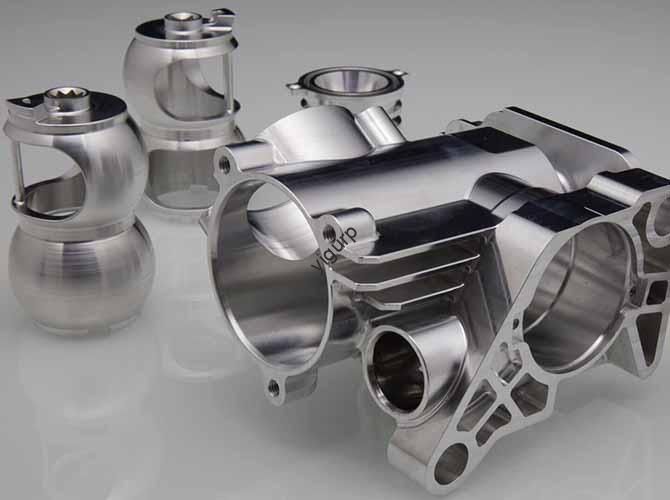
An aerospace CNC machinist is a skilled professional who operates computer-controlled machines to make precision parts for aircraft and spacecraft. These parts range from tiny sensor housings to massive structural components that hold engines in place.
What sets aerospace machinists apart from general machinists? Three things stand out:
Materials: You will work with titanium, Inconel (a superalloy that stays strong at extreme temperatures), and advanced composites. These materials fight back during machining. They generate heat quickly. They wear down tools fast. They cost a fortune to replace if you make a mistake.
Tolerances: General machining often works to ±0.005 inches. Aerospace machining routinely requires ±0.0001 inches or tighter. At this level, temperature changes in the shop can affect measurements. A part that passes inspection at 8 AM might fail at 2 PM if the shop warms up.
Standards: Every part must meet AS9100 requirements, the aerospace quality standard. This means complete traceability. You document every step, every tool change, every inspection result. If a part fails years later, investigators need to know exactly how it was made.
According to the Bureau of Labor Statistics, the U.S. aerospace manufacturing sector employs over 400,000 workers. Aerospace CNC machinists make up about 15% of that workforce. Demand is growing at 8% through 2034, faster than most jobs. Companies like SpaceX, Blue Origin, and traditional aircraft manufacturers drive this growth with new projects and technologies.
What Does an Aerospace CNC Machinist Do Every Day?
Setting Up and Running Machines
The day starts with reviewing CAD models and CNC programs. You load the program into the machine, install the correct cutting tools, and position the raw material. You check that everything is calibrated correctly. A small error in setup can scrap a $10,000 titanium forging in minutes.
Precision Machining
Once the machine runs, you monitor the process closely. Aerospace materials behave differently than common metals. Titanium work-hardens if you let the tool rub instead of cut. Inconel retains heat and can melt cutting edges if coolant flow is insufficient. You watch for signs of trouble—unusual sounds, chip color changes, vibration—and adjust parameters as needed.
Quality Control
After machining, you inspect every critical dimension. You might use a coordinate measuring machine (CMM) , micrometers, or optical comparators. Results must fall within tolerance and be documented for traceability. If something is off, you determine whether the part can be reworked or must be scrapped.
Tool Maintenance and Troubleshooting
Cutting tools wear out, especially when cutting aerospace alloys. You monitor tool life and change tools before they fail. When problems arise—poor surface finish, chatter marks, dimensional drift—you diagnose the cause. Is the tool dull? Is the program wrong? Is the material inconsistent?
Working with the Team
You do not work alone. Engineers rely on your feedback to improve designs for manufacturability. Quality teams share inspection data. Production planners coordinate schedules. Clear communication keeps everything moving.
Real Example from the Shop Floor
At Yigu Technology’s aerospace division, a machinist recently tackled a titanium engine bracket for a commercial jet. The tolerance was ±0.0002 inches with an 8 Ra surface finish requirement. Titanium tends to work-harden, so the machinist worked with engineering to optimize the tool path. They selected a TiAlN-coated carbide end mill and used high-pressure coolant to control heat. After machining, a CMM inspection confirmed all dimensions. The part met AS9100 requirements and shipped on schedule. This is routine work for an aerospace CNC machinist.
What Skills Do You Need to Succeed?
Technical Skills That Matter
CNC Programming: You must understand G-code and M-code fluently. You should be comfortable with CAD/CAM software like Mastercam, Fusion 360, or Siemens NX. Multi-axis machining (4-axis and 5-axis) is common in aerospace, so experience there gives you an edge.
Material Knowledge: You need deep understanding of how titanium, Inconel, stainless steel, and composites behave during cutting. Each material has different cutting speeds, feed rates, and tool wear characteristics. Knowing this keeps parts good and tools lasting longer.
Precision Measurement: Using CMMs, micrometers, calipers, and optical comparators accurately is essential. You must interpret measurement data and understand what it means for part quality.
Process Optimization: The best machinists constantly improve. They adjust cutting parameters, select better tools, and refine programs to reduce cycle time while maintaining quality.
Quality Standards: Familiarity with AS9100 and ISO 9001 is non-negotiable. You must understand traceability requirements and document your work properly.
Soft Skills That Separate Good from Great
Attention to Detail: When tolerances shrink to ±0.0001 inches, small mistakes become big problems. You must notice what others might miss.
Problem-Solving: Machines break. Tools wear. Materials act unpredictably. You need to diagnose issues quickly and implement fixes without losing production time.
Clear Communication: You will explain machining challenges to engineers, coordinate with quality teams, and update production planners. Being able to communicate clearly prevents misunderstandings.
Safety Awareness: Aerospace machining involves heavy equipment, sharp tools, and hazardous materials. Following safety protocols protects you and your colleagues.
Adaptability: New materials, new machines, and new technologies appear regularly. The willingness to learn keeps you valuable.
How Much Do Aerospace CNC Machinists Earn?
Salary Comparison: Aerospace vs General Machining
The specialized nature of aerospace machining commands higher pay. Here is current data for the U.S. market:
| Metric | Aerospace CNC Machinist | General CNC Machinist | Difference |
|---|---|---|---|
| Average Hourly Rate | $32.50 | $24.75 | 31.3% |
| Annual Salary | $67,600 | $51,480 | 31.3% |
| Salary Range | $52,000 – $89,500 | $38,000 – $68,000 | 36.8% (top end) |
| Top Regions (Hourly) | Los Angeles: $38.25 | Detroit: $28.50 | 34.2% |
| Seattle: $36.75 | Chicago: $27.25 | 34.9% | |
| Houston: $35.50 | Dallas: $26.50 | 34.0% |
What Top Employers Pay
Major aerospace companies pay premium rates for skilled machinists:
- SpaceX: $42.50 per hour average
- Boeing: $37.75 per hour average
- Lockheed Martin: $36.50 per hour average
Compare this to general manufacturing: Ford pays around $25.50 and GM around $24.75. The gap reflects the higher skills and stakes in aerospace work.
Beyond base pay, aerospace machinists often receive overtime, performance bonuses, and strong benefits packages. Those with specialized skills like 5-axis machining or composite experience can command even higher rates.
How Do You Become an Aerospace CNC Machinist?
Step 1: Get Proper Training
You do not need a four-year college degree, but you do need solid training. Several paths work:
Vocational or Technical Schools: One to two year programs teach CNC operation, programming, and measurement. Look for programs with aerospace-focused courses covering exotic materials and quality standards.
Community College Degrees: A two-year associate degree in Manufacturing Technology or CNC Machining includes more advanced work in CAD/CAM, metallurgy, and quality control.
Apprenticeships: Four to five year programs combine paid on-the-job training with classroom instruction. Many aerospace manufacturers sponsor apprenticeships, giving you direct industry experience while you learn.
Focus on courses covering CNC programming, CAD/CAM software, aerospace metallurgy, precision measurement, and quality management systems like AS9100.
Step 2: Build Practical Experience
After training, gain hands-on experience. Entry-level roles to consider:
- CNC Machine Operator in general manufacturing to build basic skills
- Aerospace Machining Technician assisting senior machinists
- Quality Control Inspector learning aerospace measurement and standards
Develop specialized skills that set you apart. 5-axis machining, composite material experience, and advanced CAM programming make you more valuable. Consider NIMS certifications (National Institute for Metalworking Skills) to document your abilities.
Step 3: Advance Your Career
With two to three years of experience, you qualify for full aerospace CNC machinist roles. To maximize your potential:
Network: Join organizations like the Aerospace Industries Association. Attend industry events. Connect with people at companies where you want to work.
Keep Learning: Aerospace technology evolves. Additive manufacturing (3D printing) now combines with CNC machining. AI-driven systems appear in modern shops. Continuing education keeps you current.
Pursue Advancement: Experienced machinists can move into roles like Senior Machinist, CNC Programmer, Manufacturing Engineer, or Quality Assurance Manager.
Real Career Path Example
A vocational school graduate started as a CNC operator at a small aerospace supplier. They completed a two-year apprenticeship, earned NIMS certification, and specialized in 5-axis machining. After three years, they joined Boeing as an aerospace CNC machinist earning $37.75 per hour. They later took courses in additive manufacturing, positioning themselves for further advancement.
What Advanced Techniques Do Aerospace Machinists Use?
5-Axis Machining
5-axis machines let you machine complex parts in one setup. The tool can approach from any direction, reaching features that would require multiple setups on simpler machines. This reduces errors and saves time. Aerospace components like engine blades and structural brackets often require 5-axis machining.
High-Speed Machining
High-speed machining (HSM) uses faster spindle speeds and feed rates to cut titanium and Inconel efficiently. The technique requires rigid machines, specialized tooling, and high-pressure coolant to manage heat. When done right, HSM reduces cycle time and improves surface finish.
Hybrid Machining
Some shops now combine additive manufacturing (3D printing) with CNC machining. The printer creates a near-net shape part. The CNC machine then finishes it to final tolerances. This approach reduces material waste and enables geometries impossible with traditional methods.
Virtual Machining
Before cutting expensive material, machinists simulate the entire process in software. Virtual machining checks for collisions, optimizes tool paths, and verifies programs. This catches errors before they scrap parts.
FAQ About Aerospace CNC Machinists
What is the main difference between an aerospace CNC machinist and a general CNC machinist?
The main differences are materials (aerospace uses titanium, Inconel, and composites versus common metals), tolerances (±0.0001 inches versus ±0.001 inches), and quality standards (AS9100 versus general ISO 9001). Aerospace machinists also use more advanced machines and techniques.
Do I need a college degree to become an aerospace CNC machinist?
No. Most enter through vocational schools, technical programs, or apprenticeships. An associate degree can help with advancement but is not required to start.
What certifications help most in this field?
NIMS CNC Operator Certification shows core competency. AS9100 training demonstrates quality system knowledge. 5-axis machining certifications prove advanced capability.
How much experience do companies like SpaceX or Boeing require?
Typically two to five years of CNC machining experience, with at least one to two years in aerospace or high-precision work. Specialized skills like 5-axis machining or composite experience strengthen your application.
What career growth opportunities exist?
Experienced machinists can advance to Senior Machinist, CNC Programmer, Manufacturing Engineer, Quality Manager, or Production Supervisor. Some move into technical sales or training roles.
Conclusion
Becoming a successful aerospace CNC machinist requires more than basic machining knowledge. You must master difficult materials, hold extremely tight tolerances, and work within strict quality systems. The rewards match the demands. You earn significantly more than general machinists, work on cutting-edge projects, and build skills that stay valuable throughout your career.
The path is clear: get solid training, build practical experience, develop specialized skills, and keep learning as technology evolves. Companies like SpaceX, Boeing, and Lockheed Martin constantly need people who can deliver precision parts reliably. If you have the dedication to master this craft, the opportunities are real and growing.
Discuss Your Project Needs with Yigu Rapid Prototyping
At Yigu Technology, our aerospace CNC machinists bring decades of combined experience to every project. We machine critical components from titanium, Inconel, stainless steel, and advanced composites for leading aerospace companies. Our team masters 5-axis machining, high-speed techniques, and virtual simulation to meet the tightest tolerances and AS9100 standards.
Whether you need prototype development, production machining, or process optimization support, our machinists and engineers deliver precision you can trust. We also help aspiring machinists connect with training resources and help employers find skilled aerospace CNC talent.
Contact Yigu today to discuss your aerospace machining needs. Let our experienced team show you what’s possible when skill meets precision.