
Introduction
If you are an engineer or product developer needing a small batch of high-quality plastic parts, vacuum casting is likely a process you have encountered. It fills a specific niche: delivering parts that look and feel like injection-molded components, but without the high cost and long wait for steel tooling. Austria has become a notable hub for this service, combining technical precision, a strong industrial base, and a commitment to sustainability. This guide will explain how the process works locally, the key advantages of choosing an Austrian partner, and how to find the right provider for your project.
What Is Vacuum Casting and Why Is It Popular in Austria?
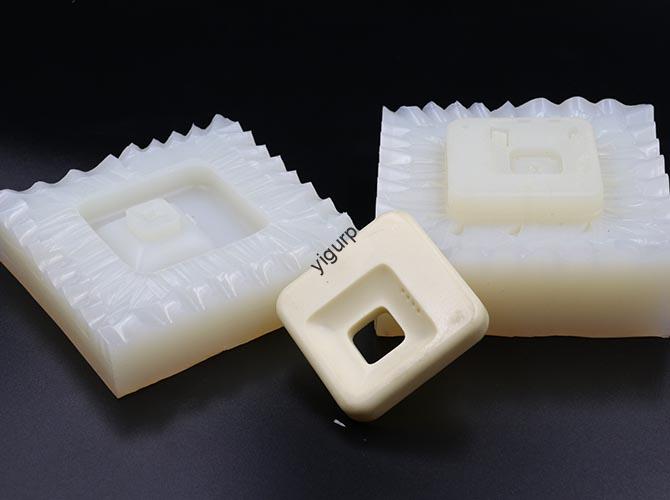
Vacuum casting, also known as urethane casting, is a method for producing small quantities of plastic or rubber parts. It starts with a master model, typically created using high-resolution 3D printing. This master is used to create a flexible silicone mold. Liquid resin is then poured into this mold inside a vacuum chamber. The vacuum removes all air bubbles, ensuring the resin fills every tiny detail. After the resin cures, the part is removed. A single silicone mold can usually produce 10 to 100 parts.
This process has become particularly popular in Austria for several reasons.
- High Precision Demands: Austrian industries, like the automotive sector (home to BMW’s large plant in Steyr) and a strong medical device industry, require parts with tolerances as tight as ±0.1mm. Vacuum casting consistently delivers this level of accuracy.
- Strong Sustainability Focus: Austrian providers prioritize eco-friendly practices, using resins with REACH certifications and reusing silicone molds multiple times. This aligns with the country’s strict environmental laws, such as the Circular Economy Act.
- Need for Speed: Startups and established companies in cities like Vienna, Graz, and Linz use vacuum casting to get prototypes and small batches quickly, without waiting 6-8 weeks for injection molding tooling.
A real-world example: A medical startup in Graz needed 50 prototype housings for a new insulin pump. By choosing vacuum casting over injection molding, they cut their tooling costs by 70% and got their parts 4 weeks earlier. This speed was critical for starting their regulatory approval process.
What Are the Key Advantages of Choosing Austria?
Austrian vacuum casting services offer specific benefits that set them apart.
Superior Surface Finish
Austrian providers use high-grade silicone and precision mixing equipment. This results in parts with a very smooth surface finish, often achieving Ra values as low as 0.8μm. This is ideal for visible components, like consumer electronics casings, where appearance matters.
Wide Material Versatility
Local service bureaus offer a vast selection of resins. You can choose from:
- Flame-retardant grades meeting UL94 V-0 standards.
- Food-safe materials compliant with FDA regulations.
- Flexible materials ranging from soft rubber (Shore A 20) to hard plastics.
- Bio-based resins made from renewable resources, which are increasingly in demand for sustainable packaging projects.
Cost-Effectiveness for Small Batches
This is the core economic advantage. A simple injection mold can cost €10,000 to €50,000 in Austria. A silicone mold for vacuum casting costs between €500 and €2,000. This makes it the only sensible option for batches of 10 to 500 parts. For instance, an automotive supplier in Linz saved €35,000 by using vacuum casting for a 200-unit run of custom sensor housings instead of going straight to injection molding.
Full Compliance with European Standards
All major Austrian vacuum casting providers hold key certifications like ISO 9001 for quality management and ISO 13485 for medical devices. They can provide parts that meet EN 9100 for aerospace and pass ISO 10993 biocompatibility tests for medical applications. This compliance is non-negotiable for clients in regulated industries.
How Does the Vacuum Casting Process Work in Austria?
Austrian manufacturers follow a meticulous, standardized process. Here is a typical step-by-step workflow.
- Step 1: Master Model Creation: You provide a 3D CAD file. The provider uses a high-precision SLA 3D printer (with layer heights as fine as 0.025mm) to create the master model. This master is then carefully finished to remove any imperfections, as every detail will be replicated in the final parts.
- Step 2: Silicone Mold Making: The master model is placed in a frame, and liquid silicone is poured over it. This is done inside a vacuum chamber to eliminate air bubbles, which is critical for a flawless mold. The silicone cures for 8-12 hours, then is carefully cut open to remove the master. This mold is typically reused 10 to 20 times.
- Step 3: Resin Mixing and Casting: The chosen polyurethane resin is mixed with a hardener in a precise ratio. It is then poured into the silicone mold, which sits inside a vacuum chamber at around -95 kPa. This vacuum draws out any remaining air, ensuring the resin fills every corner of the mold. The mold is then heated to cure the resin.
- Step 4: Post-Processing and Quality Control: Once cured, the parts are removed and trimmed to remove excess material. Post-processing can include painting with automotive-grade paints, CNC machining for extremely tight tolerance features, or inserting metal threads. Every part undergoes quality control, often using a coordinate measuring machine (CMM) to verify critical dimensions.
What Are the Top Industries Using Vacuum Casting in Austria?
The flexibility of the process makes it valuable across several key Austrian industries.
Automotive
Austria’s automotive sector is massive. Companies use vacuum casting for prototyping and small-batch production of parts like sensor housings, interior trim pieces, and custom gaskets. A supplier to Audi recently used it to produce 300 prototype battery covers for an electric vehicle, testing fit and heat resistance before committing to expensive injection molds.
Medical Devices
With over 700 medical technology companies, including Fresenius Kabi in Graz, the demand for precise, biocompatible parts is high. Vacuum casting is used for surgical instrument handles, diagnostic device casings, and prosthetic components. A Vienna-based startup recently used an FDA-compliant resin to create 50 prototype inhaler bodies, which passed all necessary cytotoxicity tests.
Aerospace and Defense
Austrian aerospace firms, like FACC AG, use vacuum casting for lightweight, strong parts such as drone components, cockpit panels, and cable organizers. These parts often need to meet strict flame resistance standards. A recent project involved casting 200 drone wing brackets using a glass-fiber reinforced resin, achieving a strength-to-weight ratio 15% higher than standard plastic parts.
Consumer Electronics
Startups in Vienna’s growing tech hub rely on vacuum casting for first production runs of items like smartphone cases, smartwatch bands, and speaker enclosures. A 2024 survey found that 62% of hardware startups in Austria use vacuum casting, citing cost and speed as the main reasons.
How to Choose a Vacuum Casting Provider in Austria
Selecting the right partner requires a systematic approach. Here are the key criteria to evaluate.
Step 1: Check Industry Experience
Look for a provider with a track record in your specific sector. A company specializing in automotive parts may not have the same expertise with medical-grade, biocompatible resins as one focused on healthcare. Ask for case studies and client references.
Step 2: Verify Material Selection
Ensure the provider offers the exact resin properties you need. Ask about compliance with standards like FDA, UL, or REACH. Do they have materials that are flame-retardant, UV-resistant, or thermally conductive? Top providers in Austria, like Rapid Prototyping Austria in Linz, offer over 60 different resin options.
Step 3: Assess Lead Times and Batch Capacity
Most Austrian providers can handle batches of 10 to 500 parts with lead times of 1 to 3 weeks. If you need parts faster, ask about expedited services. Be cautious of any provider promising turnaround under 3 days, as this may indicate rushed quality control.
Step 4: Review Quality Control Processes
A reliable partner will have a clear quality assurance process. Ask specific questions:
- Do you use a CMM for dimensional checks on every batch?
- Do you perform visual inspections on every single part?
- Can you provide test reports for material compliance, like biocompatibility certificates?
Step 5: Check Customer Reviews
Look for reviews on platforms like Google or industry forums. An analysis of Austrian vacuum casting providers found that those with a 4.5+ star rating had significantly fewer customer complaints about part defects.
What Factors Influence the Cost in Austria?
Understanding the cost drivers helps you budget effectively.
- Mold Cost: This is the main upfront cost. A simple part might cost €500 to €1,500 for the mold. A complex part with undercuts could cost €1,500 to €3,000.
- Resin Cost: Standard rigid resins cost about €25 to €40 per kg. Specialty resins, like medical-grade or flame-retardant types, can cost €50 to €120 per kg. A typical part uses between 0.1kg and 0.5kg of resin.
- Post-Processing Costs: These can add 10-30% to the total. Trimming and sanding might cost €1-€5 per part, while painting can add €5-€15 per part.
- Example: For a batch of 100 simple automotive sensor housings, you might have a mold cost of €800, resin cost of €600, and post-processing of €200, for a total of €1,600. The same part made with injection molding would cost over €16,000 for the tooling alone.
Conclusion
Austria offers a compelling environment for vacuum casting, particularly for projects that demand precision, material versatility, and strict regulatory compliance. The country’s strong industrial base in automotive and medical technology has created a network of highly skilled providers who understand the need for accuracy and reliability. While the cost may be higher than in some regions, the investment buys you access to world-class quality, fast turnaround times, and parts that are ready for functional testing or even pilot production runs. By carefully vetting potential partners for the right certifications and experience, you can leverage Austria’s expertise to move your product development forward with confidence.
Frequently Asked Questions
1. What is the largest part size I can make with vacuum casting in Austria?
Most standard providers can handle parts up to 500mm x 500mm x 300mm. For larger parts, some specialists offer custom mold boxes, though this will increase both lead time and cost.
2. Can vacuum-cast parts be used for functional testing?
Yes. Austrian providers offer resins that closely mimic the mechanical properties of production plastics like ABS, PP, and PC. Parts can be used for rigorous testing, including impact, temperature, and pressure tests. For long-term use (over a year), injection molding is still the better choice.
3. How many times can a silicone mold be reused?
Typically, a silicone mold can be used 10 to 20 times. The exact number depends on the complexity of the part and the type of resin used. Rigid resins are generally easier on the mold than flexible ones.
4. Do Austrian vacuum casting providers ship internationally?
Yes, most major providers ship worldwide. They are experienced in shipping to other EU countries (1-3 days) and to non-EU countries (3-7 days). They can also handle all necessary customs documentation.
5. What certifications should I look for in a provider?
The essential certifications are ISO 9001 for quality management. For medical parts, you need ISO 13485. For aerospace, look for EN 9100. Also, ask for material-specific certifications like FDA compliance or REACH for chemical safety.
Discuss Your Projects with Yigu Rapid Prototyping
At Yigu Rapid Prototyping, we help businesses around the world connect with the right manufacturing partners. We have deep experience working within Austria’s advanced vacuum casting ecosystem, from precision medical device specialists in Vienna to high-volume automotive suppliers in Linz. Our team of engineers can assist you with every step, from design for manufacturability (DFM) reviews to supplier selection, quality assurance, and logistics management. If you have a project that requires the precision and reliability of Austrian vacuum casting, we can help you find the perfect fit. Contact us today to discuss your requirements.