
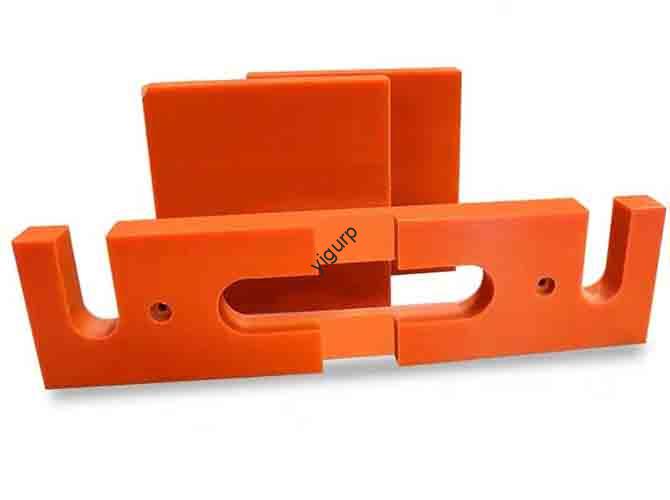
Bakelite, also known as phenol-formaldehyde resin, is a legendary material in the manufacturing world. It was the first synthetic plastic ever made. Today, it remains a top choice for sample models in the electronics, automotive, and industrial sectors. Engineers love it for its incredible electrical insulation and high heat resistance.
However, Bakelite is a “thermosetting” plastic. Unlike common plastics that melt, it hardens permanently when cured. This makes it hard, brittle, and very tricky to machine. If you use the wrong settings, it will crack or chip instantly. Swiss-type lathes are the perfect solution for this challenge. Their precision-focused design allows us to create delicate Bakelite samples with micron-level accuracy. This guide breaks down the complete process to help you master Bakelite machining.
Why Use Swiss Lathes for Brittle Bakelite?
Standard lathes often struggle with Bakelite because they lack the necessary stability. Swiss-type lathe technology is different. It is engineered for parts that need extra support.
The Power of the Guide Bushing
The most critical part of a Swiss lathe is the guide bushing. In a normal lathe, the material sticks out far from the support. Because Bakelite is brittle and has low rigidity, it bends or vibrates when the tool hits it. This leads to cracks.
The Swiss lathe holds the Bakelite bar stock just 1mm to 2mm away from the cutting tool. This eliminates deflection. It acts like a steady hand holding a thin glass rod while you carve it. This support ensures that even the most fragile sample models remain stable during the cut.
High-Speed Spindles and Low Vibration
Precision requires a steady machine. Our lathes use high-speed spindles with a runout of less than 0.001 mm. This low vibration is vital. Even a tiny shake can cause a “hairline crack” in a Bakelite part. By keeping the spindle speed between 3,000 and 6,000 rpm, we achieve a smooth finish without stressing the material.
Done-in-One Processing
Bakelite does not like to be moved. Every time you unclamp and re-clamp a brittle part, you risk breaking it. Swiss lathes feature live tooling and multiple axes. This means we can turn, mill, drill, and thread the sample in a single setup. This “done-in-one” approach protects the integrity of the material and ensures all features are perfectly aligned.
| Component | Function for Bakelite | Main Benefit |
| Guide Bushing | Supports bar 1-2mm from tool | Prevents bending and cracking |
| Live Tooling | Milling and drilling in one run | Reduces stress from re-clamping |
| Carbide Tools | Sharp, heat-resistant cutting | Cleaner edges, less chipping |
| CNC Control | Automates toolpaths (G-code) | Repeatable ±0.002 mm precision |
What Are the “Do’s and Don’ts” of Bakelite?
To succeed with Bakelite, you must respect its physical limits. It behaves more like a ceramic than a standard plastic.
Handling the Brittle Nature
Bakelite has very low elongation (less than 2%). This means it does not stretch; it simply snaps. When machining, you must use low feed rates. If you push the tool too hard, the pressure will cause “edge chipping.” We recommend keeping the clamping force low (around 15–20 N·m) to avoid crushing the bar stock.
Managing Heat and Charring
While Bakelite is heat resistant, it does not melt. If it gets too hot (above 180°C), it will char or burn. Charring ruins the surface and can damage the electrical insulation properties. We use an emulsion coolant (a mix of water and 5–10% mineral oil) to keep the temperature stable.
Choosing the Right Tools
Do not use High-Speed Steel (HSS) tools on Bakelite. The material is very abrasive and will dull HSS bits in minutes. Always use carbide tools (Grade K10). Carbide stays sharp longer, which is essential because a dull tool increases cutting force and causes cracks.
Expert Tip: Think of Bakelite like a delicate ceramic plate. You must handle it gently and avoid extreme localized heat. Sharp tools and steady cooling are your best friends.
How to Optimize Your Sample Model Design?
A great Bakelite sample model starts with a smart design. If the design is too complex, the machining risk goes up.
Keep Features Simple
Avoid deep, narrow slots. For example, if you design a groove that is 10mm deep but only 2mm wide, the tool will likely vibrate and crack the part. Aim for an aspect ratio of 3:1 or less.
Real-World Case: We once worked with a client who designed a sensor housing with very sharp internal corners. The parts kept cracking during testing. We suggested adding a 0.8 mm radius to the corners. This small change removed the “stress points,” and the next batch was 100% defect-free.
Setting Realistic Tolerances
Because Bakelite is stable, it can hold tight dimensions. However, asking for ±0.005 mm on a non-critical feature only adds cost.
- Critical Features: Use ±0.01 mm (e.g., for mounting holes).
- General Features: Use ±0.05 mm to keep production fast and efficient.
Step-by-Step: The Machining Process
We follow a “gentle but efficient” workflow to ensure every Bakelite sample is perfect.
1. Preparation and Setup
We start by cleaning the Bakelite bar stock. Any dust in the guide bushing can cause uneven support. We then calibrate the machine axes and input the tool lengths into the CNC program. A quick “dry run” (running the program without cutting) ensures the toolpaths are safe.
2. Rough and Finish Turning
We remove the bulk of the material in the roughing phase. We keep the depth of cut shallow (0.2–0.3 mm) to avoid putting too much stress on the core. In the finishing phase, we use a very sharp tool at a higher spindle speed (up to 5,000 rpm) to achieve a smooth surface finish (Ra 0.8 μm).
3. Drilling and Milling
When drilling holes, we use a “pecking” cycle. This means the drill retracts every 1mm to clear out the fine, powdery Bakelite chips. If chips build up, they create friction and heat, which causes the material to expand and crack.
4. Threading Techniques
Threading is the most dangerous step for Bakelite. To prevent the threads from stripping or chipping, we use a single-point carbide tool. Instead of cutting the thread in one deep pass, we make 4 to 5 shallow passes. This keeps the cutting force low and the threads crisp.
How Do We Ensure Quality Control?
A Bakelite sample is often used to validate a design before mass production. It must be accurate. Our quality control process uses three main layers.
Dimensional and Surface Inspection
We use digital calipers and Coordinate Measuring Machines (CMM) to verify every dimension. For the surface, we use a roughness meter. We look for any signs of charring or hairline cracks under a 10x magnifying glass.
Functional Testing
If the part is for electrical use, we perform an insulation resistance test. Bakelite should maintain a resistivity of ≥10¹⁴ Ω·cm. For automotive parts, we may place the sample in an oven at 150°C for an hour to ensure it does not deform.
Visual Checklist for Defects
- No Cracks: Even tiny cracks can lead to total failure.
- No Bubbles: Internal bubbles suggest poor raw material quality.
- Clean Edges: Edge chipping should be less than 0.1 mm on all functional surfaces.
Yigu Technology’s View
At Yigu Technology, we treat Bakelite processing as a specialized craft. We know that Bakelite’s unique traits—its hardness and its brittleness—require a specific touch. We use high-precision Swiss lathes with a ±0.001 mm accuracy to ensure your samples are perfect.
By optimizing our CNC programming, we have reduced material waste by 30% for our clients. We don’t just “cut and ship.” We provide a full DFM (Design for Manufacturability) review to make sure your design is optimized for the Swiss lathe process. Whether you need one prototype or a small batch of 50, we deliver parts that meet the strictest functional standards.
FAQ
Can Swiss lathes make thin-walled Bakelite tubes?
Yes. By using a guide bushing and reducing the clamping force, we can create tubes with walls as thin as 0.5 mm. We use very shallow passes to ensure the tube does not shatter.
What is the best way to clean Bakelite chips?
Bakelite produces a fine powder, not stringy chips. We use a high-powered vacuum system at the cutting point. This prevents the powder from scratching the part or clogging the machine slides.
Why does Bakelite sometimes change color during machining?
If the surface turns dark or brown, it is usually due to localized overheating. This means the spindle speed is too high or the tool is dull. Switching to a sharper carbide tool and increasing coolant flow will fix this.
Is Bakelite still the best choice for electrical insulation?
For high-heat environments (up to 150°C), Bakelite is still one of the most cost-effective and reliable insulators available. It is much more stable than most modern thermoplastics.
How do you prevent “burrs” on Bakelite parts?
Since Bakelite is brittle, it doesn’t “burr” like metal; it chips. We prevent this by using a positive rake angle on our tools and slowing down the feed rate as the tool exits the cut.
Discuss Your Projects with Yigu Rapid Prototyping
Do you need high-quality Bakelite sample models for your next project? At Yigu Rapid Prototyping, we combine years of engineering expertise with advanced Swiss lathe technology to deliver perfect parts every time. We understand the nuances of thermosetting plastics and can help you avoid costly design mistakes. Would you like me to review your CAD files and provide a free DFM report for your Bakelite project?