
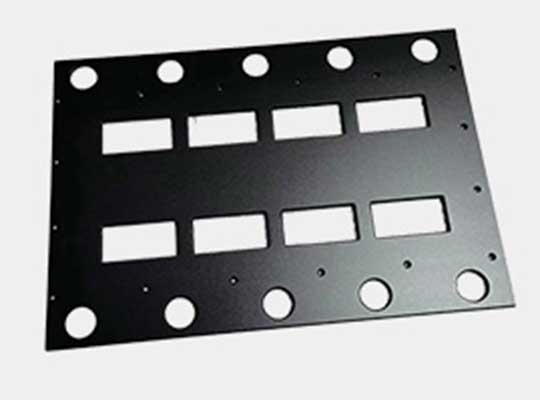
If you are searching for sheet metal services in Portugal, you are likely looking to partner with a reliable manufacturer, source high-quality components, or understand the country’s role in Europe’s metalworking sector. Portugal’s sheet metal industry stands out for its combination of technical expertise, competitive pricing, and adherence to EU quality standards—making it a top choice for businesses across automotive, aerospace, and industrial sectors. This guide covers industry strengths, key processes, how to choose a partner, and future trends shaping its growth.
What Is the Current State of the Sheet Metal Industry in Portugal?
Portugal’s sheet metal sector is a vital part of its manufacturing economy, contributing significantly to exports and employment.
Core Industry Strengths:
- EU Compliance: All Portuguese manufacturers follow strict EU regulations including REACH for chemical safety and CE marking for product safety. This eliminates compliance risks for businesses selling in Europe.
- Skilled Workforce: Portugal invests in vocational training programs for metalworkers. Institutions like the Instituto de Formação Profissional e Emprego (IFPE) provide specialized courses in sheet metal fabrication, welding, and CNC operation.
- Export-Focused: Over 60% of Portugal’s sheet metal output is exported, primarily to other EU countries like Spain, France, and Germany, plus global markets like the US and Brazil. This means manufacturers are experienced in international logistics and customer needs.
| Metric | Value | Source |
|---|---|---|
| Number of sheet metal manufacturers | 800+ | APIMEC |
| Industry turnover | €2.3 billion | APIMEC Annual Report 2023 |
| Employment in the sector | 28,000+ workers | Portuguese Ministry of Economy |
| Top export market | Spain (32% of exports) | Eurostat |
Real-World Example: Metalúrgica Fernandes, a family-owned sheet metal company in Porto, started as a small workshop in 1985 but now supplies components to major automotive brands like Volkswagen and Renault. Their success lies in combining traditional craftsmanship with modern CNC technology—producing complex parts with tight tolerances as low as ±0.1mm. This shows how Portuguese sheet metal firms scale while maintaining quality.
Why Choose Sheet Metal Manufacturers in Portugal?
Cost Competitiveness Without Sacrificing Quality
Portugal offers lower labor and operational costs compared to Western European nations like Germany or Sweden—typically 15-25% lower for equivalent sheet metal services. Most manufacturers use state-of-the-art equipment such as fiber laser cutters and robotic welding arms to ensure precision. A German company sourcing sheet metal brackets might pay €12 per unit locally, but €9 per unit from a Portuguese manufacturer with the same ISO 9001 certification.
Flexibility for Small and Large Orders
Unlike some large manufacturers requiring minimum order quantities of 1,000+ units, many Portuguese sheet metal firms cater to smaller orders starting from 50 units. This is ideal for startups or businesses testing new products. SheetMetalLisbon, a manufacturer in the capital, specializes in prototype and low-volume production—helping a UK-based startup create 100 custom enclosures for their new IoT device in just 2 weeks.
Proximity to Major European Markets
Portugal’s location on Europe’s southwest coast means fast shipping to key markets:
- Shipping to Madrid (Spain) takes 1-2 days by road
- Shipping to Paris (France) takes 3-4 days by road or rail
- Air freight to Berlin (Germany) takes 24 hours
This reduces lead times and logistics costs for businesses with tight production schedules.
What Key Sheet Metal Processes and Capabilities Exist in Portugal?
Common Sheet Metal Processes
- Laser Cutting: Most firms use fiber laser cutters cutting metals like steel, aluminum, and stainless steel up to 25mm thick with high precision. Ideal for complex shapes like automotive parts and electrical enclosures.
- CNC Punching: Used for high-volume production of holes, notches, or simple shapes. Faster and more cost-effective than laser cutting for repetitive designs.
- Bending and Forming: Using CNC press brakes, manufacturers bend sheet metal into angles or 3D shapes. Maximum bending length typically ranges from 1.5m to 3m depending on the machine.
- Welding: Common methods include MIG and TIG welding. Robotic welding is increasingly used for consistency, especially in automotive and aerospace projects.
- Finishing: Services like powder coating in 100+ colors, galvanizing for corrosion resistance, and silk-screening for branding are widely offered.
Specialized Capabilities for Niche Sectors
- Aerospace: Manufacturers like Aernnova Portugal in Viseu produce sheet metal components for aircraft, complying with strict AS9100 aerospace quality standards.
- Medical Devices: Firms like Metalúrgica Gomes create sheet metal parts for medical equipment such as hospital beds and diagnostic machines with biocompatible finishes.
- Renewable Energy: With Portugal’s push for wind and solar power, companies like EnergiMetal make sheet metal structures for wind turbines and solar panels designed to withstand harsh weather conditions.
How to Choose the Right Sheet Metal Partner in Portugal?
Define Your Project Requirements
Before reaching out to suppliers, clarify:
- Material type such as mild steel, aluminum, or stainless steel and thickness
- Required processes like laser cutting, bending, or welding
- Order volume—prototype, low-volume, or high-volume
- Quality standards such as ISO 9001, AS9100, or IATF 16949
- Lead time needs
Verify Certifications and Quality Control
Check for relevant certifications:
- ISO 9001: Ensures consistent quality management
- IATF 16949: For automotive-specific manufacturing
- AS9100: For aerospace components
Ask about their quality control process—do they inspect parts at every stage or only at the end? A reliable partner has a documented QC plan.
Evaluate Experience and References
Look for a manufacturer with experience in your industry. For food processing machine parts, choose a firm that has worked with food industry clients understanding requirements like stainless steel grades and easy-to-clean designs.
Ask for references or case studies. Contact past clients to ask:
- Did the manufacturer meet deadlines?
- Were parts of consistent quality?
- How did they handle issues like incorrect dimensions?
Compare Quotes and Lead Times
Get quotes from 2-3 manufacturers. Don’t just choose the cheapest option—consider quality, experience, and lead time. A slightly higher quote with faster lead times might be worth it for urgent needs.
Ensure the quote includes all costs such as material, labor, finishing, and shipping to avoid hidden fees.
What Future Trends Shape Portugal’s Sheet Metal Industry?
Automation and Industry 4.0
More Portuguese manufacturers adopt automation and Industry 4.0 technologies:
- Robotic Arms: Used for welding, material handling, and assembly—reducing human error and increasing production speed
- Digital Twin Technology: Creating virtual copies of production processes to test designs and optimize efficiency before physical production
- IoT Sensors: Installed on machines to monitor performance and predict maintenance needs, preventing unexpected downtime
MetalTech Porto recently invested €500,000 in robotic welding arms, cutting production time for automotive parts by 30% while improving weld quality.
Sustainability and Green Manufacturing
Portugal is committed to reducing carbon emissions, and the sheet metal industry follows suit with:
- Recycled Materials: Using recycled steel and aluminum—recycled aluminum uses 95% less energy to produce than virgin aluminum
- Energy-Efficient Machines: New laser cutters and press brakes designed to use less electricity
- Waste Reduction: Optimizing nesting to minimize scrap—some manufacturers achieve scrap rates as low as 5% , down from 10-15% a decade ago
- Eco-Friendly Finishes: Using powder coatings with low VOC emissions
Many manufacturers also seek ISO 14001 environmental management certification, demonstrating sustainability commitment.
Growth in Renewable Energy and Electric Vehicles
Portugal’s focus on renewable energy—aiming to be carbon-neutral by 2050—and the global shift to EVs create new opportunities. Demand rises for:
- Sheet metal structures for wind turbines like tower sections and nacelle enclosures
- Components for solar panels such as frames and mounting systems
- EV parts including battery enclosures and chassis components
APIMEC predicts that renewable energy and EV sectors will drive a 12% growth in sheet metal demand in Portugal by 2026.
Conclusion
Portugal’s sheet metal industry, with 800+ manufacturers generating €2.3 billion turnover, serves automotive, aerospace, medical, and renewable energy sectors. Key advantages include 15-25% cost savings versus Western Europe, flexibility for orders starting at 50 units, and fast shipping to EU markets. Processes range from laser cutting and CNC bending to robotic welding and powder coating. Choosing the right partner means defining requirements, verifying certifications like ISO 9001, evaluating experience, and comparing quotes. With trends toward automation, sustainability, and EV growth, Portugal’s sheet metal sector continues evolving as a strategic European manufacturing hub.
FAQ About Sheet Metal Services in Portugal
What types of metals do Portuguese sheet metal manufacturers work with?
Most manufacturers handle mild steel, aluminum, stainless steel, and copper. Some also work with specialty metals like titanium for aerospace projects.
How long does it take to get sheet metal parts from Portugal?
For prototypes or small orders of 50-100 units, expect 1-2 weeks. For high-volume orders of 1,000+ units, lead times are typically 3-4 weeks. Shipping to other EU countries adds 1-4 days.
Do Portuguese manufacturers offer design support?
Yes. Many provide design for manufacturing (DFM) support. Engineers can review your 3D models to suggest improvements reducing costs or improving production efficiency.
Are Portuguese sheet metal parts compliant with EU regulations?
Absolutely. All reputable manufacturers follow EU standards including CE marking, REACH, and specific industry standards like IATF 16949 or AS9100. They provide documentation proving compliance.
Can I visit a Portuguese sheet metal factory before placing an order?
Most manufacturers welcome factory visits for large or long-term projects. This allows you to see equipment, quality control processes, and working conditions firsthand. Many also offer virtual tours.
Discuss Your Projects with Yigu Rapid Prototyping
Ready to start your sheet metal project in Portugal? Yigu Technology combines global manufacturing expertise with practical support for businesses seeking European precision partners. We help automotive suppliers, aerospace companies, medical device manufacturers, and renewable energy firms select the right sheet metal processes and Portuguese partners. Our AI-powered design tools optimize your parts for fabrication—reducing waste and speeding up production. We connect you with vetted Portuguese providers holding ISO 9001, AS9100, or IATF 16949 certifications matching your industry requirements. From material selection to finishing and assembly, our team reviews your designs for manufacturability and ensures compliance with EU regulations. Contact Yigu Rapid Prototyping today to discuss your sheet metal needs and discover how we can help you manufacture precision components efficiently, sustainably, and cost-effectively in Portugal.