
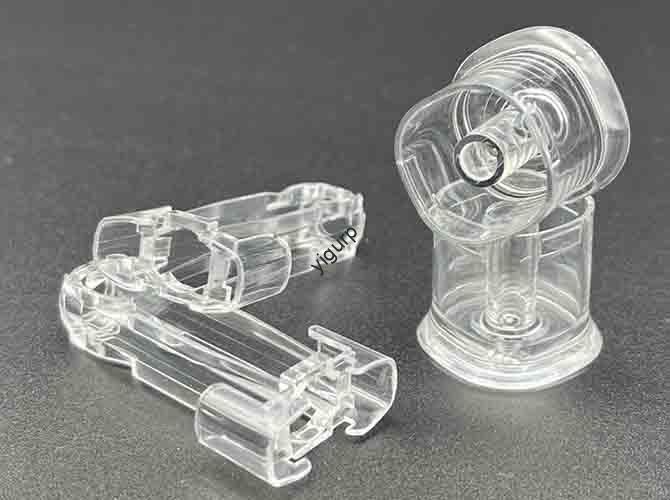
Introduction
If you are searching for rapid prototyping Poland, you are likely an entrepreneur, product designer, or manufacturer looking to turn ideas into tangible prototypes quickly, cost-effectively, and to high standards. Poland has emerged as a top European hub for rapid prototyping, thanks to its skilled workforce, advanced technology infrastructure, competitive pricing—typically 20-30% lower than Western European countries like Germany or the UK—and strategic location that enables fast delivery across the EU. In this guide, we will break down everything you need to know—from the most popular technologies used in Poland to how to choose the right service provider, real-world case studies, and future trends shaping the industry.
Why Poland Is a Leading Hub for Rapid Prototyping in Europe
Strong talent pool
Poland’s rise as a rapid prototyping leader is the result of decades of investment in engineering education, manufacturing innovation, and EU-funded tech initiatives. The country has over 40 technical universities , including top-ranked Warsaw University of Technology and AGH University of Science and Technology in Kraków. These institutions graduate thousands of mechanical engineers, industrial designers, and 3D printing specialists annually. This means prototyping companies in Poland do not just have access to machines—they have experts who can troubleshoot, optimize designs, and recommend the best materials for your project.
Advanced infrastructure
Major cities like Warsaw, Wrocław, Poznań, and Gdańsk are home to state-of-the-art prototyping labs equipped with the latest technology. These facilities offer everything from FDM and SLA 3D printers to CNC machining centers and vacuum casting equipment. Many are certified to ISO 9001 for quality management and ISO 13485 for medical device manufacturing, making them suitable for industries like aerospace, automotive, and healthcare.
Competitive costs without quality compromise
A standard ABS plastic prototype made via FDM 3D printing in Poland costs around €50-€150 , compared to €80-€220 in Germany for the same part. This price difference comes from lower labor and operational costs, not lower quality. Polish providers often use the same machines—such as Stratasys, EOS, or Haas CNC—as Western European counterparts.
Real case study
A Berlin-based startup developing a portable medical device needed 10 prototypes of a custom housing to test ergonomics. They initially received a quote of €1,800 from a German provider . They switched to a Wrocław-based company, which delivered the same prototypes using SLA 3D printing with biocompatible resin for €1,100 —40% cheaper—with a 3-day faster turnaround . The startup later expanded production to Poland, citing consistent quality and communication.
Popular Rapid Prototyping Technologies in Poland
Technology options and use cases
Polish service providers offer a full range of rapid prototyping technologies, each suited to different project needs. Below is a breakdown of the most common options.
| Technology | Best For | Materials Used | Average Lead Time (Poland) | Typical Cost Range |
|---|---|---|---|---|
| FDM (Fused Deposition Modeling) | Functional prototypes, low-cost testing | ABS, PLA, PETG, Nylon | 1-3 days | €30-€200 |
| SLA (Stereolithography) | High-detail prototypes, visual models | Resins (rigid, flexible, biocompatible) | 2-4 days | €50-€300 |
| CNC Machining | Metal prototypes, high-strength parts | Aluminum, steel, brass, plastic | 3-7 days | €100-€800 |
| Vacuum Casting | Small-batch production (10-100 units) | Polyurethane, silicone, ABS-like resins | 5-10 days | €200-€1,500 |
| SLS (Selective Laser Sintering) | Durable, complex parts | Nylon, polyamide, metal powders | 4-8 days | €150-€1,000 |
Professional insight
For most startups and small businesses in Poland, FDM or SLA is the best starting point. FDM is ideal if you need to test how a part functions, such as a hinge or a gear. SLA is better for visual prototypes, like a consumer product housing. If you are working in automotive or aerospace, CNC machining or SLS is preferred. Poland’s automotive supply chain, which serves brands like Volkswagen and Toyota, relies heavily on CNC-machined prototypes for durability testing.
How to Choose the Right Rapid Prototyping Service in Poland
Step 1: Define your project requirements first
With dozens of providers across Poland, selecting the right one can feel overwhelming. Before reaching out to providers, clarify:
- What is the prototype’s purpose ? Functional testing, investor presentations, or regulatory approval?
- What material do you need? Biocompatible resin for medical devices or heat-resistant plastic for automotive parts?
- What is your timeline ? Polish providers often offer “express” 24-hour turnaround for urgent projects, but this adds 20-30% to the cost.
- What is your budget ? Be transparent—many providers in Poland offer flexible pricing for startups or repeat clients.
Step 2: Check certifications and industry experience
Look for providers with certifications relevant to your industry:
- ISO 9001: Ensures consistent quality control.
- ISO 13485: Required for medical device prototypes.
- AS9100: Critical for aerospace or defense projects.
Ask for case studies in your field. A provider that has worked with automotive clients may not be the best fit for a wearable tech startup.
Step 3: Evaluate communication and customer support
Since rapid prototyping often requires back-and-forth adjustments, choose a provider that communicates clearly in English. Most major Polish providers do. They should offer regular updates. For example, Warsaw-based Prototyping Lab provides clients with a dedicated project manager and shares photos of the prototype at each stage—design review, printing, and post-processing—to avoid surprises.
Step 4: Request samples and reviews
Before committing to a large order, ask for a small sample, such as a simple 3D-printed part, to assess quality. Check reviews on platforms like Google My Business or industry forums. Polish providers with 4.5+ stars and positive comments about on-time delivery are usually safe bets.
Warning
Avoid providers that offer prices significantly lower than the market average, such as €20 for an FDM prototype that usually costs €50. This often means cutting corners on material quality or post-processing, like leaving rough edges unpolished.
Key Industries Using Rapid Prototyping in Poland
Automotive
Poland’s automotive industry contributes 12% of the country’s GDP and is the largest user of rapid prototyping. Car manufacturers and suppliers use CNC machining to create metal prototypes for engine parts and SLA to test interior components like dashboard panels.
A Poznań-based supplier to Ford uses vacuum casting to produce 50-100 prototypes of door handles per month . This allows Ford to test fit and finish before mass production.
Medical and healthcare
With strict regulatory requirements, the medical industry relies on Polish prototyping services for biocompatible parts. SLA 3D printing with resins certified for skin contact is used to create prototypes of medical devices like inhalers or wearable monitors.
A Kraków-based startup needed 20 prototypes of a portable ultrasound probe for clinical trials. A local provider delivered them in 5 days , meeting EU MDR standards.
Consumer electronics
Startups and small businesses in consumer electronics use FDM and SLA for prototypes of phone cases, smartwatch bands, or speaker enclosures. The key advantage is speed. Many Polish providers can turn around a prototype in 24-48 hours , allowing companies to iterate quickly based on user feedback.
A Warsaw-based startup developing a wireless charger used FDM prototypes to test 3 different designs in 2 weeks , reducing their time to market by a month.
Cost Factors for Rapid Prototyping in Poland
Understanding what drives costs
While Poland is more affordable than Western Europe, the final cost of your prototype depends on several factors. Understanding these will help you budget and avoid unexpected fees.
Technology choice is a major factor. As shown in the table earlier, FDM is the cheapest option, while SLS and CNC machining are more expensive. A small metal prototype made via CNC machining will cost 2-3x more than a plastic one made via FDM.
Part size and complexity matter. Larger parts or those with intricate details like small holes or overhangs require more material and longer printing or machining time. A simple 10x10x10cm FDM prototype may cost €30, while a complex 20x20x20cm part with internal channels could cost €150+.
Material selection affects price. Specialty materials cost more than standard ones. Biocompatible resin for medical prototypes costs €50-€100 per liter , compared to €20-€30 per liter for standard PLA.
Post-processing adds to the cost. Services like sanding, painting, or assembly increase the total. A basic FDM prototype with no post-processing may cost €30, while one that is sanded, painted, and assembled could cost €80+.
Turnaround time influences pricing. Express delivery of 24-48 hours typically adds 20-30% to the base cost. If you are not in a hurry, choosing standard lead time of 3-5 days will save you money.
Money-saving tip
Many Polish providers offer discounts for bulk orders or repeat clients. If you need multiple prototypes, such as 10+ units, ask for a volume discount. Some providers will reduce the cost by 10-15% .
Future Trends in Poland’s Rapid Prototyping Industry
Adoption of metal 3D printing
While plastic prototyping is still dominant, metal 3D printing using technologies like Selective Laser Melting is on the rise. Polish universities and research centers, such as the Institute of Metal Engineering in Gliwice, are investing in metal 3D printing for aerospace and medical applications.
A Wrocław-based provider recently added an SLM machine to produce titanium prototypes for dental implants, reducing lead times from 2 weeks to 5 days .
Integration of AI for design optimization
More Polish providers are using AI tools to optimize prototype designs for strength, weight, and cost. These tools analyze the design and suggest changes, such as adding lightweight lattice structures, that reduce material use without compromising performance.
A Warsaw-based provider reported that AI optimization helped one client cut prototype costs by 25% while improving durability.
Focus on sustainability
With growing environmental concerns, Polish prototyping services are adopting eco-friendly practices. This includes using recycled materials , such as PLA made from corn starch, and offering recycling programs for prototype waste. Some providers, like Poznań’s Green Prototyping, even offset their carbon emissions from 3D printing by investing in renewable energy projects.
Expansion of on-demand prototyping platforms
To make rapid prototyping more accessible, Polish startups are launching on-demand platforms where clients can upload their 3D designs, get instant quotes, and track orders online. Platforms like Prototypy.pl connect clients with a network of local providers, ensuring fast delivery and competitive pricing.
Yigu Technology’s Perspective on Rapid Prototyping Poland
Yigu Technology recognizes Poland as a dynamic and cost-effective destination for rapid prototyping, especially for businesses targeting the European market. The country’s combination of skilled engineers, advanced technology, and adherence to EU quality standards addresses a key pain point for many clients: balancing speed, cost, and compliance.
We have seen firsthand how Polish providers excel in industries like automotive and medical, where precision and regulatory alignment are critical. For businesses looking to iterate quickly or scale prototypes into small-batch production, Poland offers a strategic advantage. Its central location ensures fast delivery to major EU markets, while lower operational costs enable more frequent design iterations.
As the industry adopts AI and sustainable practices, we expect Poland to remain a top choice for rapid prototyping. We recommend businesses partner with certified providers to maximize the value of their projects.
FAQ About Rapid Prototyping Poland
1. How long does it take to get a prototype in Poland?
Lead times vary by technology. FDM and SLA prototypes take 1-4 days . CNC machining or SLS takes 3-8 days . Express 24-hour turnaround is available for urgent projects with a 20-30% cost premium.
2. Do Polish prototyping services speak English?
Yes. Most major providers, especially in cities like Warsaw, Wrocław, and Poznań, have English-speaking staff and offer English-language documentation, making communication easy for international clients.
3. Can Polish providers handle large-scale prototyping or small-batch production?
Absolutely. Many providers offer vacuum casting or low-volume injection molding for small-batch production of 10-1000 units , in addition to standard rapid prototyping.
4. Are Polish prototypes compliant with EU regulations such as MDR for medical devices?
Yes. Providers with ISO 13485 for medical or AS9100 for aerospace certifications produce prototypes that meet EU standards. Always confirm compliance with your provider before starting.
5. How do I send my 3D design to a Polish provider?
Most providers accept common 3D file formats like STL, STEP, or IGES . You can upload files via their website, email them, or share them via cloud platforms like Dropbox. Many also offer design review services to fix issues, such as missing supports, before printing.
Discuss Your Projects with Yigu Rapid Prototyping
Navigating rapid prototyping Poland requires the right expertise and partners. At Yigu Technology, we specialize in connecting innovators with top-tier Polish prototyping providers. These shops meet the highest standards for automotive, medical, consumer electronics, and industrial applications.
Whether you need a single prototype in days or small-batch production runs, we offer tailored solutions. Our team provides design for manufacturability feedback, material selection guidance, and end-to-end project management. We work with certified providers across Poland’s key industrial hubs—from Warsaw to Wrocław to Poznań—that excel in FDM, SLA, SLS, CNC machining, and vacuum casting processes.
If you have a project ready to move forward, contact Yigu Rapid Prototyping today. Let’s turn your ideas into physical reality.