
Introduction
If you have heard the term “rapid prototype” used in manufacturing or product development circles, you might be wondering exactly what it means. Is it just a fancy name for a model, or is there more to it? In simple terms, rapid prototyping is a set of techniques used to quickly create physical models of a product from digital designs. These prototypes help teams test ideas, identify flaws, and refine designs before investing in expensive production tooling. Let’s dive deeper into what rapid prototyping really is, how it works, and why it has become essential in modern product development.
1. What Exactly Is a Rapid Prototype?
At its core, a rapid prototype is a physical model of a product manufactured in small quantities before final design approval. Unlike traditional prototypes that might take weeks or months to produce, rapid prototypes leverage advanced technologies to create models quickly—often in days rather than weeks.
The Fundamental Purpose of Rapid Prototyping
Rapid prototyping serves a critical function in product development: verifying design feasibility without the cost and risk of creating production molds first. Think of it as a safety net for new products. When a product is first developed or designed, teams create one or several prototypes based on appearance or structural drawings to:
- Check the rationality of the product’s appearance.
- Verify the structural integrity of the design.
- Identify defects, deficiencies, or shortcomings in the most direct way.
- Make targeted improvements until issues are resolved.
- Provide a basis for final product approval and mass production.
Without rapid prototyping, companies would face enormous risks. A flawed design that goes straight to production could result in wasted manpower, material resources, and time. Rapid prototypes minimize these risks by allowing teams to fail fast and iterate quickly with minimal losses.
How Rapid Prototyping Differs from Traditional Methods
Traditional prototyping often involved painstaking manual work or expensive custom tooling, making it slow and costly. Rapid prototyping changes this equation by:
- Using digital design files (CAD) to drive automated manufacturing processes.
- Reducing production cycles from weeks to days.
- Lowering the cost of creating multiple design iterations.
- Enabling more complex geometries that would be difficult to produce manually.
- Supporting small-batch production for testing and validation.
2. What Are the Different Types of Rapid Prototypes?
Rapid prototypes come in various forms, each suited for different stages of development and testing requirements.
Classification by Production Method
The manufacturing technology used largely determines a prototype’s characteristics and applications.
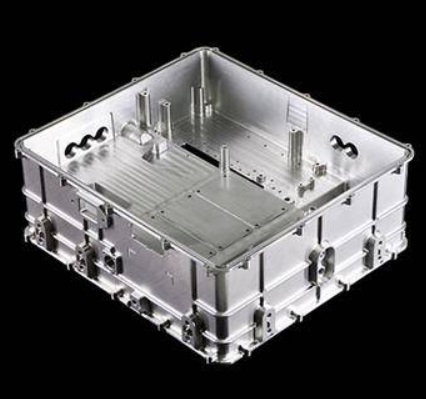
- CNC Prototypes: Created using machining centers that follow digital instructions to remove material from a solid block. This method offers exceptional accuracy, high surface quality, and compatibility with both metal and plastic materials.
- Laser Rapid Prototyping (RP) : Includes technologies like SLA which build parts layer by layer using lasers to cure liquid resin. This method is faster for complex geometries and excellent for detailed visual models.
| Aspect | RP Prototypes (e.g., SLA) | CNC Prototypes |
|---|---|---|
| Speed | Faster for complex geometries | Slower but more consistent |
| Surface Quality | Generally rougher, requires post-processing | Higher initial quality |
| Material Options | Limited to photopolymer resins | Wide range of plastics and metals |
| Best For | Concept models, appearance verification | Functional testing, structural validation |
Classification by Material Used
The materials chosen depend on the prototype’s intended use.
- Plastic Prototypes: Common for consumer products like TVs and electronic devices. They offer lower cost and a wide range of available plastics like ABS, PC, and acrylic.
- Metal Prototypes: Created from aluminum and magnesium alloys for high-end applications like laptops and audio players. They provide high strength, durability, and heat resistance.
- Silicone Prototypes: Focus on design visualization for automotive components, toys, and daily necessities, offering good detail reproduction at a relatively low cost.
Classification by Purpose and Effect
Prototypes are also categorized by the specific goals they help achieve.
- Appearance Prototypes: Focused solely on visual design validation, requiring exquisite appearance and accurate color matching.
- Structural Prototypes: Designed to test the rationality of a product’s structure, requiring high dimensional accuracy and precise fit between components.
- Functional Prototypes: The most demanding type, aiming to replicate the final product’s appearance, structure, and function for real-world testing.
3. What Materials Are Used in Rapid Prototyping?
The choice of material significantly impacts a prototype’s performance and suitability for different tests.
Metal Materials
- Aluminum Alloys: The most commonly used metal prototype materials. Key series include 6063, 6061, and 7075, each offering different strength characteristics. Typical surface treatments include sandblasting and anodizing.
- Stainless Steel: Common grades include SUS304 for general purpose and 316 for higher corrosion resistance. It offers high strength and excellent corrosion resistance for medical components and high-wear parts.
Plastic Materials
- ABS: Offers good impact resistance, strength, toughness, and moderate temperature resistance. It is easy to machine and widely used across industries.
- PC (Polycarbonate) : Provides high strength, toughness, and temperature resistance. It is naturally translucent and can be painted or dyed.
- Acrylic (PMMA) : Also known as plexiglass, it offers superior transparency compared to PC but is more brittle and prone to cracking.
- TPE/TPU: Flexible, rubber-like materials used for soft rubber components, silicone buttons, and remote controls.
- POM (Polyoxymethylene) : Known as “Race Steel,” it has high hardness, a smooth surface, and excellent wear resistance, making it ideal for gear prototypes.
Conclusion
Rapid prototyping is a transformative technology that has fundamentally changed the product development landscape. By enabling the quick, cost-effective creation of physical models, it allows teams to validate designs, test functionality, and refine products before committing to expensive mass production. With a variety of processes and materials available—from high-precision CNC machining for functional parts to detailed SLA for complex visual models—engineers can choose the perfect method for their specific needs. The result is faster innovation, reduced risk, and better products brought to market more efficiently.
FAQ
How long does it take to create a rapid prototype?
The timeline depends on the complexity, size, and manufacturing method. Simple CNC prototypes can be completed in 1–3 days, while complex 3D-printed parts might take 2–5 days. This is still significantly faster than traditional prototyping methods.
What is the difference between a rapid prototype and a production part?
Rapid prototypes focus on speed and cost-effectiveness for design validation, using materials and processes that may differ from mass production. Production parts use optimized manufacturing methods for efficiency at scale, with materials chosen specifically for long-term real-world performance.
Can rapid prototypes be used for functional testing?
Yes, depending on the prototype type and materials. CNC prototypes made from production-grade materials often perform well in functional tests. However, some 3D-printed materials may not have the same mechanical properties as production materials, making them better suited for form and fit testing rather than stress or durability testing.
Discuss Your Projects with Yigu Rapid Prototyping
At Yigu Rapid Prototyping, we are experts in leveraging both CNC machining and advanced 3D printing to deliver high-quality prototypes for a wide range of industries. Whether you need a precise metal component for functional testing or a detailed plastic model for design validation, our team has the expertise to bring your ideas to life quickly and efficiently.
Contact Yigu Rapid Prototyping today to discuss your project. Let’s build something great together.