
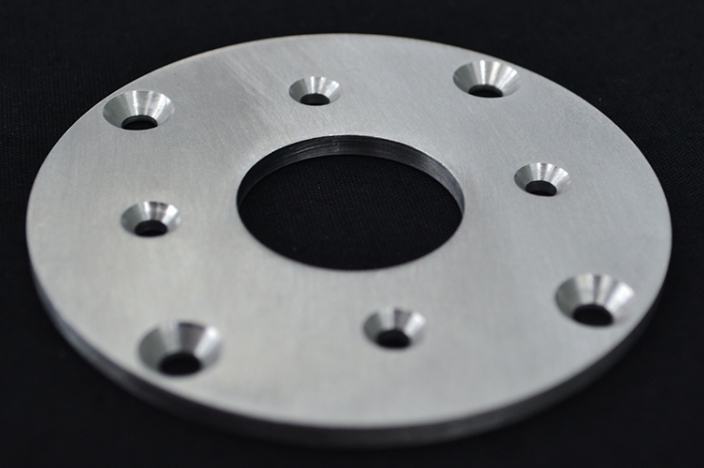
Metal 3D printing is no longer a lab concept. It is a vital, real-world tool. It builds strong, complex metal parts layer by layer. This guide cuts through the hype. We will explain the key processes. You will see clear data and real cases. We will show how to choose the right method for your needs. Our goal is simple. We want to help you make a smart, cost-effective choice for your business.
Introduction
For decades, making metal parts meant casting, forging, or machining. These methods work. But they have limits. They waste material. They struggle with complex shapes. They need costly tools and long lead times. Now, metal 3D printing changes the game. It adds material only where needed. It sets design free. Are you an engineer, a buyer, or a business owner? You need to know how this tech works. This guide will walk you through the main methods. We will look at their pros, uses, and costs. You will learn how to pick the best one. Let’s dive in.
Core Metal 3D Printing Methods
What Are the Top Industrial Processes?
Not all metal 3D printing is the same. Each method uses a unique way to fuse metal. Your choice depends on your part’s need for strength, precision, speed, and cost. Here are the top methods used in shops today.
NPJ: Is It the Fastest Option?
NPJ stands for Nanoparticle Jetting. Think of it like a very precise inkjet printer. It jets tiny drops of liquid metal. The drops have nano-sized metal bits. They hit the build plate and harden at once.
- Key Strengths: It is very fast. It can be up to 5 times quicker than laser methods. It also gives a smooth finish. You often need no extra sanding.
- Best For: High-volume, small, precise parts.
- Real Case: A German med-tech firm uses NPJ. They print fine needles for insulin pens. They make 1,000 needles per hour. The old way needed special tools. It was slow and costly. NPJ cut their production time by 60%. It also cut defects from 8% down to 1%.
SLM: For the Strongest Parts?
SLM means Selective Laser Melting. A strong laser fully melts metal powder. The powder is often titanium or steel. It melts into a solid layer. The platform drops. A new powder layer is spread. The process repeats.
- Key Strengths: It makes parts that are 99.5% dense. This matches forged metal. It has great strength and detail.
- Best For: Complex, load-bearing parts in aerospace, cars, and medical.
- Real Case: A U.S. aerospace firm prints jet engine blades with SLM. The blades have tiny inner cooling paths. These paths are too small to machine. The new blades use 12% less fuel. SLM also cut material waste from 70% to 15%.
SLS (Metal): A Low-Cost Choice?
Metal SLS is like SLM but uses less laser power. It sinters, or fuses, powder grains without full melting. The parts may need a second step, like heat treatment, to get strong.
- Key Strengths: The machines cost less than SLM systems. The loose powder supports the part during print. So, you need no extra supports.
- Best For: Prototypes and parts that don’t bear high stress.
- Real Case: A phone maker uses metal SLS for prototype cases. They can test 5 designs in one week. The old way took four weeks. For small batches, SLS cost 40% less than SLM.
LENS: Can It Repair Old Parts?
LENS stands for Laser Engineered Net Shaping. It feeds metal powder into a laser focus point. The powder melts as it hits the surface. It can build a new part or add metal to an old one.
- Key Strengths: It is great for repair work. It can handle very large parts. It needs no molds.
- Best For: Fixing worn parts in mining, oil, and aerospace.
- Real Case: An Australian mine uses LENS to fix worn drill bits. A new bit costs $5,000. LENS repairs one for $800 in 8 hours. This made each bit last 9 months, not 3. The mine saved $240,000 a year.
EBM: Ideal for Reactive Metals?
EBM is Electron Beam Melting. It uses a beam of electrons, not a laser, to melt powder. It works inside a vacuum. The build plate is very hot during printing.
- Key Strengths: The hot plate reduces internal stress. This means less part warping. The vacuum lets you print reactive metals like titanium safely.
- Best For: Medical implants and large aerospace parts.
- Real Case: A med implant firm prints hip stems with EBM. The hot build process stops cracks. EBM is also 25% faster than SLM for these parts. They meet a demand of over 1,000 implants per month.
FDM Metal: For Beginners?
This method uses a plastic filament filled with metal dust. The printer works like a common plastic 3D printer. After printing, the part is treated. The plastic is removed. The metal dust is sintered into a solid.
- Key Strengths: The printers are cheap and safe. They cost under $10,000. They are simple to run.
- Best For: Small shops, hobbyists, and custom low-volume parts.
- Real Case: A small auto shop prints special bolts for old cars. The process costs 70% less than SLM. After sintering, the bolts are strong enough for use. They now sell 500+ bolts each month.
DMLS: For High-Stress Alloys?
DMLS is Direct Metal Laser Sintering. It is close to SLM. It sinters metal alloy grains using a laser. The parts are very dense, over 98%. It works with many alloys.
- Key Strengths: It makes parts with few internal flaws. It handles complex shapes like lattices well.
- Best For: High-stress parts in racing, aerospace, and industry.
- Real Case: A Formula 1 team prints aluminum brackets with DMLS. The parts are 30% lighter than machined ones. They can hold 5 times more load than plastic. The team can test a new design in 2 days, not 2 weeks.
Binder Jetting: Speed for Big Batches?
This method uses print heads to spread a liquid glue on a powder bed. The glue bonds the metal powder. After printing, the glue is removed. The part is sintered to fuse the metal.
- Key Strengths: It is extremely fast for many parts. It needs no supports. It can make very large parts.
- Best For: Medium-stress parts needed in big numbers.
- Real Case: A car maker prints steel heat shields for electric cars. They make 500 shields per day with binder jetting. The old SLM method made only 100. This cut the cost per part by 35%.
DED: For Large-Scale Work?
DED is Direct Energy Deposition. It feeds metal wire or powder into an energy source (laser, plasma, or electron beam). The material melts as it is placed. It is often used to add features or repair big parts.
- Key Strengths: It can fix or modify existing parts. It works with huge build volumes.
- Best For: Repairing aerospace and oil/gas equipment.
- Real Case: An airline fixes jet engine cases with DED. A new case costs $100,000. DED adds metal to worn spots for $10,000. This extends the part’s life by 5 years.
How Do You Compare Them?
This table shows key data to help you compare.
| Process | Part Density | Speed | Detail (mm) | Machine Cost | Best Part Size | Top Uses |
|---|---|---|---|---|---|---|
| NPJ | 98-99% | Very Fast | 0.01-0.05 | $200k-$500k | Small-Medium | Medical, Electronics |
| SLM | 99.5%+ | Medium | 0.02-0.1 | $150k-$800k | Small-Medium | Aerospace, Automotive, Dental |
| SLS (Metal) | 90-95% | Medium-Fast | 0.1-0.2 | $100k-$400k | Small-Medium | Prototyping, Consumer Goods |
| LENS | 98-99% | Medium | 0.1-0.3 | $120k-$600k | Large | Heavy Industry, Mining |
| EBM | 99%+ | Medium-Fast | 0.05-0.2 | $250k-$1M | Medium-Large | Medical, Aerospace |
| FDM Metal | 95-97% | Slow-Medium | 0.1-0.3 | $5k-$50k | Small-Medium | Small Businesses, Hobbyists |
| DMLS | 98-99% | Medium | 0.03-0.1 | $180k-$700k | Small-Medium | Aerospace, High-Stress Parts |
| Metal Binder Jet | 96-98% | Very Fast | 0.05-0.2 | $150k-$600k | Small-Large | Automotive, Consumer Goods |
| DED | 97-99% | Slow-Medium | 0.1-0.4 | $100k-$800k | Large | Aerospace, Oil & Gas |
How to Pick the Right Process
What Are Your Part’s Needs?
Start with your part’s specs.
- Need high detail? Choose NPJ or SLM. They offer the best precision.
- Need high strength? Choose SLM, DMLS, or EBM. They give near-full density.
- Have complex shapes? Choose SLM, DMLS, or Binder Jetting. They handle intricate designs well.
Example: A dental lab needs a precise, bio-safe crown. They choose SLM. It prints titanium with 0.05mm detail and 99.5% density.
What Is Your Production Volume?
Your batch size guides your cost.
- 1-10 parts (Prototype): Use SLS or FDM Metal. They are fast and cheap for few parts.
- 10-100 parts (Low Volume): Use SLM or DMLS. They balance speed and quality.
- 100+ parts (High Volume): Use Metal Binder Jetting or NPJ. They have the lowest cost per part at scale.
Example: A start-up tests 3 engine prototypes. They pick SLS. It costs $500 per part and takes 3 days. SLM would cost $1,200 per part.
What Material Do You Need?
Match the process to your metal.
- Reactive metals (Titanium): Use EBM. Its vacuum prevents fires.
- Mixed materials: Use SLS. It can blend metal and ceramic powders.
- Common alloys (Steel, Aluminum): Use SLM, DMLS, or Binder Jetting.
Example: An aerospace firm needs nickel-alloy blades. They pick DMLS. It works with that alloy and meets high heat needs.
What Is Your Budget?
Think about machine cost and part cost.
- Low Budget: Use FDM Metal (under $50k machine) or SLS.
- Medium Budget: Use SLM or Binder Jetting.
- High Budget: Use EBM or DED for top performance on big parts.
Example: A jewelry brand makes silver pendants. They use FDM Metal. The printer costs $10k. Sintering adds just $2 per pendant.
What’s Next for Metal 3D Printing?
The field moves fast. Watch these three trends:
- Faster Prints: New multi-laser SLM printers cut time by 50%. A turbine blade that took 8 hours now takes 4.
- Lower Material Cost: Recycled metal powders are here. They can cut material cost by 30%. Recycled titanium powder now costs about $150 per kg, not $220.
- Bigger Parts: New DED and EBM machines can print parts 2 meters square. This allows printing of large wing sections or big machine parts.
Conclusion
Metal 3D printing is a powerful toolkit. Each process has a sweet spot. NPJ and Binder Jetting are speed kings. SLM and EBM build the strongest parts. LENS and DED excel at repair and large scale. Your job is to match the tech to your need. Look at your part specs, volume, material, and budget. The right choice saves time, cuts waste, and unlocks new designs. This tech is ready. It can transform your production line today.
FAQ
Q: Can metal 3D printing handle mass production (10,000+ parts)?
A: Yes, for the right process. Metal Binder Jetting and NPJ are built for speed and scale. A car maker uses Binder Jetting to make 10,000 heat shields each month. The cost per part is 20% lower than machining. SLM and DMLS are better for smaller batches.
Q: Are 3D printed metal parts as strong as forged parts?
A: In the best cases, yes. Processes like SLM, EBM, and DMLS produce parts with over 99% density. This matches the strength of forged parts. They are used in critical jet engine and medical implant applications.
Q: What is the biggest cost in metal 3D printing?
A: The two main costs are the machine price and the material powder. High-end systems (SLM, EBM) cost $150,000 to over $1 million. Metal powder, especially for alloys like titanium, is also costly. However, the technology wastes very little material, which saves money.
Q: How complex can the designs be?
A: Extremely complex. Metal 3D printing can make internal channels, lattice structures, and organic shapes that are impossible to machine. This design freedom is one of its biggest benefits for optimizing part performance.
Discuss Your Projects with Yigu Rapid Prototyping
Are you ready to explore metal 3D printing for your business? At Yigu Rapid Prototyping, we combine deep technical expertise with hands-on manufacturing experience. We help you navigate the selection process—whether you need a single high-precision prototype, a short run of end-use parts, or advice on scaling up production. Let’s discuss your project’s specific goals, materials, and challenges. Contact us today to turn your innovative designs into durable, high-performance metal reality.