
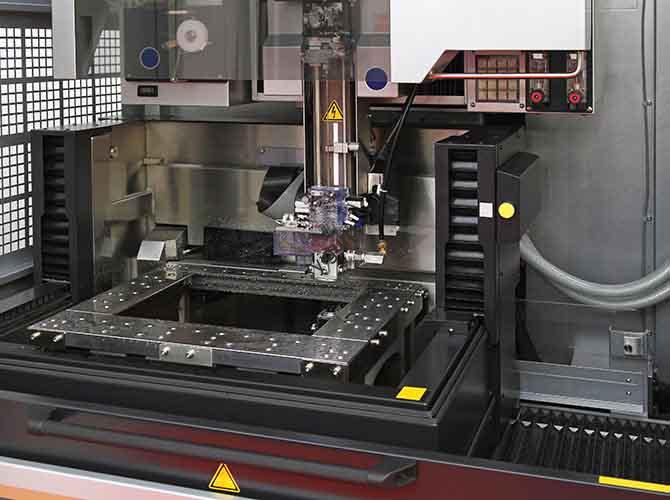
Introduction
If you are in manufacturing, you have probably asked yourself: How can I make my machining processes faster, more efficient, and more profitable? That is exactly where machining engineering comes in. It is not just about cutting metal. It is about optimizing every single step of the production line to turn your biggest challenges—like long cycle times or inconsistent quality—into real competitive advantages. In this guide, we will break down what machining engineering really entails, how it solves common manufacturing problems, and how you can apply its principles to your own operations.
What Exactly Is Machining Engineering?
Let’s start with the basics. Machining engineering is the specialized field that designs, analyzes, and optimizes machining processes. This includes everything from choosing the right cutting tools to programming CNC machines. The ultimate goal is always the same: to improve efficiency, reduce costs, and ensure consistent quality. It is a powerful mix of technical expertise, creative problem-solving, and deep hands-on knowledge of manufacturing workflows.
Think of it this way. If your shop is struggling with a part that takes two hours to machine and often has defects, a machining engineer won’t just make a small tweak to the machine settings. They will dig into the entire process. They will ask questions like: Is the fixture holding the part securely enough? Are we using the right cutting tool for this specific material? Could the CNC program be simplified to eliminate unnecessary movements? This holistic, system-wide approach is what truly sets machining engineering apart from basic machine operation.
A Real-World Example
A mid-sized automotive parts manufacturer was facing two major problems. Their cycle time for a certain aluminum engine bracket was 45 minutes per part, and a frustrating 8% of their parts were being scrapped due to dimensional errors. A machining engineering team stepped in and did three key things:
- They analyzed the existing process and discovered the machine was making several unnecessary tool changes.
- They switched to a high-feed cutting tool specifically designed for aluminum, which reduced the actual cutting time by 30%.
- They redesigned the fixture to hold the part more rigidly, which completely eliminated the vibration causing the dimensional errors.
The result? Cycle time dropped dramatically to 28 minutes. The scrap rate fell to just 1.2%. And the company saved over $120,000 in the very first year.
What Are the Key Components of Machining Engineering?
Machining engineering isn’t a single task. It is a set of interconnected services and steps that all work together to optimize production. Below are the core areas you need to understand, along with how they add value to your operations.
1. Machining Studies: The Foundation of Optimization
Before you can fix a process, you need to truly understand it. That is what machining studies do. These are detailed analyses of your existing workflows. They address both technical questions, like “Can we use a better cutting strategy?” and financial ones, like “Will this change actually reduce our per-part cost?” A thorough machining study includes looking at how the machining step fits into your entire production line, defining the exact sequence of cuts the machine should take, and using simulation software to test the process virtually before ever cutting real material.
2. Custom Machining Cycles: Tailored to Your Needs
Not all parts are the same, so why use a one-size-fits-all program? Machining cycles are custom-designed sequences of operations for your specific parts. For example, a complex aerospace component might need a cycle that alternates between roughing, which removes large amounts of material quickly, and finishing, which creates the final precise details.
3. Tools and Fixtures: The Right Gear for the Job
Even the best CNC machine in the world won’t perform well with poor tools or fixtures. Tools and fixtures are the “hands” of machining. They hold the part steady and actually make the cuts. Machining engineering helps you choose, design, or even manufacture the right ones. The right cutting tool reduces wear, speeds up cutting, and improves surface finish. A well-designed fixture eliminates vibration, which is a major cause of defects and inconsistent results.
4. Production Assistance: Making Sure It Works Long-Term
Optimizing a process is great, but keeping it optimized over the long term is even better. Production assistance provides crucial support, especially during the first weeks or first batches of a new process. This includes on-site support to fix unexpected issues, detailed operation reports that track key metrics like cycle time and scrap rate, personalized training for your team, and regular process audits to check if the process is still meeting its goals.
5. Machining Tests: Ensuring Quality Before Full Production
Before you start mass-producing parts with a new or optimized process, you absolutely need to verify it works. That is where machining tests come in. Pre-acceptance testing involves running a small number of parts to check if the process meets your technical requirements, like dimensional accuracy and surface finish. Final acceptance testing then confirms that the process is consistent, efficient, and truly ready for full production. Skipping these tests is a common and costly mistake.
What Are Turnkey Projects?
If the idea of managing studies, cycles, tools, and tests all at once feels overwhelming, turnkey projects are a game-changer. A turnkey solution is a complete, worry-free package that includes everything you need to get a new machining process up and running. This includes the tools, fixtures, CNC programming, simulation, and even team training. With a turnkey project, the engineering team handles all the problem-solving upfront, so you can start production immediately.
How Does Machining Engineering Deliver Tangible Results?
At the end of the day, machining engineering is about delivering real, measurable results. Companies that invest in it typically see:
- Increased Profitability: A study found that companies using machining engineering see an average 18-22% increase in profit margins due to lower scrap rates and faster cycle times.
- Enhanced Productivity: Optimized CNC machines can produce 25-30% more parts per shift.
- Reduced Cycle Times: The most successful projects cut cycle times by 30-50% .
- Competitive Advantage: Companies using advanced machining engineering are twice as likely to win new clients because they can deliver parts faster and at a lower cost.
Conclusion
Machining engineering is far more than a technical specialty; it is a strategic investment in the future of your manufacturing business. By taking a holistic view of your production line—from machining studies and custom cycles to tooling, fixtures, and rigorous testing—it transforms inefficiency into productivity and inconsistency into quality. Whether you are a small shop or a large manufacturer, applying the principles of machining engineering can lead to dramatic improvements in your cycle times, your scrap rates, and ultimately, your bottom line.
FAQ
Do I need machining engineering if my current process is “good enough”?
Even if your process works, “good enough” often means you are leaving money on the table. A 5% scrap rate might seem acceptable, but machining engineering could cut it to 1%, saving you thousands annually. It is also the best way to prepare for growth, as a “good enough” process might not scale to handle larger orders.
How much does machining engineering cost, and how long does it take to see a return?
Costs vary based on the complexity of your process, but most manufacturers see a return on their investment within 6 to 12 months. For example, a $30,000 machining study that saves $120,000 annually delivers a 400% return in the first year alone.
Can machining engineering help with new materials like composites or titanium?
Absolutely. New and difficult materials often require highly specialized processes. For example, titanium is notoriously hard to cut and can easily overheat tools. Machining engineering teams have deep expertise in these materials and can design processes that avoid common issues like tool breakage or part warping.
Is machining engineering only for large manufacturers?
No. Small and mid-sized shops benefit just as much, if not more. A small shop with just one CNC machine can see huge gains from optimizing its process. Cutting cycle time by 30% means they can take on more orders without needing to buy expensive new equipment.
Discuss Your Projects with Yigu Rapid Prototyping
Are you ready to take your manufacturing to the next level? At Yigu Rapid Prototyping, our team of experienced machining engineers is ready to help. We can analyze your current processes, identify opportunities for improvement, and implement custom solutions that boost your productivity and profitability. From turnkey projects to ongoing production support, we are your partner in precision manufacturing.
Contact Yigu Rapid Prototyping today to discuss your project. Let’s build something great together.