
Introduction
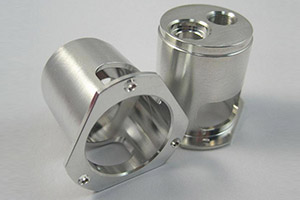
Automobile cylinder prototypes serve as the critical bridge between engine design concepts and mass production reality. These precision components undergo rigorous development to ensure they meet performance, durability, and safety standards before full-scale manufacturing begins. This guide explores the essential factors that shape successful automobile cylinder prototype manufacturing, providing engineers and manufacturers with actionable insights to optimize their prototyping processes.
1. Material Selection: The Foundation of Cylinder Performance
Choosing the right material is the first and most critical decision in cylinder prototype manufacturing. It directly impacts strength, weight, heat resistance, and overall engine performance.
Primary Materials for Cylinder Prototypes
The automotive industry primarily relies on two materials for cylinder prototypes:
- Cast Iron: A traditional choice valued for its exceptional wear resistance, high compressive strength (300–400 MPa), and excellent heat retention properties. Cast iron cylinders maintain dimensional stability under extreme temperature fluctuations, making them ideal for high-performance engines. However, their higher weight can affect overall vehicle efficiency.
- Aluminum Alloys: Increasingly popular for modern engine designs due to their lightweight properties and good thermal conductivity. Aluminum cylinders reduce overall engine weight by 30–40% compared to cast iron, improving fuel efficiency. Advanced aluminum alloys like Al-Si-Cu offer enhanced strength (180–250 MPa) and wear resistance when treated with hard anodizing or Nikasil coatings.
Material Selection Criteria
Engineers evaluate several key factors when selecting cylinder materials:
| Material | Density (g/cm³) | Tensile Strength (MPa) | Thermal Conductivity (W/m·K) | Wear Resistance | Weight Savings |
|---|---|---|---|---|---|
| Cast Iron | 7.2 | 200–400 | 40–50 | Excellent | 0% |
| Aluminum Alloy | 2.7 | 180–250 | 120–180 | Good with coating | 30–40% |
2. Design and CAD Modeling: Precision in Digital Form
Modern cylinder prototype manufacturing begins with detailed digital design, ensuring all critical dimensions and features are accurately defined before physical production.
Essential Design Elements
Effective cylinder CAD models include several key components:
- Bore Dimensions: Precise diameter and circularity tolerances, typically ±0.005 mm, to ensure proper piston fit.
- Cooling Passages: Strategically designed channels for coolant flow with precise cross-sectional areas and placement.
- Mounting Points: Accurate positioning of bolt holes and flange surfaces for secure engine assembly.
- Deck Height: A critical dimension between the cylinder head mounting surface and crankshaft centerline.
- Valve Train Integration: Proper clearance for valves, camshafts, and related components.
CAD and Simulation Tools
Advanced software tools drive the design process. FEA (Finite Element Analysis) simulates thermal stress, pressure distribution, and structural integrity under operating conditions. CFD (Computational Fluid Dynamics) analyzes coolant flow and heat transfer within cooling passages. These digital tools allow engineers to identify and resolve potential design issues before prototype production, reducing development time and costs by 20–30%.
3. Machining Processes: Shaping the Prototype
The machining phase transforms raw material into functional cylinder prototypes, requiring precision equipment and specialized techniques to achieve required tolerances and surface finishes.
Primary Machining Techniques
- CNC Machining: The backbone of cylinder prototype production, offering exceptional precision. CNC lathes create the cylindrical bore, while CNC milling machines produce mounting flanges, cooling passages, and other complex features. Modern 5-axis CNC machines can achieve tolerances of ±0.002 mm.
- Honing: A critical secondary process that creates the final surface finish in the cylinder bore. Honing produces a crosshatched pattern that retains lubricant, reducing friction and wear. Surface finish typically ranges from Ra 0.2–0.8 μm.
- Drilling and Tapping: Creates precision holes for bolts, sensors, and coolant passages, with thread tolerances controlled to ISO 4H/5g standards.
4. Surface Finish and Treatment: Enhancing Performance and Durability
The surface quality of cylinder prototypes directly impacts friction, heat dissipation, and wear resistance—critical factors for engine performance and longevity.
Surface Finish Requirements
- Bore Surface: Achieving the correct surface roughness (Ra 0.4–0.8 μm) through honing ensures proper lubrication retention and minimizes piston ring wear.
- External Surfaces: Typically require Ra 1.6–3.2 μm finish for effective sealing with gaskets and heat transfer to cooling systems.
- Flatness: Critical for mating surfaces with flatness tolerances of 0.05 mm/m to prevent leaks.
Surface Treatment Processes
- Hard Anodizing: Creates a 20–50 μm thick oxide layer on aluminum cylinders, increasing surface hardness to 50–60 HRC.
- Nikasil Coating: A nickel-silicon-carbide composite applied to aluminum bores, providing exceptional wear resistance comparable to cast iron.
- Chrome Plating: Offers high hardness and corrosion resistance for specialized high-performance applications.
Proper surface treatment can extend cylinder lifespan by 50% or more under demanding operating conditions.
5. Testing and Validation: Ensuring Performance and Reliability
Rigorous testing is essential to validate cylinder prototype performance before moving to production, identifying potential issues under realistic operating conditions.
Critical Testing Procedures
- Compression Testing: Measures cylinder pressure retention to verify sealing integrity, with acceptable leakage rates below 5% of maximum pressure.
- Leak Testing: Uses pressure decay or helium detection methods to identify leaks in cooling passages and combustion chambers.
- Thermal Cycling Testing: Subjects prototypes to temperature extremes (-40°C to 150°C) to evaluate dimensional stability under thermal stress.
- Wear Testing: Uses dynamometers to simulate thousands of operating hours, measuring bore wear rates with acceptable rates below 0.01 mm/1,000 hours.
Thorough testing reduces the risk of costly design flaws reaching production, with studies showing that each prototype test cycle identifies 2–3 critical issues on average.
Conclusion
Successful automobile cylinder prototype manufacturing is a multi-faceted discipline that requires a deep understanding of materials, precision engineering, and rigorous validation. From the initial choice between cast iron and aluminum, through detailed CAD modeling and simulation, to the critical machining, surface treatment, and testing phases, every step is vital. By carefully considering and optimizing these key factors, manufacturers can develop prototypes that not only meet performance targets but also provide a reliable and cost-effective path to mass production.
FAQ
What are the most critical factors in automobile cylinder prototype performance?
The most critical factors include material selection balancing strength, weight, and heat resistance; precise machining tolerances, especially for bore dimensions and surface finish; effective cooling system design; and proper heat treatment to enhance durability under operating conditions.
Why is aluminum increasingly used for cylinder prototypes?
Aluminum offers significant weight savings of 30–40% compared to cast iron, which directly improves vehicle fuel efficiency. It also has superior thermal conductivity for better heat dissipation. Modern coatings and treatments have successfully addressed historical wear resistance issues, making aluminum a viable and popular alternative.
How important is testing in cylinder prototype development?
Testing is absolutely essential. It validates performance under real operating conditions, identifies potential issues long before production, and ensures compliance with industry standards. Comprehensive testing can reduce development risks by up to 50% and prevents the massive costs associated with redesigning after production tooling is finalized.
Discuss Your Projects with Yigu Rapid Prototyping
At Yigu Rapid Prototyping, we have extensive experience in the precision manufacturing of automobile cylinder prototypes. Our team combines deep material science knowledge with advanced 5-axis CNC machining and rigorous testing protocols to deliver prototypes that meet the most demanding engine performance standards.
Contact Yigu Rapid Prototyping today to discuss your project. Let’s build something great together.