
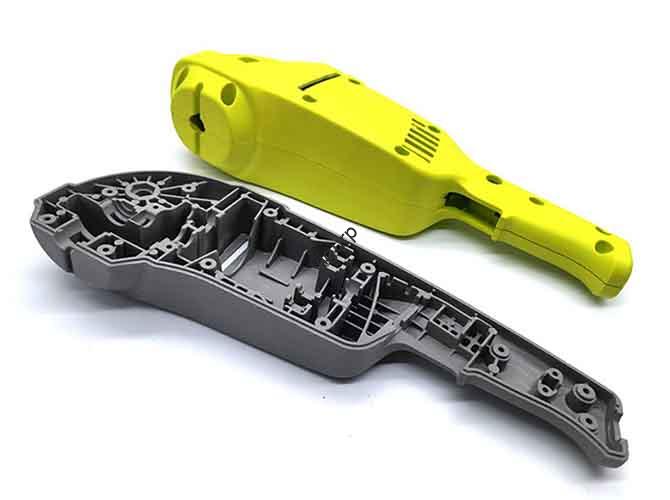
If you are a business looking for reliable, cost-effective injection molding solutions, Poland has emerged as a top European destination. The country combines skilled labor, competitive pricing, access to major European markets, and a growing network of advanced manufacturing facilities. Whether you are producing automotive parts, medical devices, or consumer goods, Poland’s injection molding sector can meet your needs while keeping lead times and costs in check. This guide covers everything you need to know to work with Polish injection molders, from market strengths to practical tips for choosing a partner.
What Are the Key Advantages of Injection Molding in Poland?
Proximity to European Markets
Poland’s central location in Europe is a game-changer for businesses selling to EU countries. Most major European markets—including Germany, France, and the UK—are within a 1–3 day trucking radius. This cuts shipping times for just-in-time production and reduces logistics costs by 20–30% compared to sourcing from Asia, according to the Polish Investment and Trade Agency (PAIH). A German automotive supplier switched from a Chinese molder to a Polish one and saw delivery lead times drop from 6 weeks to 2 weeks, eliminating stockouts and improving relationships with car manufacturers.
Cost Competitiveness
While Western European countries like Germany or Switzerland offer top-tier injection molding, their labor and operational costs are significantly higher. Poland provides a middle ground: labor costs for skilled manufacturing workers are approximately 40–50% lower than in Germany (2024 Eurostat data), yet the quality meets EU standards. This translates to lower per-unit costs—typically 15–25% less than Western Europe—without compromising material quality or precision. Small and medium-sized businesses especially benefit, accessing high-quality molding without breaking their budget.
Skilled Workforce and Technical Expertise
Poland has invested heavily in technical education, with over 50 universities and vocational schools offering programs in mechanical engineering, plastics technology, and advanced manufacturing. Polish injection molders employ workers trained in the latest techniques, from 2-shot molding to micro-injection for medical parts. Many molders have decades of experience serving industries like automotive and medical devices. Plastpol, Poland’s largest plastics trade fair, attracts over 1,200 exhibitors yearly—including local molders showcasing expertise in complex part design and material innovation.
Compliance with EU Regulations
For businesses selling into the EU, compliance with standards like REACH for chemicals and CE marking is non-negotiable. Polish injection molders are well-versed in these regulations, having been part of the EU since 2004. This eliminates the risk of costly delays or rejections due to non-compliance. Medical device manufacturers can work with Polish molders certified to ISO 13485, ensuring parts meet strict healthcare standards. Food-contact parts adhere to EU Regulation (EC) No 10/2011 for plastics in food applications.
What Is the Current State of Poland’s Injection Molding Market?
Market Size and Growth
Poland’s plastics processing industry, including injection molding, is valued at over €12 billion annually (2024 PAIH report), making it the 4th largest in Europe. Injection molding accounts for roughly 45% of this, or about €5.4 billion. The market grows at a steady 5–7% per year, driven by demand from automotive, medical, and packaging sectors. Over 60% of Polish molders have upgraded their equipment in the last 3 years to include automation, 3D printing for prototyping, and AI-driven quality control.
Top Sectors Served
| Sector | Share | Key Products |
|---|---|---|
| Automotive | 35% | Dashboard parts, sensor housings, connectors |
| Medical Devices | 20% | Syringe components, implant parts, diagnostic tool casings |
| Packaging | 18% | Food containers, cosmetic packaging, closures |
| Consumer Goods | 15% | Household appliance parts, toy components |
| Industrial/Engineering | 12% | Gear housings, pump parts, electrical enclosures |
The automotive sector is largest because Poland is a major hub for car manufacturing—companies like Volkswagen, Toyota, and Fiat have factories in the country. Injection molders near these facilities offer just-in-time delivery, a huge advantage for automotive suppliers.
Emerging Trends
Sustainability: EU regulations like the Circular Economy Action Plan push molders to use more recycled plastics and reduce waste. Many Polish companies offer “green molding” options, using up to 50% recycled PP or PCR in parts without losing strength. A Warsaw-based molder helped a packaging client switch to 30% recycled PET, cutting their carbon footprint by 22% and meeting EU sustainability goals.
Automation: To boost efficiency and reduce errors, Polish molders invest in robotic arms for part removal, automated quality checks using cameras and sensors, and lights-out manufacturing with 24/7 production. A 2024 Polish Plastics Association survey found that 78% of mid-sized to large molders use at least some automation, up from 55% in 2020. This speeds up production and improves consistency—critical for industries like medical devices.
How to Choose the Right Injection Molding Partner in Poland?
Define Your Project Requirements Clearly
Before reaching out to molders, outline key details:
- Part specifications: Material type such as ABS, PP, or medical-grade PE, size, weight, and tolerance requirements like ±0.01mm for precision parts
- Volume: Small prototype runs of 100–500 parts or mass production of 10,000+ parts
- Industry standards: Compliance with ISO 9001 for quality, ISO 13485 for medical, or IATF 16949 for automotive
- Timeline: When you need samples and full production
Being clear helps narrow down molders specializing in your needs. A molder focused on low-volume consumer goods may not have equipment for high-volume automotive parts.
Verify Certifications and Experience
Check certifications as a quick way to confirm quality:
- ISO 9001: Basic quality management (most molders have this)
- IATF 16949: For automotive parts (required by major car brands)
- ISO 13485: For medical devices (non-negotiable for healthcare products)
- FDA Registration: For food contact or medical use in the US
Ask for case studies or references from clients in your industry. A molder experienced with similar products understands your challenges. For medical devices, ask if they’ve produced parts for syringes versus implants and how they ensured sterility.
Evaluate Their Technical Capabilities
Ask about equipment and capabilities:
- Machine size: Can they handle your part size? A molder with only small machines up to 100 tons clamping force can’t produce large parts like automotive bumpers
- Specialized techniques: Do they offer 2-shot molding for parts with two materials, overmolding for soft-touch on hard parts, or micro-injection for tiny parts like medical sensors?
- Prototyping: Can they create prototypes quickly using 3D printing or low-cost tooling to test designs before full production?
A good molder also offers design for manufacturing (DFM) support—helping tweak part designs to reduce costs and improve producibility. One Polish molder suggested adding draft angles to a client’s part, cutting tooling costs by 15% and reducing production time.
Assess Communication and Logistics
Working with a molder in another country can be challenging with poor communication. Look for molders that:
- Have English-speaking project managers to avoid misunderstandings
- Provide regular updates like weekly reports on production progress
- Offer transparent pricing with no hidden fees for tooling, shipping, or revisions
Ask about logistics networks. Can they arrange shipping to your location in Europe or globally? Do they have experience with customs clearance for international shipments? A molder with strong logistics partners ensures parts arrive on time and in good condition.
What Common Challenges Exist When Working with Polish Injection Molders?
Challenge 1: Language Barriers
While most mid-sized to large molders have English-speaking staff, smaller shops may not. This can lead to miscommunication about part specs or timelines.
Solution: Prioritize molders with English-speaking project managers. For smaller shops, consider hiring a local translator for key meetings like design reviews or factory visits. Put all agreements in writing in English to avoid confusion.
Challenge 2: Tooling Lead Times
Tooling can take 4–8 weeks to produce in Poland, longer than some businesses expect.
Solution: Plan ahead. Start the tooling process as soon as your design is finalized. Ask if the molder offers “quick-turn” tooling for urgent projects—some can produce simple molds in 2–3 weeks for a premium.
Challenge 3: Cultural Differences
Polish businesses tend to be more formal than, say, US companies. Meetings may focus on details and data, and decisions can take longer.
Solution: Be patient and prepared. Come to meetings with clear documentation like part drawings and specs, ready to discuss technical details. Build relationships over time—Polish molders value long-term partnerships. Visiting their facility if possible helps establish trust.
Conclusion
Poland’s injection molding market, valued at €5.4 billion with 5–7% annual growth, offers strategic advantages including proximity to EU markets with 1–3 day shipping, labor costs 40–50% lower than Germany, and cost savings of 15–25% versus Western Europe. Serving automotive (35%), medical (20%), and packaging (18%) sectors, Polish molders invest in sustainability with up to 50% recycled materials and automation with 78% of mid-sized to large firms using advanced systems. Choosing the right partner means defining requirements, verifying certifications, evaluating technical capabilities, and assessing communication. With solutions for language barriers, tooling lead times, and cultural differences, Poland provides reliable, cost-effective injection molding for global businesses.
FAQ About Injection Molding in Poland
How much does injection molding in Poland cost compared to other European countries?
Polish injection molding costs are typically 15–25% lower than in Western Europe like Germany or Switzerland, and 10–15% higher than in Eastern European countries like Romania or Bulgaria. A small plastic part of 10g in high volume of 100,000+ units might cost €0.10–€0.15 per unit in Poland, compared to €0.18–€0.22 in Germany.
Do Polish injection molders work with international clients?
Yes—most mid-sized to large Polish molders have experience with international clients in the US, UK, and Asia. They handle customs clearance, international shipping, and compliance with non-EU standards such as FDA for US medical parts.
What materials do Polish molders commonly work with?
Polish molders use all major thermoplastics including PP, ABS, PE, PC, and nylon. They also offer specialty materials like medical-grade plastics such as PEEK for implants, flame-retardant plastics for electrical parts, and recycled resins for sustainable projects.
How long does it take to get samples and start production?
Sample lead times typically range from 1–2 weeks for simple parts using existing tooling to 3–4 weeks for custom parts requiring new tooling. Full production usually starts 4–8 weeks after tooling is finalized, depending on volume and complexity.
Are Polish injection molders able to handle large-volume production?
Yes—many Polish molders have multiple injection molding machines, some with 500+ tons of clamping force, and handle high-volume production runs of 100,000+ parts. Some even offer 24/7 manufacturing to meet tight deadlines.
Discuss Your Projects with Yigu Rapid Prototyping
Ready to start your injection molding project in Poland? Yigu Technology combines global manufacturing expertise with practical support for businesses seeking European manufacturing partners. We help automotive suppliers, medical device companies, packaging manufacturers, and consumer goods firms select the right injection molding processes and Polish partners. Our AI-powered design tools optimize your parts for manufacturing—reducing material usage and speeding up production. We connect you with vetted Polish providers holding ISO 9001, IATF 16949, or ISO 13485 certifications matching your industry requirements. From tooling design to production and assembly, our team reviews your designs for manufacturability and ensures compliance with EU regulations. Contact Yigu Rapid Prototyping today to discuss your injection molding needs and discover how we can help you manufacture efficiently, sustainably, and cost-effectively in Poland.