
Introduction
Launching a new product is exciting, but it comes with a big challenge: turning your idea into something real that you can hold, test, and refine. That is where product prototype companies come in. They build the physical models that let you see if your design works, how it feels, and whether people want it. A good prototype saves you from costly mistakes, speeds up your timeline, and helps you get to market faster. A bad one wastes time and money. With so many companies out there, how do you pick the right one? This guide will walk you through everything you need to know: what these companies do, what capabilities to look for, how to compare them, and how to make a smart choice for your project.
What Role Do Product Prototype Companies Play in Development?
Product prototype companies bridge the gap between your concept and a market-ready product. They take your ideas—whether rough sketches or detailed CAD files—and turn them into physical models that you can test, show, and validate.
They offer services for every stage of development:
- Early-stage concept models: Rough models that show basic form and size. Great for getting team alignment and early feedback.
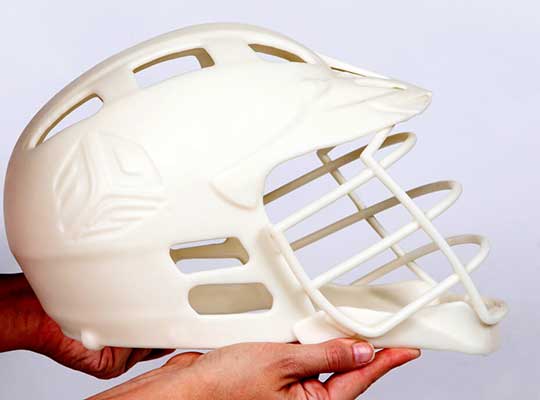
- Appearance prototypes: High-quality models that look like the final product. Used for investor presentations and market research.
- Functional prototypes: Working models that test usability, mechanics, and real-world performance.
- Pre-production prototypes: Nearly final builds that verify manufacturing processes and materials before full production.
By working with professional prototype companies, you catch design flaws early, refine based on real feedback, and reduce the risk of expensive production errors.
What Key Capabilities Should You Look For?
When evaluating prototype companies, focus on these core capabilities.
Diverse Prototyping Services
A good company should offer a range of services to match your needs at different stages.
- Concept models: Quick, low-fidelity models to explore ideas.
- Appearance models: High-fidelity models that showcase aesthetics.
- Functional prototypes: Working models to test performance.
- Pre-production prototypes: Final validation before tooling.
Advanced Technology and Equipment
The best companies invest in state-of-the-art technology. Look for:
- High-accuracy 3D printers (SLA, SLS, MJF, PolyJet).
- CNC machining equipment for metal and plastic parts.
- Injection molding machines for production-like prototypes.
- Vacuum casting tools for small batches.
- Access to a wide range of materials—ideally over 100 different options—so they can match your final production material.
Experienced and Skilled Teams
Technology is only as good as the people running it. Look for teams where engineers have 10+ years of experience. They bring insights that help you avoid common pitfalls and optimize your design for prototyping and production. A user-centric approach—running focus groups, gathering feedback—ensures the prototype meets real needs.
Rapid Turnaround Times
Speed matters. The right company can deliver prototypes in days, not weeks. They should be able to build and test early-stage functional models quickly and cost-effectively, even on tight timelines.
How Do Different Types of Prototype Companies Compare?
Not all prototype companies are the same. Some specialize in one technology; others offer a full range of services.
| Capability | 3D Printing Specialists | CNC Machining Experts | Injection Molding Producers | Full-Service Companies |
|---|---|---|---|---|
| Primary Technology | 3D printers (SLA, SLS, etc.) | CNC mills and lathes | Molds and injection equipment | Combination of all technologies |
| Material Options | Wide range of plastics and resins | Metals, plastics, composites | Thermoplastics, elastomers | Extensive, 100+ materials |
| Accuracy | High, good for detailed parts | Very high, tight tolerances | Good, consistent | High across all methods |
| Turnaround Time | Fast, 1–3 days | Moderate, 3–7 days | Longer, 2–4 weeks (mold creation) | Varies, 1–14 days |
| Best For | Concept models, complex geometries | Functional metal parts, high-precision components | Pre-production runs, large-volume prototypes | End-to-end prototyping, diverse projects |
What Are the Benefits of Partnering with Professional Prototype Companies?
Reduced Risk of Costly Errors
Testing functional prototypes early identifies issues before production. Fixing a design flaw at the prototype stage costs a fraction of what it costs to fix after tooling or during production.
Enhanced User-Centric Design
Professional companies use user testing and feedback to refine designs. This leads to products that are more intuitive, desirable, and likely to succeed in the market.
Accelerated Time-to-Market
By delivering testable products quickly, they help you move faster than competitors. A minimum viable product (MVP) approach cuts out unnecessary complexity and speeds development.
Access to Expertise and Innovation
They stay current with the latest technologies and trends. They bring best practices and innovative solutions to your project, ensuring you benefit from advanced prototyping methods.
How Do You Evaluate and Select the Right Company?
Follow this step-by-step guide.
Step 1: Define Your Project Requirements
Be clear about what you need.
- What type of prototype? Concept, appearance, functional, pre-production?
- What material? Should it match the final production material?
- What timeline? When do you need it?
- What budget? Be realistic.
Step 2: Research and Shortlist Companies
Search online and in industry directories. Look for companies with a proven track record, positive reviews, and experience in your industry (medical, consumer, industrial, etc.).
Step 3: Review Their Portfolio and Case Studies
Look at past projects. Do they show quality work? Do they have experience with parts like yours? Case studies demonstrate their ability to solve problems and achieve results.
Step 4: Evaluate Technical Capabilities
Do they have the right technology and materials for your project? Ask about their equipment, quality control processes, and certifications (ISO 9001, for example).
Step 5: Assess Communication and Collaboration
Are they responsive? Do they ask questions to understand your project? A good partner involves you in the process and communicates clearly.
Step 6: Request Quotes and Compare
Get quotes from several shortlisted companies. Compare not just price, but also the scope of services, timeline, and deliverables. Be wary of unusually low prices—they often mean compromised quality.
Conclusion
Choosing the right product prototype companies is a critical decision that affects your product’s success. Look for companies with diverse services, advanced technology, experienced teams, and fast turnaround. Understand the differences between specialists—3D printing, CNC, injection molding—and full-service providers. Evaluate them based on your specific needs: type of prototype, material, timeline, and budget. Review their portfolio, check their technical capabilities, and assess their communication. A great prototyping partner helps you catch errors early, design with user feedback, and get to market faster. They are an investment in your product’s future.
FAQ About Product Prototype Companies
Q1: What types of prototypes can these companies create?
A: They can create concept models for early visualization, appearance prototypes for showcasing aesthetics, functional prototypes for testing usability, and pre-production prototypes to verify manufacturing processes.
Q2: How long does it take to get a prototype?
A: It varies. Simple 3D printed prototypes can be ready in 1–3 days. CNC-machined parts may take 3–7 days. Injection-molded prototypes can take 2–4 weeks due to mold creation. Full-service companies can handle a range of timelines.
Q3: How much does it cost to work with a prototype company?
A: Costs depend on prototype type, size, material, quantity, and complexity. Simple concept models are relatively affordable. High-precision functional prototypes or pre-production runs cost more. Always request a quote based on your specific project.
Q4: Should I choose a specialist or a full-service company?
A: It depends on your project. If you need a simple 3D printed concept model, a specialist may be fine and faster. If you have a complex product that may require multiple iterations and different processes (3D printing, then CNC, then molding), a full-service company can manage the entire journey seamlessly.
Q5: What questions should I ask before hiring a prototype company?
A: Ask about their experience with similar projects, the technology and materials they use, their quality control process, typical turnaround times, and how they handle design feedback and iterations. Request references and case studies.
Discuss Your Projects with Yigu Rapid Prototyping
At Yigu Rapid Prototyping, we are one of the trusted product prototype companies that combines advanced technology with deep engineering experience. We offer a full range of services—3D printing (SLA, SLS, MJF, PolyJet), CNC machining, injection molding, and vacuum casting. Our team has decades of experience helping clients in medical, consumer, industrial, and automotive markets. We work with you from concept to pre-production, ensuring your prototypes are accurate, functional, and delivered on time. Contact Yigu today to discuss your project and get a free quote.