
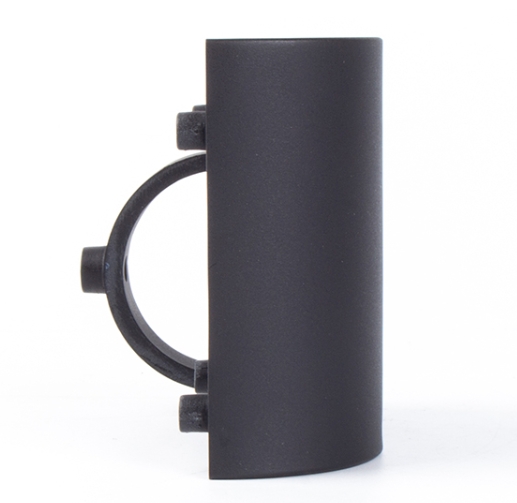
Even the most precise CNC machining leaves tiny flaws on a part. You might see tool marks, small burrs, or rough edges on your raw parts. Sanding is the vital bridge between a rough machine cut and a professional surface finish. This process refines the shape and prepares your CNC plastic prototypes for painting or clear coating. In this guide, we will show you how to choose the right tools and master the steps for a flawless result.
Why Sand Your CNC Plastic Prototypes?
Sanding is not just about making a part look good. For engineers and designers, it is a functional requirement. If you work with ABS, Polycarbonate (PC), or Acrylic (PMMA), you know that surface quality matters.
- Remove Machining Marks: CNC tools leave fine ridges. Sanding removes these so the part matches your 3D design perfectly.
- Better Adhesion: Paint and glue need a slightly textured surface to “grip.” A sanded part prevents peeling or bubbling later.
- Ensure Proper Fit: Sometimes, a part is a few microns too large. Light sanding can correct these size deviations so parts snap together.
- Client Presentations: A smooth, matte, or glossy finish looks more expensive. It helps you sell your ideas to stakeholders.
Which Sandpaper Grit Is Right?
Grit selection is the most important part of the job. Sandpaper is ranked by the number of particles per inch. Lower numbers are coarse; higher numbers are fine. You must follow a progressive sanding path to avoid deep scratches.
Sandpaper Grit Comparison Table
| Grit Range | Type | Best For | Resulting Roughness |
| 80–120 | Coarse | Removing tool marks and heavy burrs. | 10–20 μm |
| 240–400 | Medium | Smoothing scratches from coarse grit. | 5–10 μm |
| 600–800 | Fine | Creating a smooth base for painting. | 2–5 μm |
| 1000–1200 | Extra-Fine | Preparing for a mirror-like finish. | 1–2 μm |
Expert Note: Never skip a grit level. Moving from 120-grit directly to 600-grit is a mistake. The fine grit cannot remove the deep valleys left by the coarse paper. You will waste time and ruin the finish.
Should You Use Manual or Electric Tools?
The tool you choose depends on the complexity of your CNC plastic prototypes.
- Manual Sheets: Best for small parts and tight corners. They offer the most control.
- Sanding Blocks: Perfect for flat surfaces. They help you maintain even pressure.
- Electric Orbital Sanders: Great for large, flat panels. They save time but can quickly remove too much material.
- Mini Die Grinders: Use these for tiny holes or deep internal gaps.
How to Sand Step-by-Step?
Follow this logic to achieve a professional result every time.
Step 1: Initial Coarse Sanding
Start with 80-grit or 120-grit. Secure your part in a clamp. Sand in one straight line rather than circles. This prevents swirl marks. Wipe the part with a cloth to check if the heavy machining ridges are gone.
Step 2: Intermediate Medium Sanding
Switch to 240-grit paper. Use lighter pressure now. Sand at a 45-degree angle to your first marks. This “cross-hatching” helps you see when the old scratches disappear.
Step 3: Detailed Fine Sanding
Use 600-grit to 800-grit. For curved parts, use a flexible sanding sponge. It hugs the shape of the plastic. By the end of this step, the part should feel very smooth to the touch.
Step 4: Final Polishing Steps
If you need a glossy look, use 1000-grit with a little water. This “wet sanding” reduces heat and dust. Finally, apply a polishing compound with a soft cloth. Rub in circles for two minutes to get a high shine.
How to Ensure Safety?
Plastic dust is fine and can irritate your lungs. Always wear an N95 mask and work in a room with a fan or open window. We recommend nitrile gloves. They keep your finger oils off the plastic. Oil can ruin the bond if you plan to paint the prototype later.
How Yigu Technology Handles Sanding
At Yigu Technology, we treat sanding as a high-precision task. We don’t just “rub paper” on a part. Our team uses a strict 80-240-600-1000 grit sequence to ensure a zero-scratch surface.
We recently worked on an Acrylic (PMMA) medical housing. By using wet sanding and a proprietary clear coat, we boosted scratch resistance by 40%. We also use digital calipers to check dimensions every 10 minutes. This ensures the part stays within a ±0.1mm tolerance even after heavy sanding.
Conclusion
Sanding is the secret to a great CNC plastic prototype. It turns a raw, machine-cut part into a professional model. By choosing the right sandpaper grit and following a logical flow, you ensure your parts look, feel, and function perfectly. Whether you want a matte finish or a glossy mirror look, patience and the right tools are your best friends.
FAQ
Do I need different methods for ABS and Acrylic?
Yes. ABS is soft, so use less pressure to avoid melting the plastic. Acrylic (PMMA) is hard and brittle. You should use wet sanding earlier in the process to prevent cracks and keep the part cool.
How do I fix over-sanding?
If you sand too much, use a plastic filler. Apply a small amount, let it dry for 30 minutes, and then sand it smooth with 400-grit paper. It is always better to sand slowly and check your work often.
Can I skip sanding if the part looks smooth?
We do not recommend it. Even a “smooth” CNC part has micro-tool marks. If you skip sanding, your paint will likely peel off within weeks.
Discuss Your Projects with Yigu Rapid Prototyping
Are you looking for high-quality CNC plastic prototypes with a perfect finish? At Yigu Rapid Prototyping, we combine advanced machining with expert hand-finishing. We can help you choose the best materials and coatings for your specific needs. Contact us today to start your next project!