
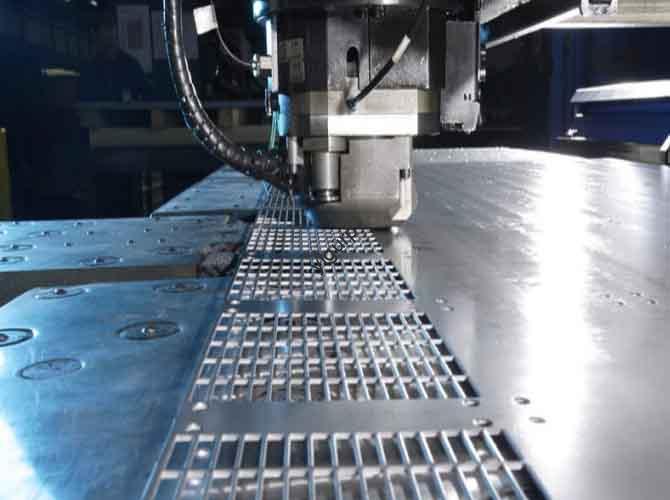
This guide helps you build a precise, functional CNC digital photo frame prototype. Whether you’re a product designer, electronics brand, or hobbyist, we break down each step in simple, everyday English. We focus on real-world experience, clear data, and practical tips—no advanced engineering skills needed. By the end, you’ll know how to create a prototype that looks great, works smoothly, and fits real user needs.
What Prep Do You Need First?
Good preparation avoids mistakes and ensures your prototype meets functional, aesthetic, and user needs. Follow this linear, easy-to-follow sequence before CNC machining.
Analyze Product Needs
Start by defining what your digital photo frame must do. Focus on three core areas: function, structure, and appearance. These details guide every other decision.
| Requirement Type | Key Details | Why It Matters |
| Core Functions | 7/10-inch LCD (16:9), USB/HDMI ports, button control (power/menu) | Ensures the frame works as users expect—no connectivity issues |
| Structural Needs | ≤300g, ≤20mm thick, stand tilts 30°-60° | Makes the frame lightweight, slim, and easy to place |
| Appearance | Transparent bezel (optional), hidden buttons, Φ1-2mm heat holes | Looks sleek and prevents circuit board overheating |
Real Case Example: A client once skipped heat dissipation holes in their prototype. During testing, the circuit board overheated after 1 hour of use, damaging the screen. We added Φ1.5mm heat holes and re-machined the back panel—delaying the project by 2 days. Always prioritize functional details!
Do Structural Design
Focus on internal and external structure to ensure fit and functionality. Keep these key points in mind:
- Internal: Screen groove (matches screen size, 0.1-0.2mm gap), PCB cavity (with fixing pillars), battery compartment (if wireless).
- External: Stand axis (5-8mm diameter, 0.5-1N·m torque), button grooves (2-3mm deep), interface cutouts (USB:12×6mm, HDMI:14×5mm).
Pro Tip: The screen groove gap is critical. Too tight, and the screen won’t fit. Too loose, and it will shake. Stick to 0.1-0.2mm.
Create 3D Models
Use easy-to-learn CAD software (SolidWorks or UG NX) to build your 3D model. Precision is key—small errors here cause big problems later.
- Overall precision: ±0.05mm tolerance for all components.
- Split into parts: Front frame, back panel, stand, button plate (all machinable).
- Add draft slope (≥3°) for future mass production demolding.
- Ensure acrylic parts have no hidden machining marks (critical for transparency).
Choose the Right Materials
Pick materials based on function, machinability, and aesthetics. We recommend these options (balanced for performance and cost):
| Component | Recommended Material | Why It Works |
| Front Frame | Aluminum 6061/6063 (1.5-2mm) or Acrylic (3-5mm) | Aluminum: Premium texture. Acrylic: Transparent, sleek look. |
| Back Panel | ABS/PC Alloy (2-3mm) | Low cost, impact-resistant, easy to machine. |
| Stand | Aluminum Alloy or ABS | Aluminum: Sturdy. ABS: Lightweight, cost-effective. |
| Button Plate | PC Plastic (1-1.5mm) | Wear-resistant for frequent button presses. |
Pretreat Materials
Prepare raw materials to avoid machining errors. Follow these simple steps:
- Cut raw materials into blanks. Leave 0.5-1mm of machining allowance (extra material to trim).
- Aluminum alloy: Use bandsaw cutting. ABS/acrylic: Use laser cutting (clean, precise).
- Anneal aluminum alloy (300-350°C for 1-2 hours) to reduce internal stress.
- Dry ABS/acrylic (80-100°C for 2-3 hours) to remove moisture (prevents bubbles).
Expert Insight: Acrylic is tricky to machine. Skip drying, and you’ll get bubbles in the final part. We once had to re-machine 10 acrylic bezels because of this mistake.
How to Prep for CNC Machining?
Proper prep before machining ensures speed, precision, and smooth operation. This section covers materials, tools, programming, and fixtures.
Choose Materials & Tools
The right materials and tools directly impact quality. Use this table as a quick guide:
| Category | Specific Options | Application |
| Housing Materials | Aluminum 6061 (3-5mm), ABS (2-3mm), Acrylic (3-5mm) | Front frames, back panels, transparent bezels |
| Structural Parts | Aluminum rod (8-10mm), PC sheet (1-1.5mm) | Stand axis, button plates |
| Rough Machining Tools | Φ8-12mm flat-bottom cutter (aluminum/ABS), Φ6-8mm (acrylic) | Quickly remove excess material from large parts |
| Finishing Tools | Φ4-6mm ball-head cutter, Φ1-2mm drill bit, Φ2-3mm root-clearing cutter | Precise details (button grooves, interface cutouts) |
| Special Tools | M2-M4 taps, laser engraver | Threaded holes, button symbols/logos |
Program & Design Fixtures
Good programming and stable fixtures prevent errors. Here’s how to do it simply:
CAM Programming
- Sub-zone machining: First outer contours, then internal details (avoids interference).
- Layered cutting: Roughing depth 0.5mm (aluminum/ABS) or 0.2mm (acrylic).
- Finishing depth: 0.1-0.2mm for smooth surfaces.
- Spiral feed: Use for curved surfaces (stand axis) to avoid joint marks.
This boosts efficiency and ensures parts fit together perfectly (±0.05mm tolerance).
Fixture Design
- Aluminum/ABS: Use precision vise with soft jaws (prevents scratches).
- Acrylic: Use vacuum adsorption with buffer pads (avoids cracking).
- Thin-walled parts (front frame): Add auxiliary supports (prevents vibration).
Fixtures keep workpieces stable, so dimensions stay accurate and surfaces stay scratch-free.
How to Do CNC Machining?
Now it’s time to turn your 3D model into physical parts. Focus on main components, key details, and quality checks.
Machine Main Components
Each component needs targeted machining steps. Follow this guide for best results:
| Component | Roughing Steps | Finishing Steps |
| Aluminum Front Frame | 1. Mill outer contour (retain 0.5mm allowance). 2. Mill screen groove. 3. Drill interface cutouts. | 1. Polish (Ra1.6-Ra3.2). 2. Chamfer edges (C0.5mm). 3. Tap M2-M3 holes. |
| Acrylic Front Frame | 1. Mill outer shape (retain 0.3mm allowance). 2. Mill screen groove. 3. Cut interface notches. | 1. Mirror polish (≥90% transmittance). 2. Remove marks. 3. Chamfer edges (C0.3mm). |
| ABS Back Panel | 1. Mill outer shape. 2. Mill PCB cavity/battery compartment. 3. Drill heat holes. | 1. Smooth cavity walls (Ra3.2). 2. Machine stand holes. 3. Deburr edges. |
| Aluminum Stand | 1. Turn axis (5-8mm, retain 0.3mm allowance). 2. Mill support arm. | 1. Polish axis (Ra1.6). 2. Machine positioning grooves. 3. Anodize (optional). |
Machine Key Details
Small details make a big difference in functionality. Focus on these critical areas:
- Screen Groove: Gap 0.1-0.2mm (no screen shake). Add 1-2mm positioning steps (secures screen).
- Button Grooves: 2-3mm depth, 0.1mm gap (ensures 1-1.5mm stroke, comfortable feel).
- Stand Axis: Coaxiality ≤0.03mm (smooth rotation). Add damping grooves (controls torque 0.5-1N·m).
- Interface Cutouts: USB (12×6mm), HDMI (14×5mm) (no cable damage when plugging in).
Check Machining Quality
Test parts during machining to avoid rework. Use these simple checks:
- Dimensional Check: Digital calipers (±0.05mm) for outer sizes. CMM (±0.03mm) for screen grooves/PCB cavities.
- Surface Quality: Roughness meter (Ra0.8-Ra3.2 for visible parts). No scratches >0.5mm.
- Fit Test: Screen in groove (no looseness), stand in back panel (smooth rotation), buttons in grooves (no stuck).
Real Case Example: A prototype had a stand axis with 0.05mm coaxiality (over the 0.03mm limit). The stand wobbled when rotated. We re-machined the axis to meet tolerance, and it worked perfectly. Precision matters!
What to Do After Machining?
Post-processing enhances performance and aesthetics. Assembly and testing ensure your prototype works as intended.
Surface Treatment
Treat materials based on their type to boost look and function:
| Material | Treatment Method | Effect |
| Aluminum (Frame/Stand) | Anodization + Sandblasting | Corrosion resistance (48h salt spray); matte texture (no fingerprints). |
| Acrylic (Frame) | Polishing + Anti-Scratch Coating | ≥90% transmittance; resists daily wear (500 steel wool tests). |
| ABS (Back Panel) | Painting + Silk Screen | Matches brand colors; clear button symbols/interface labels. |
| PC (Button Plate) | UV Coating | Wear-resistant (10,000 button presses, no fading). |
Assemble & Test
Follow this sequence for safe, correct assembly. Then test thoroughly to validate performance.
Assembly Process
- Pre-Check: Inspect parts for defects (no scratches, ≤0.05mm deviation). Gather screws, double-sided tape, gaskets.
- Screen Installation: Fix screen in front frame groove (double-sided tape, align with interfaces).
- PCB Installation: Fasten PCB in back panel cavity (M2 screws, 0.5-0.8N·m torque).
- Stand Assembly: Insert axis into back panel holes (add damping washer for torque control).
- Button Installation: Attach buttons to plate (snap-fit/glue, align with grooves).
- Final Assembly: Join front frame and back panel (M2-M3 screws, 1-1.2N·m torque, ≤0.1mm gap).
Testing Procedures
Test every aspect to ensure reliability. We use these tests for all our prototypes:
- Functional Tests:
- Interface Test: Plug/unplug USB/HDMI 50 times (stable connection, no damage).
- Button Test: Press each button 10,000 times (responsive, no stuck).
- Stand Test: Rotate 100 times (smooth, stable at 30°-60°).
- Aesthetic Tests:
- Color consistency (ΔE ≤1.5), no visible scratches/blemishes.
- Logo clarity (no smudging, alignment error ≤0.1mm).
- Durability Tests:
- Drop Test: 0.5m drop (foam pad, no structural damage).
- Heat Test: Run 2 hours (PCB temp ≤50°C, no overheating).
How to Use the Prototype?
CNC digital photo frame prototypes have many uses in product development. Here’s how they add value:
| Application | Uses | CNC Advantage |
| Design Verification | Test screen fit, stand stability, button feel. Optimize design. | ±0.05mm precision; re-machine in 2-3 days (rapid iteration). |
| Market Research | Display at electronics shows. Collect user feedback on look/function. | Matches final product quality; attracts customer attention. |
| Small-Batch Customization | Corporate gifts (logo engraving), high-end custom sizes. | No mold fees; cost-effective for ≤50 units. |
| Educational Training | Demonstrate structural design for industrial design students. | Clear internal structure; safe (no sharp edges). |
What Precautions to Follow?
These tips keep your prototype safe, precise, and cost-effective:
- Precision Control: Screen groove gap 0.1-0.2mm, stand axis coaxiality ≤0.03mm. Reserve ±0.1mm assembly tolerance.
- Material Adaptation: Aluminum: Use cutting fluid (avoids overheating). Acrylic: 6000-8000 RPM (prevents melting).
- Cost Optimization: CNC is best for ≤100 units. Mass production (>1000 units): Use injection molding (cuts cost 50-60%).
- Safety First: Wear safety glasses/gloves. Use fume extractors for painting/anodization.
Conclusion
Creating a precise CNC digital photo frame prototype is a step-by-step process—from design and preparation to machining, post-processing, assembly, and testing. The key is to prioritize precision, use the right materials and tools, and test thoroughly. You don’t need to be an expert, but attention to small details ensures your prototype looks great, works smoothly, and fits real-world use. By following this guide, you can turn your digital photo frame idea into a working prototype without unnecessary delays or mistakes.
FAQ
What materials are best for CNC digital photo frame prototypes? It depends on the component: Aluminum 6061 (front frames/stands, premium texture), acrylic (transparent bezels, high transmittance), ABS/PC (back panels, cost-effective), PC (button plates, wear-resistant). These balance machinability, function, and aesthetics.
Can CNC prototypes be used for mass production? No. CNC is for design testing, market research, and small batches (≤100 units). For mass production (>1000 units), use injection molding—it cuts per-unit cost by 50-60% and speeds up production.
How long does it take to make a CNC digital photo frame prototype? A simple prototype takes 6-8 days: 1-2 days design, 2-3 days machining, 1-2 days post-processing, 1 day assembly/testing. A complex prototype (transparent bezel, wireless design) takes 10-12 days.
How to ensure the screen fits perfectly in the frame? Control the screen groove gap to 0.1-0.2mm. Add 1-2mm positioning steps to secure the screen. Test-fit the screen during machining to adjust if needed.
Discuss Your Projects with Yigu Rapid Prototyping
At Yigu Rapid Prototyping, we specialize in high-quality CNC digital photo frame prototypes. With 10+ years of experience, we handle everything from design optimization to assembly and testing. Whether you need a simple ABS prototype or a custom acrylic frame, we tailor our process to your needs. Contact us today to discuss your project—we’ll help you shorten development cycles by 20-25% while keeping quality and functionality top priorities.