
How to Choose the Right CNC Manufacturing Company in 2026?

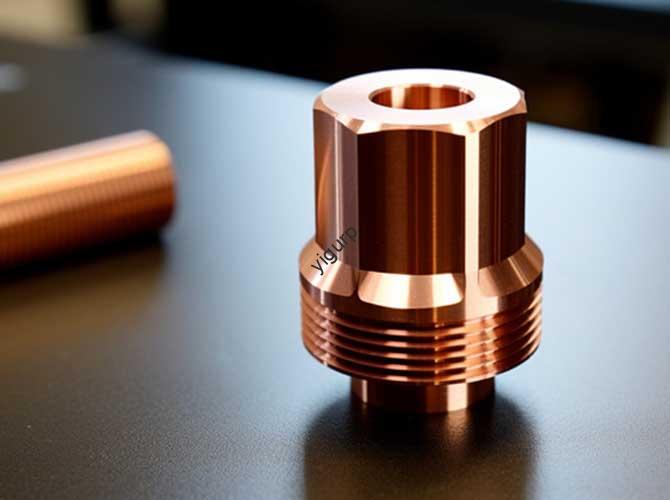
copper cnc machining

When embarking on a project that requires precision machining, selecting the right CNC manufacturing company is a critical decision that directly impacts product quality, production efficiency, and overall project success. With numerous CNC machining service providers available globally—from local firms to international giants—the selection process can be overwhelming. This article is designed to guide you […]

When embarking on a project that requires precision machining, selecting the right CNC manufacturing company is a critical decision that directly impacts product quality, production efficiency, and overall project success. With numerous CNC machining service providers available globally—from local firms to international giants—the selection process can be overwhelming. This article is designed to guide you through the key considerations for choosing a CNC manufacturing company, provide insights into top industry players, address common misconceptions, and offer practical advice to help you align your project needs with the right service partner. Whether you’re a small business owner, a product designer, or a procurement professional, the information here will equip you with the knowledge to make an informed decision.

An Overview of CNC Manufacturing Companies

A CNC manufacturing company specializes in computer numerical control (CNC) machining, a subtractive manufacturing process that uses pre-programmed computer software to control machine tools. These companies cater to a wide range of industries, including aerospace, automotive, medical, electronics, and consumer goods, by producing high-precision components and parts. The global CNC machining market is projected to reach $110.6 billion by 2028 (Grand View Research), driven by the increasing demand for customized parts and the adoption of advanced technologies like AI and IoT in machining processes. Below is a comparison of the key characteristics of CNC manufacturing companies across different regions:

RegionKey StrengthsTypical Service ScopeNotable Market Share (2025 Est.)
ChinaCost-effectiveness, large-scale production capacity, advanced machineryCustom machining, mass production, prototype development38%
North AmericaHigh precision, strict quality control, aerospace/medical expertiseHigh-precision components, small-batch production, engineering support25%
EuropeAdvanced technology, premium quality, automotive industry focusCustomized automotive parts, industrial components, R&D collaboration22%
Rest of the WorldLocalized service, niche market expertiseRegional market-specific parts, small-scale machining15%

Top CNC Manufacturing Companies Globally

Beyond China, several global companies stand out for their advanced technology, global reach, and industry expertise. Below is a curated list of key international CNC manufacturing company players:

  • Makino (Japan): A renowned CNC machine tool manufacturer; specializes in high-speed machining centers for aerospace and medical industries. Known for its precision and durability.
  • Haas Automation (USA): A global leader in CNC machine tools; offers a wide range of vertical and horizontal machining centers, lathes, and routers.
  • DMG MORI (Germany/Japan): A joint venture between German and Japanese firms; provides advanced 5-axis and multi-tasking machining solutions.
  • Fanuc (Japan): Leads in CNC control systems and industrial robots; integrates automation with machining for high-efficiency production.
  • Trumpf (Germany): Specializes in laser cutting and CNC punching machines; serves automotive, aerospace, and sheet metal industries.
  • CNC Manufacturing Pty Ltd (Australia): A leading local CNC manufacturing company in Melbourne; offers custom machining services for mining, agriculture, and construction industries.
  • Proto Labs (USA): Focuses on rapid prototyping and on-demand CNC machining; provides fast turnaround for small-batch production.
  • Yigu Technology: Focuses on custom CNC machining services; excels in prototype development and small-to-medium batch production for medical and consumer electronics.

What to Look For When Choosing a CNC Manufacturing Company

Selecting the right CNC manufacturing company requires a systematic evaluation of several key factors. The following sections break down each consideration to help you make an informed choice:

Experience and Reliability

Experience is a critical indicator of a CNC manufacturing company’s ability to deliver quality results. Look for companies with a proven track record in your industry—for example, a company specializing in medical device machining will have different expertise than one focused on automotive parts. A reliable company should be able to provide case studies, customer testimonials, and references.

Case Study: Yigu Technology worked with a leading medical device manufacturer to produce precision components for a new surgical instrument. The project required tight tolerances (±0.001mm) and compliance with medical industry standards. Leveraging 15 years of experience in medical CNC machining, Yigu developed a customized machining process, conducted rigorous quality checks at each stage, and delivered the components on time. The client reported a 20% improvement in production efficiency compared to their previous supplier.

Key questions to assess experience and reliability: How long have you been in the CNC manufacturing industry? Can you provide examples of projects similar to mine? What is your on-time delivery rate (aim for 95% or higher)?

Pricing

Pricing is a key consideration, but it should not be the sole deciding factor. A low price may indicate compromised quality, outdated machinery, or poor customer service. Conversely, a high price does not always guarantee the best service. When evaluating pricing, consider the following:

  • Cost structure: Does the company provide a detailed breakdown of costs (materials, labor, machining time, finishing)?
  • Value for money: Does the price align with the quality of work, turnaround time, and additional services (e.g., design support, quality testing)?
  • Volume discounts: Does the company offer discounts for large-volume orders?

According to a 2025 industry survey, the average cost of CNC machining services ranges from $50 to $150 per hour, depending on the complexity of the part, materials used, and the company’s location. For example, a simple aluminum part machined in China may cost $60 per hour, while a complex titanium part machined in the USA may cost $140 per hour.

Services

A full-service CNC manufacturing company can streamline your project by handling all aspects of the machining process, from design to delivery. Look for companies that offer the following services:

Service TypeDescriptionBenefit to Your Project
Design for Manufacturability (DFM) SupportAdvise on optimizing part designs for CNC machiningReduce production costs, improve part quality, shorten lead times
CNC Milling & TurningPrecision milling (3-axis, 4-axis, 5-axis) and turning servicesProduce complex and accurate parts in various shapes and sizes
Finishing ServicesAnodizing, plating, painting, polishing, and heat treatmentEnhance part durability, appearance, and performance
Quality Control & TestingInspection using CMM (Coordinate Measuring Machine), optical scanners, etc.Ensure parts meet design specifications and industry standards
Assembly & PackagingAssemble machined parts and package for shippingSimplify supply chain, reduce handling costs

Scalability

Your project needs may change over time—for example, you may start with a small prototype run and later scale up to mass production. A CNC manufacturing company with scalability can adapt to these changes without compromising quality or increasing lead times. Assess scalability by asking:

  • What is your maximum production capacity? Can you handle large-volume orders (10,000+ units) if needed?
  • Do you have additional machinery or production lines that can be activated for increased demand?
  • How do you manage production ramp-up times? Can you meet tight deadlines for scaled-up orders?

Example: A consumer electronics company initially ordered 500 prototype parts from a CNC manufacturing company. After positive market feedback, they needed to scale up to 50,000 units within 2 months. The company was able to accommodate the order by adding 2 more machining lines and adjusting their production schedule, delivering the parts on time without quality issues.

Certifications

Certifications are a testament to a CNC manufacturing company’s commitment to quality and compliance with industry standards. Key certifications to look for include:

  • ISO 9001: Quality management system certification (general manufacturing).
  • ISO 13485: Quality management system for medical device manufacturing.
  • AS9100: Quality management system for aerospace industry.
  • TS 16949: Quality management system for automotive industry.

A certified company is more likely to produce consistent, high-quality parts and adhere to strict quality control processes. For example, a company with ISO 13485 certification is essential if you’re manufacturing medical devices, as it ensures compliance with regulatory requirements from agencies like the FDA (USA) and CE (EU).

More Information on CNC Manufacturing Companies

Which Company is Best for CNC Machining?

There is no one-size-fits-all answer to this question—the best CNC manufacturing company for your project depends on your specific needs. To determine the right fit, consider the following factors:

  1. Project Requirements: What is the complexity of your part? What materials will be used? What are the tolerance requirements? Do you need additional services (e.g., finishing, assembly)?
  2. Industry Focus: Does the company have experience in your industry? For example, if you’re in the aerospace industry, choose a company with AS9100 certification and aerospace machining expertise.
  3. Budget and Timeline: What is your budget? What is your desired turnaround time? Does the company offer flexible pricing and lead time options?
  4. Location: Do you prefer a local company for easier communication and faster delivery, or are you open to international suppliers for cost savings?

For example, if you’re a startup developing a new medical device with a limited budget and tight timeline, a Chinese CNC manufacturing company like Yigu Technology (with ISO 13485 certification, prototype expertise, and cost-effective services) may be the best fit. If you’re a large aerospace company needing high-precision titanium parts, a global leader like Makino or DMG MORI may be more suitable.

Is CNC Machining Wasteful?

A common misconception about CNC machining is that it is wasteful due to the subtractive nature of the process (material is removed to create the part). While it’s true that some material waste is inevitable, modernCNC manufacturing company have implemented several strategies to minimize waste:

  • Optimized Nesting: Using software to arrange multiple parts on a single material block, reducing the amount of material used.
  • Material Recycling: Recycling metal chips and scrap material. For example, aluminum chips can be melted down and reused, reducing the need for virgin material.
  • Precision Machining: Reducing errors and rework, which minimizes material waste from defective parts.
  • DFM Support: Optimizing part designs to use less material while maintaining functionality.

According to the Association for Manufacturing Technology, modern CNC machining processes have a material utilization rate of 70-85% for most metals, which is significantly higher than traditional machining methods (50-60%). For example, a CNC manufacturing company using optimized nesting can produce 15-20% more parts from the same material block compared to traditional machining.

What Materials Cannot Be CNC Machined?

CNC machining is a versatile process that can handle a wide range of materials, including metals (aluminum, steel, titanium, brass), plastics (ABS, PEEK, nylon), wood, and composites. However, there are a few materials that are not suitable for CNC machining, primarily due to their physical properties:

  • Extremely Soft Materials: Materials like rubber, foam, and certain types of silicone are too soft to be held securely in CNC machines and will deform during machining.
  • Extremely Hard Materials: Materials with a hardness exceeding 65 HRC (Rockwell Hardness Scale), such as some ceramics and diamond, can damage CNC tooling and are difficult to machine with standard equipment. (Note: Specialized CNC machines with diamond-tipped tools can machine some hard ceramics, but this is costly and not widely available.)
  • Highly Brittle Materials: Materials like glass and some ceramics are prone to cracking and shattering during the machining process, making them unsuitable for most CNC applications.
  • Volatile or Flammable Materials: Materials that are highly flammable or emit toxic fumes when heated (e.g., some plastics and chemicals) are not suitable for CNC machining, as they pose safety risks.

If you’re working with a material that is challenging to machine, a reputable CNC manufacturing company will advise you on alternative materials or processes (e.g., 3D printing) that are more suitable for your project.

FAQ About CNC Manufacturing Companies

Q1: How do I verify the quality of a CNC manufacturing company? A1: You can verify quality by checking the company’s certifications (e.g., ISO 9001, AS9100), requesting samples of their previous work, reviewing customer testimonials and case studies, and asking for a quality control report for your project. Many companies also offer on-site audits for large or critical projects.

Q2: What is the typical lead time for CNC machining services? A2: Lead times vary depending on the complexity of the part, order volume, and the company’s production schedule. For small prototype orders (1-100 units), lead times are typically 3-7 business days. For large-volume orders (1,000+ units), lead times can range from 2-6 weeks. A reliable CNC manufacturing company will provide a clear lead time estimate upfront.

Q3: Can a CNC manufacturing company handle custom designs? A3: Yes, most CNC manufacturing companies specialize in custom machining and can handle unique designs. It’s important to provide detailed design files (e.g., CAD files) and communicate your requirements clearly. Many companies also offer DFM support to optimize your custom design for machining.

Q4: What is the difference between a CNC manufacturing company and a CNC machine tool manufacturer? A4: A CNC manufacturing company provides machining services to produce custom parts and components for clients. A CNC machine tool manufacturer designs and builds the CNC machines used in the machining process (e.g., Makino, Haas Automation). Some companies may offer both services, but they are distinct business models.

Q5: How do I communicate my project needs effectively to a CNC manufacturing company? A5: To communicate effectively, provide detailed information including: CAD files of your part, material specifications, tolerance requirements, quantity needed, finishing requirements, lead time expectations, and any industry standards or certifications required. A good company will also ask clarifying questions to ensure they understand your needs fully.

Discuss Your Projects Needs with Yigu

At Yigu Technology, we are a trusted CNC manufacturing company with over 15 years of experience in delivering high-precision machining solutions to clients worldwide. Our team of skilled engineers and technicians specializes in custom CNC milling, turning, and finishing services, catering to industries such as medical, electronics, automotive, and aerospace. We are committed to upholding the highest standards of quality, as evidenced by our ISO 9001 and ISO 13485 certifications, and our on-time delivery rate of 98%.

What sets Yigu apart from other CNC manufacturing company is our customer-centric approach. We work closely with you from the initial design phase to delivery, offering DFM support to optimize your part designs for cost and efficiency. Our state-of-the-art manufacturing facility is equipped with advanced 5-axis CNC machines, CMM inspection equipment, and automated production lines, allowing us to handle both small prototype runs and large-volume production with ease.

Whether you need a single prototype or 100,000 custom parts, we have the expertise and capacity to meet your needs. We understand that every project is unique, and we tailor our services to align with your budget, timeline, and quality requirements. Contact us today to discuss your project needs, and let our team help you bring your ideas to life with precision and efficiency.

Index
Scroll to Top