
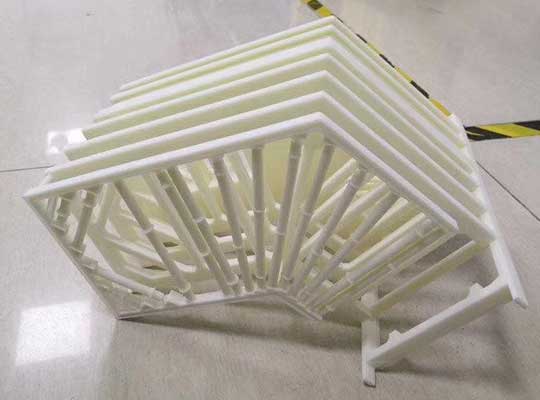
Getting a CNC-machined prototype right can be tricky. You want a part that’s precise, strong, and looks professional. But small oversights in planning can lead to big problems. This guide walks you through the essential precautions. We’ll cover everything from material prep and design tweaks to cost control and final checks. Follow these steps to boost your prototype’s quality, save on costs, and avoid common machining headaches.
Getting Started: The Foundation
Before the machine even starts, your preparation sets the stage for success. Rushing here often means flaws in the final part.
Why is material prep so critical?
The wrong material or poor preparation causes most early-stage failures. Your main goals are to prevent bubbles and choose the right material.
- Stop Bubbles Before They Start: When mixing plastics and hardener, air gets trapped. These bubbles weaken the structure. For a reliable fix, use a vacuum chamber. It pulls out air, cutting bubble risk by up to 90%. No vacuum machine? Try reducing the hardener by 10-15%. It’s less effective, but it helps.
- Match Material to Purpose: Don’t just pick what’s cheap or handy. Think: What does this part do? For strong, functional parts, use POM plastic or aluminum. For a display model that needs a great look, pick a plastic known for a smooth finish.
Smart Design for Easy Machining
Your design file is the machine’s instruction manual. A good design prevents the part from sticking or warping.
How can you prevent mold sticking?
Sticking ruins surfaces and wastes time. The fix is in surface prep. For rough or complex models, sand the surface smooth with 400-800 grit sandpaper first. Then, clean off all dust. Finally, apply a release agent evenly. This simple step can lower sticking risk by 80%.
How do you avoid part deformation?
The wrong material can bend or crack. The rule is simple: Softer plastics for delicate parts, harder ones for strong parts.
* Use soft plastic (10-20 Shore A) for small, detailed prototypes. It’s flexible, so details don’t break when removed.
* Use hard plastic (30-50 Shore A) for larger, sturdy prototypes. It holds its shape under stress.
Perfecting the Process
Precision happens when the machine settings and chemistry are just right. This means controlling the cure and picking the right tool for the job.
Why does hardener amount change with temperature?
Hardener works faster when it’s hot. In a shop above 25°C (77°F), reduce hardener by 10-15%. Too much makes the part brittle and prone to cracks. Too little can double the curing time, delaying your project.
Which machining process should you use?
CNC isn’t one process—it’s several. Picking the right one ensures accuracy and speed.
* Choose CNC Milling for flat surfaces, pockets, and complex 3D shapes.
* Choose CNC Turning for cylindrical, round, or conical parts like rods or handles.
Balancing Cost, Quality, and Safety
A great prototype is well-made, affordable, and produced safely. You don’t have to sacrifice one for the others.
| Aspect | Key Precautions | Main Benefit |
|---|---|---|
| Cost Control | Design to minimize waste; use cost-effective materials for non-critical areas. | Can cut total cost by 15-20%. |
| Quality Checks | Measure often with digital calipers (0.01mm accuracy); inspect the surface finish. | Catches errors early, ensuring a 95%+ success rate. |
| Safe Operation | Always wear safety glasses and gloves; keep the workspace clean and organized. | Prevents injury and protects the machine. |
The Final Touches: After Machining
The part is off the machine, but you’re not done. Post-processing turns a raw piece into a finished prototype.
What does post-processing involve?
This step enhances appearance and function. It can include:
- Grinding to remove rough edges.
- Polishing to get a shiny, professional look.
- Painting or coating for color and extra protection.
How do you manage delivery smoothly?
Plan backwards from your deadline. Build a clear timeline from material order to final shipping. Always include buffer time for unexpected delays. Good planning keeps your project on track and your clients happy.
Conclusion
Creating a top-quality CNC prototype is a detailed journey. It starts with smart material choice and bubble-free prep. It relies on designs made for machining and precise process control. By checking quality at each stage and never skipping safety, you manage risk. Finally, careful post-processing adds that professional finish. Master these steps. You’ll see fewer failed parts, better performance, and more efficient use of your budget.
FAQ
- What’s the best way to remove air bubbles from plastic resin?
For the best results, use a vacuum chamber during mixing. If you don’t have one, reducing the hardener amount by 10-15% can minimize bubbles. - How do I choose between a soft or hard plastic for my prototype?
Pick a softer plastic (10-20 Shore A) for small, complex parts with fine details. Choose a harder plastic (30-50 Shore A) for larger, simple parts that need to be strong and rigid. - Why do I need to adjust the hardener amount for temperature?
Heat speeds up the chemical reaction. In warmer conditions (over 25°C), use less hardener (10-15% less) to prevent the material from becoming brittle and cracking.
Discuss Your Projects with Yigu Rapid Prototyping
Have a prototype in mind? Putting these precautions into practice requires experience. At Yigu, our engineers specialize in guiding projects from CAD file to flawless finished part. We handle the complex material choices, precision machining, and detailed finishing for you. Let’s discuss how to make your next prototype precise, strong, and cost-effective. Reach out to our team for a consultation today.