
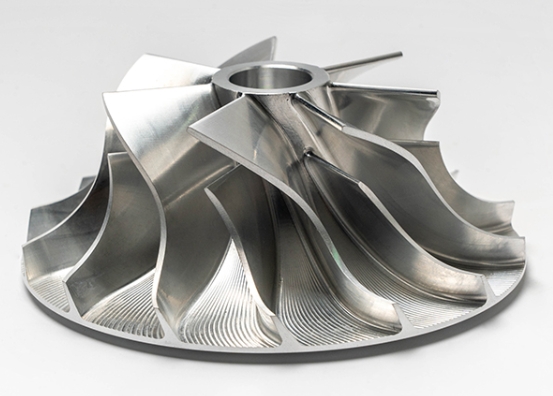
In the fast world of product development, you may hear about CNC metal prototype processing. But what does it actually mean for your business? Simply put, it is a manufacturing method that uses computer software to control tools. These tools carve metal prototypes from solid blocks. These physical models let you test and refine a design before you start mass production. This step saves money and reduces the risk of big mistakes later. Let us look at how this process works and why it matters.
What Metals Are Commonly Used?
Not all metals act the same during a build. Your choice depends on the final use of your product. You might need high strength or maybe just a light weight. Choosing the right metal material ensures your test results are accurate.
| Metal Material | Key Properties | Typical Application |
| Aluminum Alloy | Light (2.7 g/cm³), low cost | Phone frames, airplane parts |
| Copper | High conductivity (59.6 × 10⁶ S/m) | Heat sinks, electrical plugs |
| Stainless Steel | Strong (500 MPa), resists rust | Medical tools, car parts |
| Titanium Alloy | Ultra-strong (860–980 MPa) | Hip joints, jet engines |
| Zinc Alloy | Low melting point (385°C) | Toys, small hardware |
| Magnesium Alloy | Lightest (1.8 g/cm³), absorbs shock | Laptop cases, car frames |
How Does the Machining Process Work?
Creating a CNC metal prototype is a structured journey. It follows five core steps to reach high levels of precision.
Design and Digital Programming
First, engineers turn a sketch into a 3D model. They use CAD software like SolidWorks for this. Then, CAM software turns that model into code. This code tells the machine exactly where to move. One small error here can ruin the entire part.
Selecting the Raw Metal
Next, you choose a metal blank. This should match the material of your final product. If you want a steel medical tool, use steel for the prototype. This makes your functional testing more realistic.
Automated Machining on the Floor
The machine reads the code and gets to work. It uses drills and mills to cut away the extra metal. The process is fully automated. It reaches a precision level of ±0.005 mm. That is much thinner than a human hair.
Post-Processing and Finishing
After the cut, the part might have rough edges. Technicians use ultrasonic cleaners to remove oil and chips. They also perform deburring to smooth the sharp corners. You can also add anodizing or paint to improve the look.
Strict Quality Inspection
Finally, the part goes to the lab. We use CMM machines or 3D scanners to check the size. This step confirms the part fits perfectly with other components.
Why Choose CNC Over Other Methods?
CNC metal prototype processing beats other methods like 3D printing when realism is key. It offers four main benefits for the modern manufacturer.
High Precision and Repeatability
The machine follows the code exactly. This means every part is a perfect match. This is vital for industries like aerospace where safety is the top priority. Most parts meet tolerances of ±0.01 mm.
Real-World Material Testing
3D printers often use plastic or resin. CNC uses the real metal. You can see how a stainless steel part handles rust or how titanium takes the heat. You get data you can actually trust.
Better Surface Quality
CNC machining leaves a very smooth finish. The surface roughness can be as low as Ra 0.8 μm. This is perfect for luxury goods or high-end gadgets where the look is everything.
Faster Design Cycles
Did the prototype fail a stress test? Just change the code and run the machine again. You do not need to build new molds. This can cut your iteration time by up to 50%.
Which Industries Rely on These Prototypes?
Many sectors use this method to bridge the gap between a dream and a product.
- Aerospace: To test light, strong parts like turbine blades.
- Medical: To validate surgical tools that must be safe for the body.
- Automotive: To check how engine parts handle extreme heat.
- Consumer Electronics: To refine the feel of metal laptop shells.
Conclusion
CNC metal prototype processing is the best way to turn a design into a reality. It offers the precision, material truth, and speed that modern brands need. By testing a real metal model first, you avoid the high costs of production errors. It is a smart move for any team focused on quality.
FAQ About CNC Metal Prototype Processing
How long does it take to make a CNC metal prototype?
The time depends on how complex the part is. A simple bracket takes 1–3 days. A complex medical implant may take 5–7 days. Extra finishes add a day or two.
Is CNC machining more expensive than 3D printing?
For small plastic parts, 3D printing is cheaper. However, for high-precision metal parts, CNC is often better. It gives you real material data that printing cannot match.
Can these prototypes be used for small-batch production?
Yes! If you need 10–100 parts for beta testing, CNC is a great choice. It is faster than making molds and very cost-effective for small runs.
Discuss Your Projects with Yigu Rapid Prototyping
At Yigu Technology, we believe a great prototype is the heart of a successful launch. We help our clients reduce product development time by 40%. Our team uses advanced tech to reach ±0.005 mm precision. We solve the pain of production errors by catching them early in the prototype stage. Would you like us to review your design and provide a free quote for your next metal prototype?