
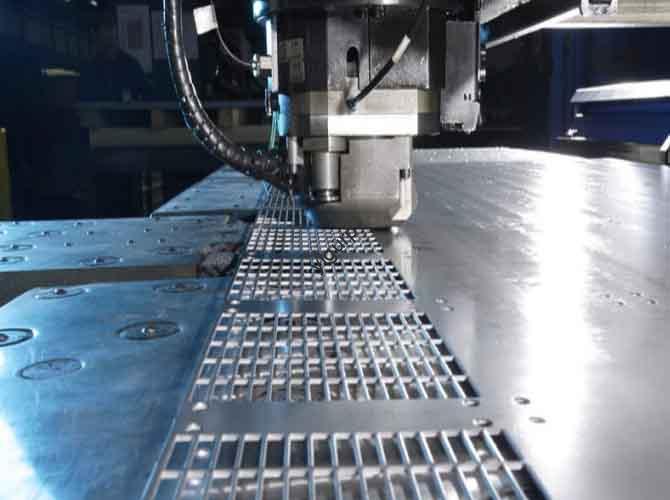
If you are searching for reliable, high-precision CNC machining services, Portugal should be at the top of your list. This small European nation has emerged as a powerhouse in precision manufacturing, blending centuries of craftsmanship with cutting-edge technology. In 2023, Portugal’s machine tool export value grew 17% year-over-year, with high-end CNC machines accounting for 62% of exports—solidifying its role as the EU’s southern precision manufacturing hub. Whether you need prototyping, low-volume production, or complex aerospace parts, Portuguese CNC shops deliver accuracy, flexibility, and competitive pricing. This guide explains why this market stands out.
Why Does Portugal Lead in European CNC Machining?
Strategic Location and Supply Chain Efficiency
Sitting at Europe’s western gateway, Portugal offers unparalleled logistical benefits. Lisbon Port’s proximity to major EU markets reduces shipping costs by 35% compared to routes through the Suez Canal. This bridge position lets CNC shops source materials like aluminum alloys from Spain or brass from Germany quickly and deliver finished parts to Paris, Berlin, or London in 2–3 days. CNC Proto, based near Lisbon, leverages this to offer 24-hour quotes and 5-day turnaround for prototype parts to European clients.
Government and EU Support
The Portuguese government’s “Industrial 2025” plan provides 13% tax credits for CNC machining companies investing in technology, plus R&D subsidies helping push precision to the nanoscale. EU funding from programs like Horizon Europe covers up to 30% of project costs for innovation. Unimec, a Portuguese firm, used EU grants to develop green processing technology cutting machine energy use by 40% , winning the 2023 European Green Manufacturing Award. These incentives make it easier for shops to adopt advanced tools like 5-axis machines or digital twin systems.
Skilled Workforce and Academic Partnerships
Portugal’s workforce combines technical training with a tradition of precision. Universities like the University of Porto and Lisbon Polytechnic run specialized CNC machining programs, partnering directly with companies to train students on live projects. This industry-academia collaboration ensures workers understand both machine operation and design for manufacturing (DFM). AGS Machining, a 43-year-old firm in Oporto, attributes its 0.005mm tolerance capabilities to this skilled labor pool—critical for their medical and aerospace clients.
What Core Capabilities Do Portuguese CNC Shops Offer?
Key Services
Most top shops provide a full suite of services to maintain quality control:
- CNC Milling: 3-axis to 5-axis capabilities for complex geometries. Machinedia’s 5-axis machines use a patented dynamic balance system to hold tolerances of ±0.002mm—ideal for aerospace parts.
- CNC Turning: 2-axis to multi-axis turning for cylindrical parts. Fagor’s turning centers use their own FGM-80 CNC system to achieve ±0.0005mm accuracy.
- Finishing: Anodizing, plating, powder coating, and painting. AGS Machining offers in-house finishing to protect parts from corrosion and improve aesthetics.
- Design Support: DFM optimization and 3D modeling. Many shops like AGS refine your 3D models or sketches to make production faster and cheaper.
Materials Expertise
Portuguese shops work with nearly every machinable material:
- Metals: Aluminum (6000/7000 series), stainless steel, brass, and copper—used heavily in automotive and energy industries.
- Plastics: POM, UHMW-PE, PEEK, and polyamides—critical for medical devices and food industry parts.
- Specialty Materials: Composites and exotic alloys for aerospace and defense.
CNC Proto specializes in aluminum and engineering plastics, optimizing tooling to offer lower prices for these materials while maintaining precision—making them a go-to for startups needing low-volume plastic parts.
Target Industries
Portuguese CNC machining serves a global client base:
- Aerospace: Machinedia’s 5-axis machines produce Airbus engine blades, cutting production time by 30% .
- Automotive: Fagor’s systems help Volkswagen’s electric vehicle lines achieve 99.7% battery shell processing qualification rate.
- Medical: Mecanix’s integrated processing and measuring technology enables orthopedic implants with a defect rate of just 0.02% .
- Energy and Railway: Ancor Precision supplies custom parts to wind turbine and train manufacturers.
Who Are the Top CNC Machining Companies in Portugal?
| Company | Specialization | Key Technology/Strength | Ideal For | Price Range (machines) |
|---|---|---|---|---|
| Machinedia | 5-axis milling | Dynamic Balance System (±0.002mm) | Aerospace, complex parts | €500k–€2M |
| Fagor | CNC turning & control | FGM-80 CNC system (±0.0005mm) | Automotive, high-volume | €300k–€1.5M |
| CNC Proto | Prototyping & low-volume | 24-hour quotes, 5-day turnaround | Startups, R&D | Service-based |
| AGS Machining | Full-service machining | 43 years experience, DFM support | Medical, industrial | Service-based |
| Unimec | Automated manufacturing | Adaptive Fixture System | Aerospace, large components | €700k–€2.5M |
How to Work with a Portuguese CNC Machining Partner?
Define Your Project Requirements
Be clear about:
- Designs: Share 3D CAD files or detailed 2D drawings with tolerances like ISO 2768 fine.
- Materials: Specify material type such as 6061 aluminum and any needed certifications.
- Volume: Prototyping (1–10 parts), low-volume (10–100), or high-volume (100+).
- Timeline: Include deadlines for quotes, samples, and final delivery.
Request Quotes from 2–3 Shops
Most shops like CNC Proto offer free quotes within 24 hours. Ask for:
- Breakdown of costs for machining, materials, and finishing
- Lead time estimates
- Quality control processes such as in-process measuring
Validate Their Expertise
- Ask for case studies related to your industry
- Check certifications like ISO 9001 for quality or ISO 13485 for medical
- Request a sample part for high-value projects—many shops offer this for a small fee
Collaborate on Design Optimization
Leverage their DFM expertise. AGS Machining often suggests small design tweaks like rounded corners that reduce machining time by 20–30% . This saves money and avoids production delays.
Monitor Production and Receive Delivery
Reputable shops provide updates like photos of in-progress parts and share inspection reports. Thanks to Portugal’s logistics, European clients get parts in 2–5 days; global clients in the US or Asia typically wait 1–2 weeks.
What Future Trends Shape CNC Machining in Portugal?
Digital Twin Technology
Shops like Fagor integrate digital twin systems to simulate production and predict maintenance needs. This cuts downtime by 30% —critical for high-volume clients like Volkswagen.
Green Manufacturing
EU regulations and consumer demand push shops to reduce waste. Unimec’s green machining technology uses 40% less energy, and many shops now recycle 95% of metal chips.
Advanced Automation
Collaborative robots and lights-out manufacturing become standard. Machinedia runs 24/7 production with cobots, increasing output by 50% without adding staff.
Conclusion
Portugal’s CNC machining sector excels at balancing precision, flexibility, and cost—an increasingly rare combination in global manufacturing. With machine tool export growth of 17% and high-end machines accounting for 62% of exports, the industry serves aerospace, automotive, medical, and energy sectors. Tolerances reach as low as ±0.0005mm from shops like Fagor, with lead times of 2–5 days for European clients. Government tax credits of 13% and EU funding up to 30% drive innovation. Working with Portuguese partners means defining requirements, validating expertise, and leveraging DFM support. With trends toward digital twins, green manufacturing, and automation, Portugal remains a strategic choice for precision CNC machining.
FAQ About CNC Machining in Portugal
What tolerances can Portuguese CNC shops achieve?
Most shops offer standard tolerances of ±0.10mm to ±0.05mm. Specialized firms like Machinedia and Fagor achieve ±0.002mm and ±0.0005mm respectively.
How long does it take to get parts from Portugal?
Prototypes for EU clients take 3–7 days; global clients wait 1–2 weeks. High-volume production takes 2–4 weeks depending on complexity.
Are Portuguese CNC services more affordable than other European countries?
Yes—labor and operational costs are 20–30% lower than in Germany or Switzerland, while quality remains comparable.
Do shops offer international shipping and customs support?
Nearly all top shops like CNC Proto and Ancor Precision handle shipping and provide documentation to simplify customs.
What certifications do Portuguese CNC shops hold?
Most have ISO 9001 for quality and ISO 14001 for environmental management. Medical-focused shops often hold ISO 13485.
Discuss Your Projects with Yigu Rapid Prototyping
Ready to start your CNC machining project in Portugal? Yigu Technology combines global manufacturing expertise with practical support for businesses seeking European precision partners. We help aerospace suppliers, automotive manufacturers, medical device companies, and energy firms select the right CNC processes and Portuguese partners. Our AI-powered design tools optimize your parts for machining—reducing waste and speeding up production. We connect you with vetted Portuguese providers holding ISO 9001, AS9100, or ISO 13485 certifications matching your industry requirements. From material selection to finishing and assembly, our team reviews your designs for manufacturability and ensures compliance with EU regulations. Contact Yigu Rapid Prototyping today to discuss your CNC machining needs and discover how we can help you manufacture precision components efficiently, sustainably, and cost-effectively in Portugal.