
Introduction
You have a product design. You need a physical prototype to test, refine, and prove your concept. Now comes a decision that will shape your entire project: which prototype factory should you choose?
Pick the right partner, and you get high-quality parts on time, helpful feedback, and a smooth path to production. Pick wrong, and you face delays, flawed prototypes, wasted budget, and missed deadlines.
The choice matters that much.
But how do you know which factory is right for your project? There are dozens of options, each claiming to be the best. This guide cuts through the marketing noise and gives you a practical framework for evaluation.
We break down 10 critical factors you must check before choosing a prototype factory. Each factor includes what to look for, red flags to avoid, and questions to ask. We back everything with data and real examples.
By the end, you will have a clear checklist to evaluate any factory—and the confidence to choose the partner that will move your project forward, not hold it back.
Factor 1: Technical Capabilities: Can They Actually Make Your Part?
A factory’s technical capabilities are the foundation. If they don’t have the right machines or skills, nothing else matters.
What to Evaluate
Processing Technologies: Does the factory offer the methods your prototype requires?
- For plastic parts with complex shapes, you need 3D printing (SLA or SLS) or vacuum casting.
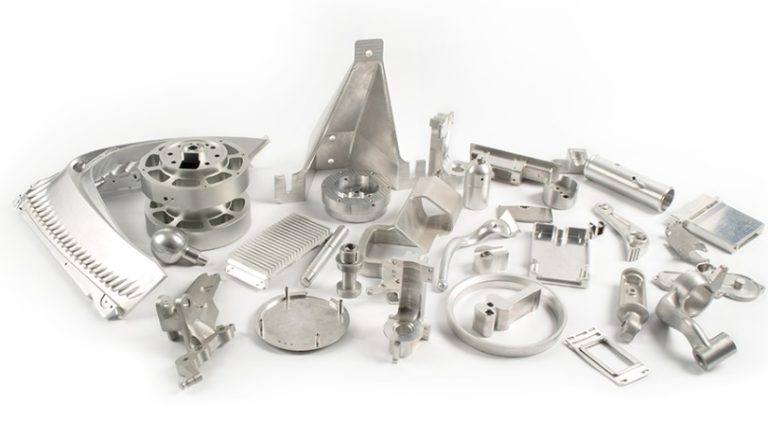
- For precision parts or metal prototypes, you need CNC machining (3-axis, 5-axis, milling, turning).
- For sheet metal enclosures, you need laser cutting and bending.
Ask directly: “Can you make a prototype like this?” Share your design file and see if they understand the requirements.
Equipment Level: Old or poorly maintained machines produce inconsistent parts.
- Look for modern equipment: 5-axis CNC machines handle complex geometries. Industrial-grade 3D printers produce durable parts.
- Ask about maintenance schedules. A factory that maintains its equipment cares about quality.
Design Adaptability: Can they handle design changes mid-project?
- A flexible factory will spot issues in your design and suggest fixes.
- They should be able to revise parts quickly—within 1 to 2 days—without restarting the entire process.
Red flags to avoid:
- Vague answers about their equipment (“We have all kinds of machines”).
- Reluctance to share details about their processes.
- No experience with your type of part (plastic vs. metal, simple vs. complex).
Factor 2: Production Experience: Have They Made Parts Like Yours?
Experience in your specific industry means the factory already understands your requirements. You won’t have to explain basic concepts.
How to Assess
Ask for industry-specific experience:
- “Have you made prototypes for consumer electronics?”
- “Do you have experience with automotive components?”
- “Have you worked on medical devices that need biocompatible materials?”
A factory that has made 100+ prototypes in your industry will know common pitfalls. They will know which materials work, what tolerances are achievable, and how to test for your specific needs.
Check for product similarity:
- If your part is a small, intricate plastic housing, a factory that specializes in large industrial castings is the wrong fit.
- Ask for examples of prototypes similar in size, material, and complexity to yours.
Data point: Factories with 5+ years of experience in your niche are 3 times more likely to avoid common mistakes—like selecting the wrong material for a heat-sensitive application.
Real-world example: A medical device startup needed a prototype for a surgical tool. They chose a factory with general machining experience but no medical background. The factory used a standard plastic that wasn’t sterilizable. The prototype passed fit tests but failed the first sterilization trial. A factory with medical experience would have known to use the right material from the start.
Factor 3: Product Quality: Will the Prototype Meet Your Standards?
A bad prototype leads to bad design decisions. If the prototype is poorly made, you cannot trust what it tells you about your design.
Quality Checklist
| Quality Aspect | What to Look For | Red Flags to Avoid |
|---|---|---|
| Material Selection | Uses certified materials (e.g., FDA-approved for food contact, UL-rated for flammability) | Unbranded, low-grade materials with no certification |
| Processing Accuracy | Achieves tolerances you need (e.g., ±0.05mm for precision parts) | Uneven edges, inconsistent sizes, parts that don’t match CAD |
| Surface Finish | Smooth surfaces, no scratches, consistent color if painted | Rough finishes, visible tool marks, chipped paint |
| Consistency | Multiple parts are nearly identical | Parts from the same batch vary noticeably |
What the Numbers Say
Top factories maintain high quality standards. Look for a product qualification rate of 98% or higher. This means 98 out of 100 prototypes meet specifications on first inspection.
Some leading factories achieve 99.8% qualification rates—meaning almost every part is right the first time.
Questions to ask:
- “What is your typical qualification rate for prototypes?”
- “Can you show me examples of similar parts you’ve made?”
- “What quality checks do you perform before shipping?”
Factor 4: Delivery Speed: Can They Meet Your Timeline?
Prototype delays push back your entire product launch. A factory that cannot deliver on time is a liability.
What to Confirm
Standard production cycle:
- For simple plastic prototypes: 3 to 7 days is typical.
- For complex metal prototypes: 7 to 10 days is reasonable.
- Get a specific timeline for your part, not a generic estimate.
On-time delivery rate:
- Ask: “What percentage of your orders ship on time?”
- A reliable factory will have a 98%+ on-time delivery rate.
- Avoid factories that admit to “occasional delays” without explaining how they prevent them.
Rush order options:
- Sometimes you need a prototype in 2 days. Ask if they offer rush services.
- Understand the cost premium (typically 50% to 100% extra) and what trade-offs are made.
Real-world example: A consumer electronics company needed prototypes for a trade show. They chose a factory with a 92% on-time rate, hoping for the best. The prototypes arrived 5 days late—after the show. They lost a major opportunity. The factory with a 98% rate was slightly more expensive but would have delivered on time.
Factor 5: Service Level: Is Communication Smooth and Helpful?
Good communication prevents misunderstandings and solves problems fast. Evaluate this from your very first interaction.
What to Evaluate
Response time:
- Do they reply to emails or calls within 24 hours?
- A factory that takes 3+ days to respond during quoting will be even slower during production.
Communication clarity:
- Do they explain technical terms in plain language?
- Instead of “we use subtractive manufacturing,” they should say “we carve parts from solid material (CNC machining).”
- Can they answer your questions without jargon?
Proactivity:
- Do they flag potential issues in your design?
- A good factory might say: “This edge is very thin—it might break during testing. Would you like to reinforce it?”
- Factories that just follow your design without question are not bringing their expertise to your project.
Red flags:
- Vague or confusing answers.
- Reluctance to put details in writing.
- Promises that sound too good to be true.
Factor 6: Price Competitiveness: Is It Good Value?
Price matters. But the cheapest option is rarely the best value. Focus on what you get for your money.
How to Compare
Get quotes from 3 to 5 factories for the same prototype—same size, material, quantity, and finish. This reveals the market range.
Ask for a detailed breakdown:
- Material costs
- Processing fees
- Setup or programming fees
- Surface treatment costs
- Shipping
A vague quote like “$500 for prototypes” tells you nothing. A detailed quote shows transparency.
What “Too Cheap” Means
Factories offering prices 30% lower than the average are often cutting corners:
- Using cheap, uncertified materials
- Rushing production and skipping quality checks
- Underpaying skilled workers
The result? Flawed prototypes that waste your time and money.
Smart approach: Pay 10% to 15% more for a reliable factory. The extra cost upfront saves you from reordering and delays later.
Factor 7: Customer Reviews: What Do Other Clients Say?
A factory’s claims mean little. What their actual clients say means everything.
Where to Find Reviews
Direct testimonials:
- Ask for references: “Can I speak to a client who made a prototype similar to mine?”
- A confident factory will connect you with happy customers.
Online platforms:
- Check B2B sites like Alibaba, industry forums, and Google reviews.
- Look for patterns. One bad review might be an outlier. Multiple complaints about the same issue (slow delivery, poor quality) reveal a real problem.
Impressive stat: Some factories have accumulated over 300,000 customer praise cases. That level of consistent satisfaction is a strong signal.
What to Ask References
- “Did the prototype meet your quality expectations?”
- “Did they deliver on time?”
- “How was communication during the project?”
- “Would you work with them again?”
Factor 8: After-Sales Support: Will They Fix Problems?
Even the best factories sometimes make mistakes. What matters is how they respond.
What to Look For
Rework policies:
- If a prototype has flaws (wrong size, poor finish), will they rework it for free?
- Most good factories offer 1 to 2 free reworks within a week of delivery.
- Understand the policy before you commit.
Maintenance help:
- If you need to test the prototype repeatedly, can they help with minor repairs?
- A factory that stands behind its work will support you post-delivery.
Follow-up:
- Do they check in after delivery to ask if the prototype meets your needs?
- This shows they care about your success, not just the sale.
Red flag: A factory with no clear rework policy or one that charges for every correction.
Factor 9: Case Showcase: Do They Have a Proven Track Record?
Seeing is believing. A factory’s case showcase lets you evaluate their work firsthand.
What to Review
Diversity of cases:
- Do they have experience across different industries, materials, and prototype types?
- A varied portfolio shows adaptability.
Detail in cases:
- Look for photos and videos of actual prototypes.
- Read client feedback: “This prototype helped us fix a design flaw before mass production.”
- The more detail, the more confident you can be.
Relevance to your project:
- If you’re making a medical device, focus on cases where they made similar medical parts.
- If your part is a small plastic housing, look for examples of small plastic housings.
Questions to ask:
- “Can you show me prototypes similar to mine?”
- “What challenges did you overcome in those projects?”
Factor 10: Field Visits: Can You See Their Operations?
Nothing beats seeing a factory in person. If possible, visit before committing.
What to Check During a Visit
Workshop conditions:
- Is the factory clean, organized, and well-lit?
- Messy workshops often lead to quality issues.
- Look for safety practices—they indicate professionalism.
Equipment condition:
- Are machines well-maintained? No rust, no broken parts.
- Is the equipment modern or decades old?
- Ask about maintenance schedules.
Team expertise:
- Talk to the production team. Do they answer technical questions confidently?
- Do they seem engaged and proud of their work?
If You Can’t Visit
Ask for a video tour of the workshop. A reputable factory will be happy to show you around via video call.
Also ask for:
- Equipment lists with model numbers
- Recent production records (e.g., “How many prototypes did you make last month?”)
- Certifications (ISO 9001 for quality management, etc.)
How to Weigh All 10 Factors
You won’t find a factory that scores perfectly on every factor. The goal is to find the best overall fit for your specific project.
Priority Matrix
| Factor | Priority Level | Why |
|---|---|---|
| Technical Capabilities | Critical | Without this, nothing else matters. |
| Product Quality | Critical | Bad prototypes lead to bad decisions. |
| Delivery Speed | Critical | Delays kill timelines. |
| Service Level | High | Good communication prevents problems. |
| Production Experience | High | Relevant experience reduces risk. |
| Price Competitiveness | Medium | Important but not the main driver. |
| Customer Reviews | Medium | Validates other factors. |
| After-Sales Support | Medium | Protects you if something goes wrong. |
| Case Showcase | Medium | Evidence of capability. |
| Field Visit | Low (if other checks pass) | Helpful but not always possible. |
Decision Framework
- Must-haves: Technical capabilities, quality, delivery speed. If a factory fails these, move on.
- Strong preferences: Service level and production experience. Look for factories that score well here.
- Nice to have: The remaining factors. Use them to choose between otherwise similar options.
Yigu Technology’s Perspective
At Yigu Technology, we have helped countless product teams navigate the prototype factory selection process. We have seen what works and what leads to disaster.
Our advice is simple: choose a partner, not just a supplier.
A supplier takes your order and delivers parts. A partner:
- Reviews your design and suggests improvements
- Warns you about potential issues
- Communicates clearly throughout the process
- Delivers quality parts on time, every time
- Stands behind their work after delivery
We recommend looking for factories with:
- Strong technical capabilities (both CNC and 3D printing, so they can choose the best method for your part)
- Proven quality systems (98%+ qualification rates)
- Clear communication (responsive, transparent, proactive)
- Relevant experience (they’ve made parts like yours before)
The extra effort you put into selecting the right factory pays off throughout your product development. You avoid delays, get better prototypes, and make faster progress toward launch.
Conclusion
Choosing a prototype factory is one of the most important decisions in product development. A good choice accelerates your project. A bad choice derails it.
Use these 10 factors as your checklist:
- Technical capabilities: Can they actually make your part?
- Production experience: Have they made similar parts?
- Product quality: Will prototypes meet your standards?
- Delivery speed: Can they meet your timeline?
- Service level: Is communication smooth and helpful?
- Price competitiveness: Is it good value, not just cheap?
- Customer reviews: What do other clients say?
- After-sales support: Will they fix problems?
- Case showcase: Do they have a proven track record?
- Field visits: Can you verify operations?
Evaluate factories against these criteria. Get multiple quotes. Ask tough questions. Talk to references.
The time you invest in selection pays dividends in smoother development, better prototypes, and faster time to market.
Frequently Asked Questions
I can’t visit a factory in person—how else can I check their production capacity?
Ask for a video tour of their workshop. Request a detailed equipment list with model numbers. Ask for recent production records (e.g., “How many prototypes did you make last month?”). Verify certifications like ISO 9001 online. A reputable factory will provide all this.
Should I choose a local prototype factory or an overseas one?
Local factories (in your country) offer faster shipping and easier communication, but usually cost more. Overseas factories (like in China) have lower prices but longer shipping times (2 to 5 days) and potential language barriers. Choose local if you need quick iterations and close collaboration. Choose overseas if cost is your main concern and you have extra time.
What if a factory meets all criteria but is slightly more expensive than others?
Paying 10% to 15% more for a reliable factory is almost always worth it. A cheap factory that delivers flawed prototypes costs you more in the long run—in rework costs, delayed timelines, and missed opportunities. Focus on value, not just price.
How many quotes should I get before deciding?
Aim for 3 to 5 quotes from different factories. This gives you a sense of the market range and helps you spot outliers. If one quote is dramatically lower, ask why. If one is much higher, see what extra value they offer.
What’s the most common mistake in choosing a prototype factory?
Choosing based on price alone. Teams go with the cheapest quote, then discover too late that quality is poor, communication is bad, or delivery is late. The savings disappear in rework and delays. Always evaluate the full picture.
Discuss Your Projects with Yigu Rapid Prototyping
At Yigu Rapid Prototyping, we connect product creators with the right manufacturing partners for their specific needs. We have evaluated hundreds of factories across multiple criteria—technical capabilities, quality systems, delivery performance, and communication.
Our network includes factories with:
- Advanced equipment: 5-axis CNC, industrial 3D printing, precision sheet metal
- Proven quality: 98%+ qualification rates, ISO certifications
- Relevant experience: Decades of work across consumer electronics, medical devices, automotive, and more
- Clear communication: Responsive, transparent, and proactive
We do not just hand you a list. We understand your project requirements, timeline, and budget. Then we recommend factories that fit your specific needs.
Whether you need a single prototype or a production partner for the long term, we help you find the right match.
Ready to move your project forward? Contact Yigu Rapid Prototyping today for a free consultation. Let’s find the perfect factory for your prototype.