CNC Machining

electrical cnc machining

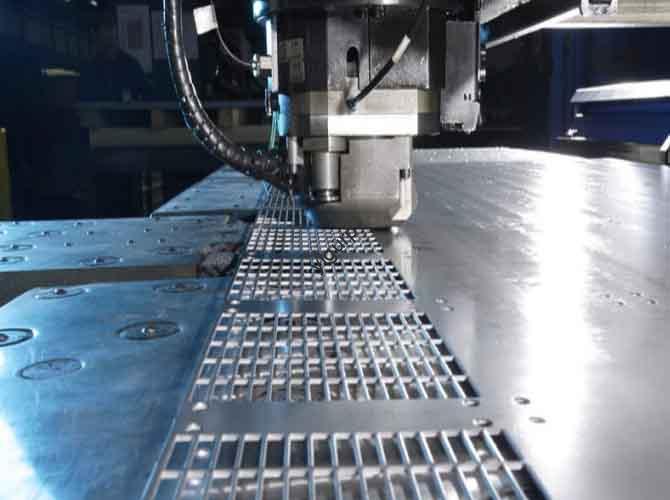
CNC Processing Plane Mesh: A Step-by-Step Guide to Precision Texturing

In industries like mold making, automotive parts, and consumer electronics, CNC Processing Plane Mesh is a game-changer for surface treatment. This technique creates regular grid-like textures on workpiece surfaces—boosting both aesthetics (e.g., sleek finishes on phone casings) and functionality (e.g., improved grip on tool handles). But achieving consistent, high-quality plane mesh isn’t easy: wrong material […]

renewable energy cnc machining

Large-scale CNC Fine Engraving: Precision and Efficiency for Complex Manufacturing

In industries like mold making, architectural decoration, and artwork production, creating large, intricate parts with high accuracy is a constant challenge. Traditional manual engraving is slow, inconsistent, and can’t handle complex designs on a big scale. That’s where Large-scale CNC Fine Engraving comes in. This technology combines computer numerical control (CNC) with advanced engraving tools

Mechanical CNC Machining

Metal CNC Precision Machining: The Backbone of High-Accuracy Manufacturing

In industries where even a 0.01mm error can cause product failure—like aerospace or medical devices—reliable manufacturing is non-negotiable. Traditional manual machining often struggles with consistency, complex shapes, and tight tolerances. That’s where Metal CNC Precision Machining steps in. This computer-controlled technology solves critical pain points for manufacturers, delivering micron-level accuracy, repeatable results, and the ability

aerospace cnc machining

Advantages of CNC Aluminum Product Processing: Elevating Precision and Efficiency Across Industries

In manufacturing, aluminum’s lightweight, corrosion-resistant, and malleable properties make it a top choice for countless products. But unlocking its full potential requires advanced processing—and CNC aluminum product processing delivers. This technology solves critical pain points like inconsistent precision, slow production, and limited design flexibility that plague traditional methods. Let’s dive into its core advantages, real-world

electronics 3d printing

CNC Machining Hardware: A Complete Guide to Precision, Efficiency, and Problem-Solving

Have you ever struggled to find a machining method that balances high precision, fast production, and complex part design for metal components? CNC machining hardware—the computer-controlled process for metal parts manufacturing—solves these pain points for industries from aerospace to electronics. This guide breaks down its core benefits, step-by-step workflow, common challenges, and how to choose

nickel plating

How to Polish CNC Metal Prototypes? A Guide for Smooth, High-Quality Surfaces

After CNC machining, metal prototypes often have rough surfaces, burrs, or uneven textures—issues that can affect both appearance and functionality. Polishing is the key post-processing step to fix these problems, turning raw CNC-machined parts into smooth, precise prototypes that match your design goals. Whether you need a mirror-like finish for a consumer product or a

jewelry 3d printing

CNC Milling Thread: The Ultimate Guide to Precision Thread Machining

Are you struggling to achieve high-precision threads for your mechanical parts? Or looking for a more efficient alternative to traditional tapping methods? CNC milling thread technology might be the solution you need. This guide breaks down everything from its core advantages to real-world applications, helping you master this critical machining process. 1. Why Choose CNC

cnc metal prototype machining

Polishing Methods After CNC Metal Prototype Machining: A Practical Guide for Perfect Surfaces

After CNC metal prototype (or CNC metal prototype) machining, the surface often has tiny flaws like rough edges, tool marks, or minor burrs. Polishing—a key post-processing step—fixes these issues, boosting both the prototype’s visual appeal and functional performance. A well-polished prototype not only looks more professional but also reduces friction, improves corrosion resistance, and ensures

cnc metal prototype machining

How to Remove Burrs in CNC Metal Prototype Machining: A Complete Guide

When it comes to CNC metal prototype (also known as CNC metal prototype) machining, achieving high surface quality and precision is crucial. One key post-processing step that directly affects the final product’s performance and appearance is deburring. Burrs—those small, unwanted metal projections formed during cutting, drilling, or milling—can cause assembly issues, damage tools, and even

Silicone Vacuum casting

What Is CNC Plastic Prototype Processing? A Practical Guide for Product Developers

If you’re working on product development—whether for consumer electronics, medical devices, or industrial tools—you’ve likely faced the challenge of turning a 2D design into a physical model. That’s where CNC plastic prototype processing comes in. In simple terms, it’s a manufacturing technique that uses Computer Numerical Control (CNC) machines to carve plastic materials into precise

cnc metal prototype

What Is CNC Metal Prototype Processing? A Complete Guide for Manufacturers

If you’re in product development, you’ve probably heard the term “CNC metal prototype processing.” But what exactly does it mean, and why is it so critical for bringing new products to market? In simple terms, CNC metal prototype processing is a manufacturing method that uses Computer Numerical Control (CNC) technology to create metal prototypes—physical models

Scroll to Top