
Introduction
You’ve got a project ready to go. You’ve searched for “16 gauge sheet metal near me,” and now you need to know where to go and what to look for. The right supplier makes all the difference—whether you need a small piece for a quick repair or several full sheets for a big build. This guide covers everything: what 16-gauge actually means, which material to choose, where to buy locally, and how to transport your metal safely. By the end, you’ll know exactly where to go and what to ask when you get there.
What Exactly Is 16 Gauge Sheet Metal?
The backwards gauge system explained
Sheet metal gauge confuses almost everyone at first. The rule is simple: lower gauge number = thicker metal. A 10-gauge sheet is much thicker and stronger than a 20-gauge sheet. This backwards system comes from historical manufacturing methods where the gauge number related to how many times the metal was processed .
Exact thickness by material type
Here’s the key: gauge thickness varies by metal type. A 16-gauge steel sheet is not the same thickness as 16-gauge aluminum. Below are the standard thicknesses for common materials .
| Material | Thickness (inches) | Thickness (mm) |
|---|---|---|
| Carbon Steel | 0.0598 | 1.519 |
| Steel (general) | 0.060 | 1.524 |
| Galvanized Steel | 0.0635 | 1.613 |
| Stainless Steel | 0.0625 | 1.589 |
| Aluminum | 0.0508 | 1.290 |
Note: These are industry standards, but actual thickness can vary slightly between manufacturers. Always confirm with your supplier if precise dimensions matter for your project .
Why 16-gauge is so popular
Sixteen-gauge hits a sweet spot for many projects. It’s thick enough to provide good strength and durability, yet thin enough to cut and bend with common workshop tools. Angle grinders, metal shears, and basic press brakes handle it well. You don’t need heavy industrial equipment for every operation .
Common 16-gauge applications:
- Automotive patch panels and brackets
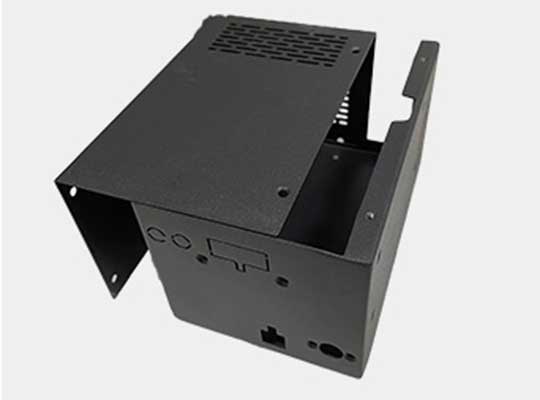
- Equipment enclosures and control boxes
- Workbench surfaces and shelving
- Welding projects and practice pieces
- Protective covers and guards
- HVAC ductwork (galvanized)
- Outdoor furniture and fixtures
What Material Options Do You Have?
Carbon steel (A36)
This is the workhorse of the metal world. When someone says “sheet steel” without other details, they usually mean low-carbon steel like A36. It’s strong, welds easily, and is the most affordable option .
Pros: Lowest cost, easy to weld, good strength
Cons: Rusts quickly without protection
Best for: Indoor projects, brackets, supports, general fabrication
Finishing required: Paint, powder coat, or oil to prevent rust
Stainless steel (304/316)
Stainless steel contains chromium, which creates a protective layer that resists rust and staining. Grade 304 works for most applications. Grade 316 (with molybdenum) handles marine and chemical environments better .
Pros: Excellent corrosion resistance, attractive finish, durable
Cons: More expensive than carbon steel, harder to work
Best for: Kitchen equipment, outdoor fixtures, marine parts, medical devices
Finishing options: Mill finish, brushed (#4 finish), or polished
Aluminum (5052/6061)
Aluminum is the lightweight champion at one-third the weight of steel. It naturally resists corrosion through an oxide layer. Grade 5052 bends easily and resists saltwater. Grade 6061 is stronger but less formable .
Pros: Lightweight, corrosion-resistant, good strength-to-weight ratio
Cons: More expensive than steel, welding requires skill and AC TIG
Best for: Automotive panels, marine components, electronics enclosures, signage
Galvanized steel
Galvanized steel starts as carbon steel, then gets a zinc coating for corrosion protection. The zinc acts as a sacrificial barrier .
Pros: Good corrosion resistance at moderate cost
Cons: Welding releases toxic zinc fumes (requires ventilation)
Best for: Outdoor enclosures, HVAC ductwork, roofing, electrical boxes
Weight: A 16-gauge galvanized sheet weighs about 2.66 lbs per square foot
Where Should You Buy Locally?
Option 1: Big-box home improvement stores
Stores: Home Depot, Lowe’s, regional hardware chains
Best for: Very small projects, immediate needs, weekend hours
These stores are the most accessible. You’ll find a metal rack with small pre-cut sheets—typically 1’x2′, 2’x2′, or 2’x4′. Selection is usually limited to plain carbon steel and occasionally aluminum .
Pros:
- Convenient locations with evening/weekend hours
- No minimum order—buy one small piece
- Easy for beginners
Cons:
- Highest price per square foot
- Limited material selection
- Staff rarely have specialized metal knowledge
Option 2: Metal distributors
Businesses: Ryerson, Metal Supermarkets, local independent suppliers
Best for: Best prices, wide selection, full or partial sheets
These are professional suppliers that serve manufacturers, fabricators, and contractors. They sell full sheets (4’x8′, 4’x10′, 5’x10′) and often have a remnant bin with discounted leftover pieces .
What to ask:
- “Do you sell to the public?”
- “Do you have 16-gauge [your material] in stock?”
- “Do you have a remnant bin I can look through?”
- “What are your cutting services and costs?”
Pros:
- Best prices per square foot
- Huge material selection
- Knowledgeable staff
- Cut-to-size services available
Cons:
- Industrial hours (often 8 AM–4 PM weekdays)
- Warehouse environment can feel intimidating
- Some have minimum orders ($50–$100)
Option 3: Local fabrication shops
Businesses: Welding shops, custom fabricators, HVAC companies
Best for: Custom cut pieces, remnants, expert advice
These shops use sheet metal daily. Many owners are happy to sell leftover pieces or cut something specific from their stock. Call ahead—they’re not set up for walk-in retail .
Pros:
- Access to real-world expertise
- Perfect for single custom pieces
- Good source for remnants
Cons:
- Must call ahead
- Pricing varies
- Inventory depends on current projects
Quick reference: Where to start
| If you need… | Start with… |
|---|---|
| A 6″x6″ patch for a quick repair | Big-box store |
| One full 4’x8′ sheet for a workbench | Metal distributor |
| A custom 2’x3′ piece for a dashboard | Local fab shop (call first) |
| Best price on multiple sheets | Metal distributor |
| Expert advice on material selection | Metal distributor or fab shop |
How Do You Prepare for Pickup?
The 5-minute phone call
For distributors and fab shops, always call ahead. These businesses aren’t retail stores. Ask these questions:
- “Do you sell 16-gauge [material] to the public?”
- “What sizes do you have in stock?”
- “Do you have a remnant bin?”
- “Can you cut pieces to size? What’s the cost?”
- “What are your hours for pickup?”
- “What payment methods do you accept?”
Transporting sheet metal safely
Sheet metal is large, heavy, and has dangerously sharp edges. Never underestimate the challenge of moving it.
Before you leave:
- Measure your vehicle’s cargo space
- Bring thick work gloves
- Pack safety glasses
- Bring ratchet straps or tie-downs
- Bring moving blankets to prevent scratches
Vehicle options:
- Pickup truck bed (best)
- Utility trailer
- Roof rack with proper padding
- Large SUV with seats folded (check length)
A 4’x8′ sheet of 16-gauge steel weighs about 80–100 lbs depending on material. Get help loading—don’t try alone .
Delivery option
If you don’t have a truck or trailer, most metal distributors offer local delivery for a fee ($50–$150 depending on distance and order size). This adds cost but eliminates safety risks and logistics headaches .
Checklist Before You Go
Use this checklist for a smooth pickup:
- [ ] Project dimensions: Written down with tolerances
- [ ] Material type: Steel, stainless, aluminum, galvanized
- [ ] Vehicle measurement: Confirmed cargo space
- [ ] Phone call: Stock confirmed, hours confirmed
- [ ] Safety gear: Gloves, glasses
- [ ] Transport supplies: Straps, blankets
- [ ] Payment: Confirmed accepted method
Conclusion
Finding 16-gauge sheet metal locally means choosing the right supplier for your specific needs. Big-box stores offer convenience for small pieces at higher prices. Metal distributors provide the best selection and value for larger quantities. Local fabrication shops are perfect for custom cuts and expert advice. Know your material—steel for strength and economy, stainless for corrosion resistance, aluminum for light weight, galvanized for outdoor protection. Prepare for pickup with a phone call, proper vehicle setup, and safety gear. With this guide, you’ll walk into the right supplier, ask the right questions, and leave with exactly what your project needs.
FAQ
How thick is 16-gauge steel in millimeters?
For standard carbon steel, 16-gauge is 1.519 mm thick. For galvanized steel, it’s 1.613 mm. For stainless steel, it’s 1.589 mm. Always confirm with your supplier for the specific material .
Is 16-gauge steel strong enough for a workbench?
Yes. A 16-gauge steel top (about 1.5mm thick) provides excellent durability for general workshop use. For heavy-duty applications, consider 14-gauge or 12-gauge, but 16-gauge works well for most hobbyist and light professional work .
Can I bend 16-gauge steel with hand tools?
Yes, with the right tools. A hand seamer or small brake can bend 16-gauge steel, though it requires effort. For multiple bends or precise angles, a shop press or CNC press brake gives better results .
What’s the difference between hot-rolled and cold-rolled 16-gauge steel?
Hot-rolled steel is processed at high temperatures, has a scaled surface, and is less dimensionally precise. Cold-rolled steel is hot-rolled steel that’s been further processed at room temperature, giving it a smoother surface, tighter tolerances, and higher strength .
Does 16-gauge galvanized steel rust?
The zinc coating prevents rust in most environments. However, if the coating is scratched through to the base steel, or at cut edges, rust can form. For longevity, seal cut edges with zinc-rich paint .
How much does a 4×8 sheet of 16-gauge steel weigh?
A 4’x8′ sheet of 16-gauge carbon steel weighs approximately 80–100 lbs, depending on the exact thickness and material. Galvanized steel weighs slightly more due to the zinc coating .
Can I weld 16-gauge steel?
Yes. 16-gauge is ideal for welding—thick enough to handle heat without burning through, but thin enough for good penetration. MIG welding with .030 or .035 wire works well. For galvanized, grind off the coating in the weld area and use proper ventilation .
Discuss Your Projects with Yigu Rapid Prototyping
Need 16-gauge sheet metal for a prototype or custom fabrication project? At Yigu Rapid Prototyping, we work with all common materials and gauges daily. We supply precision-cut 16-gauge steel, stainless, aluminum, and galvanized sheets tailored to your specifications. Our team can help you select the right material, provide cut-to-size services, and even handle bending and forming if needed. Contact us today with your project requirements—we’ll provide a quote within 24 hours and help turn your design into reality.