
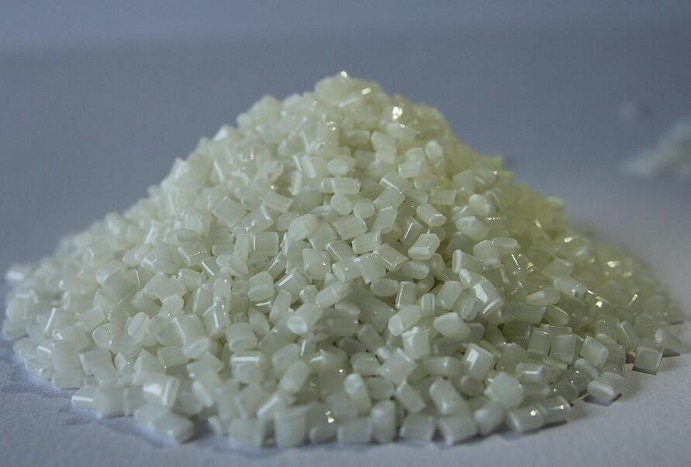
When evaluating engineering plastics for a new product, ABS (Acrylonitrile Butadiene Styrene) consistently appears as a top contender. This versatile thermoplastic powers everything from your computer keyboard to your car’s dashboard. But how do you know if it’s the right fit for your specific project? This comprehensive guide walks through what ABS offers, where it excels, its limitations, and how to make an informed material selection.
What Exactly Makes ABS Plastic Unique?
ABS plastic combines three distinct monomers to create a material with balanced, practical properties. Each component serves a specific purpose in the final polymer structure.
Acrylonitrile delivers chemical resistance and thermal stability. Butadiene provides impact strength and toughness. Styrene contributes rigidity, ease of processing, and that smooth surface finish we often see on consumer products.
This combination creates a material that performs well across multiple dimensions without excelling in any single extreme. Think of it as the reliable all-rounder in the engineering plastics family.
Key Properties: What Can ABS Actually Do?
Mechanical Performance Characteristics
ABS earns its reputation through solid everyday mechanical properties. The material typically shows tensile strength between 30–50 MPa, which means it holds up well under normal use conditions.
Impact resistance stands out as a defining feature. ABS maintains toughness even at temperatures down to -40°C, making it suitable for applications that might face cold environments. Parts made from ABS can withstand drops, bumps, and daily wear without cracking.
Wear resistance also impresses. Many bearing applications use ABS successfully under moderate loads. The material maintains its dimensions well during normal operating conditions, so parts keep their shape over time.
Thermal Behavior and Limits
ABS handles heat reasonably well but has clear boundaries. The thermal deformation temperature ranges from 93–118°C. Heat treatment through annealing can boost this by about 10°C if needed.
For continuous use, ABS performs reliably between -40°C and 100°C. This covers most indoor environments and many outdoor applications in moderate climates. However, direct engine compartment exposure or industrial high-heat settings exceed ABS capabilities.
The material melts between 200–240°C, which aligns well with common processing methods like injection molding and 3D printing.
Electrical and Environmental Resistance
ABS offers good electrical insulation properties that remain stable across temperature and humidity changes. This makes it ideal for electronic housings and components.
Chemical resistance generally serves well for everyday exposures. Water, inorganic salts, alkalis, and many acids don’t affect ABS. However, the material dissolves in ketones, aldehydes, and chlorinated hydrocarbons. It can also develop stress cracks from glacial acetic acid and some vegetable oils.
The biggest environmental weakness is poor UV stability. Six months of outdoor exposure can reduce impact strength by 50%. This limits outdoor use unless you add UV stabilizers or protective coatings.
What Are the Real Advantages of Choosing ABS?
Processing Flexibility
ABS works with nearly every common manufacturing method. You can inject it, machine it, extrude it, or 3D print it. This versatility means you can prototype with one method and scale to production with another using the same material.
Surface finish quality deserves special mention. ABS achieves smooth, paintable surfaces naturally. Consumer products benefit from this aesthetic advantage without requiring extensive post-processing.
Cost-Effectiveness
Price positioning makes ABS attractive. It costs more than commodity plastics like polystyrene but significantly less than high-performance options like polycarbonate or nylon. The value proposition works well for products needing good mechanical properties without exotic requirements.
Strength-to-Weight Ratio
With density around 1.05 g/cm³, ABS provides substantial feel without excessive weight. Products feel solid in hand but don’t burden shipping costs or user handling.
Where Does ABS Fall Short?
UV Sensitivity Requires Mitigation
Outdoor applications demand extra steps. Without UV protection, ABS degrades visibly and structurally within months. Solutions exist through additives or coatings, but they add cost and complexity.
Heat Limitations Restrict Some Applications
Continuous use above 80°C pushes ABS limits. If your application involves sustained high temperatures, materials like polycarbonate or nylon would serve better.
Flammability Concerns
Standard ABS burns and produces toxic fumes. For electrical or high-fire-risk applications, you must specify flame-retardant grades meeting UL94 V0 standards. These modified formulations cost more and may affect other properties.
Which Manufacturing Processes Work Best with ABS?
Process selection depends on your volume, complexity, and timeline requirements.
Injection Molding for High Volumes
For production runs above 10,000 parts, injection molding makes the most economic sense. The initial tooling investment spreads across many parts, lowering per-unit costs significantly. Complex geometries with tight tolerances become achievable. Electronics housings, automotive interior parts, and toys typically use this method.
Key advantage: Exceptional repeatability and minimal post-processing requirements.
CNC Machining for Precision and Low Volumes
When you need 1–100 parts quickly, CNC machining wins. No mold costs mean faster starts and changes. Dimensional accuracy matches or exceeds molding for simple geometries. Custom enclosures and functional prototypes often start as machined ABS parts.
Trade-off: More material waste and higher per-part costs than molding.
3D Printing for Rapid Development
Fused Deposition Modeling (FDM) makes ABS accessible for prototyping and custom parts. Build volumes up to 50 pieces work well. Complex geometries become possible without tooling constraints. However, layer lines may require finishing for smooth surfaces.
Best application: Design iteration, fit testing, and low-volume custom parts.
Comparing Manufacturing Methods
| Method | Volume Range | Lead Time | Cost per Part | Surface Finish | Best Use Case |
|---|---|---|---|---|---|
| Injection Molding | 10,000+ | 4–8 weeks | Lowest | Excellent | Production parts |
| CNC Machining | 1–100 | 1–5 days | High | Very Good | Precision prototypes |
| 3D Printing | 1–50 | 1–3 days | High | Moderate (layer lines) | Design validation |
| Extrusion | 100+ | 1–2 weeks | Low | Good | Sheets, tubes |
| Thermoforming | 100–10,000 | 2–4 weeks | Moderate | Good | Large panels |
What Industries Rely Heavily on ABS?
Automotive Manufacturing
The automotive industry consumes enormous quantities of ABS. Interior components like dashboards, door panels, and trim pieces leverage its appearance and durability. Exterior applications include grilles, mirror housings, and some bumper components. The material withstands normal cabin temperature variations while maintaining impact resistance.
Consumer Electronics
ABS dominates device enclosures. Laptop cases, keyboard frames, and monitor housings use ABS for its electrical insulation, impact protection, and clean look. Mobile phone cases, tablet covers, and remote controls follow the same logic.
Household Appliances
Kitchen appliances frequently use ABS housings. Blender bases, coffee maker exteriors, and toaster shells benefit from chemical resistance to cleaning agents and daily handling. Vacuum cleaners, air conditioner panels, and heater housings also rely on ABS.
Toys and Recreational Products
ABS safety and durability make it ideal for children’s products. Building blocks, action figures, and doll accessories use ABS extensively. Outdoor recreational equipment like helmet shells, skateboard components, and bicycle parts also leverage its impact resistance.
Medical Device Applications
Non-implantable medical equipment often uses ABS. Instrument housings, laboratory sample containers, and some disposable medical tool handles take advantage of chemical resistance, sterilization compatibility, and durability.
How Does ABS Compare to Other Engineering Plastics?
Understanding material trade-offs helps make informed choices.
| Property | ABS | Polystyrene | Polypropylene | Polycarbonate | Nylon |
|---|---|---|---|---|---|
| Impact Resistance | Excellent | Poor | Good | Excellent | Excellent |
| Heat Resistance | Moderate (93–118°C) | Low (60–80°C) | Moderate (100–120°C) | High (120–140°C) | High (150–200°C) |
| Chemical Resistance | Good | Poor | Excellent | Moderate | Good |
| UV Resistance | Poor | Poor | Good | Moderate | Poor |
| Cost | Moderate | Lowest | Low | High | High |
| Processability | Excellent | Excellent | Good | Good | Good |
| Transparency | Opaque | Transparent | Translucent | Transparent | Opaque |
ABS occupies the sweet spot for many applications. It offers better impact resistance than polystyrene, better processability than polycarbonate, and better cost than nylon. This balanced profile explains its widespread use.
Practical Tips for Working with ABS
Design Guidelines for Success
Maintain consistent wall thickness between 1–3mm for optimal strength. Avoid sudden thickness changes that create stress points and warping.
Use radiused corners with minimum 0.5mm radius to reduce stress concentrations. Sharp corners invite cracking under load.
Include draft angles of 1–2° for molded parts to ensure clean ejection from molds.
Design ribs and bosses with height limited to three times wall thickness to prevent warping while adding strength.
Processing Best Practices
For 3D printing, use heated build plates at 100–110°C and enclosed chambers to prevent warping. Layer adhesion improves with controlled cooling.
For injection molding, maintain melt temperatures between 220–250°C for optimal flow without degradation.
For machining, use sharp tools and moderate feed rates to avoid localized melting from friction.
Post-Processing Options
ABS accepts painting, plating, and bonding readily. Cyanoacrylate adhesives work well for assembly. Surface finishing through sanding, vapor smoothing, or coating achieves various aesthetic results.
Conclusion
ABS plastic serves as the reliable workhorse of engineering plastics for good reason. Its balanced combination of impact resistance, processability, and cost-effectiveness makes it the default choice for countless products across automotive, consumer electronics, appliances, and medical industries. While limitations in UV stability and high-temperature performance require attention, proper design practices and material modifications address these concerns effectively. For most projects requiring durable, good-looking parts at reasonable cost, ABS deserves serious consideration.
FAQ
Is ABS plastic safe for food contact applications?
General-purpose ABS lacks food safety certification. However, specific food-grade ABS formulations meeting FDA standards exist. These are less common than food-safe alternatives like polypropylene or HDPE. Always verify certification for food applications.
Can ABS plastic be recycled?
Yes, ABS is technically recyclable with resin identification code #7. Industrial facilities commonly accept post-industrial ABS scrap. Consumer recycling programs vary widely by location. Recycled ABS typically shows slightly reduced mechanical properties compared to virgin material.
How long does ABS last outdoors without protection?
Unmodified ABS exposed to direct sunlight shows significant degradation within 6–12 months. Impact strength can drop by 50% within six months. UV stabilizers or protective coatings extend outdoor life to 1–3 years. For longer outdoor service, consider polypropylene or UV-stabilized ABS blends.
What temperature can ABS withstand continuously?
ABS performs reliably between -40°C and 100°C for continuous use. Short-term exposure to higher temperatures may be acceptable, but sustained heat above 80°C risks deformation and property loss.
Does ABS require special ventilation during processing?
Yes. ABS processing, particularly 3D printing and injection molding, releases styrene vapors. Adequate ventilation or filtration protects operators. Industrial settings typically implement proper exhaust systems for ABS processing areas.
Discuss Your Projects with Yigu Rapid Prototyping
Selecting the right material for your project requires balancing performance, cost, and manufacturing considerations. At Yigu Technology, we help clients navigate these decisions daily. Our expertise spans ABS applications across vacuum molding, CNC machining, and rapid prototyping. Whether you need functional prototypes that accurately simulate production parts or guidance on material selection for your specific use case, our team brings practical experience to your project. Contact us to discuss how ABS—or alternative materials—can best serve your next manufacturing initiative.