
Introduction
In the world of metal work, construction, and advanced DIY projects, few raw materials are as useful and important as the 4×10 sheet metal panel. This standard industry size, measuring exactly 4 feet by 10 feet, represents a perfect balance of size, ease of handling, and efficiency.
Its widespread popularity comes from its ability to cover large surfaces with few seams while remaining practical for transport and handling. This makes it a top choice for professionals and hobbyists alike.
However, choosing the right option can be overwhelming. The right choice depends entirely on your project’s specific needs for strength, weight, rust resistance, and appearance. Making an uninformed decision can lead to budget problems, early failure, or a finished product that simply does not meet expectations.
This guide is designed to eliminate that uncertainty. We provide the expert knowledge you need to select and use 4×10 sheet metal with confidence.
We explore the exact dimensions and why this size is an industry standard. We break down common materials from carbon steel to aluminum and stainless steel. We explain the sheet metal gauge system and its critical impact on your project. We provide a practical chart matching specific projects to their ideal sheet metal type and thickness. We share expert tips for safely handling, cutting, and shaping these large sheets. We guide you through understanding cost factors to budget effectively.
What Are the Exact Dimensions of 4×10 Sheet Metal?
Before we dive into materials and applications, it is important to establish a clear understanding of what 4×10 sheet metal truly means. The term refers to a flat, rolled panel of metal with standardized dimensions that serve as a fundamental building block in countless industries.
Standard Measurements
The primary designation, 4×10, refers to its dimensions in the Imperial system. However, in a global supply chain, it is useful to know the equivalents across different measurement systems. The consistency of these dimensions is key to predictable project planning and material estimation.
| System | Width | Length |
|---|---|---|
| Imperial | 4 feet | 10 feet |
| Inches | 48 inches | 120 inches |
| Metric | ~1219 mm | ~3048 mm |
Why This Size Is Standard
The 4×10 dimension is not random. It evolved from decades of manufacturing and shipping optimization. Several key factors contribute to its status as an industry standard.
Shipping efficiency drives adoption. A 4-foot width fits perfectly across standard shipping pallets and inside commercial trucks. This minimizes wasted space and secures the load. This standardization simplifies shipping and reduces transportation costs.
Waste reduction matters for fabricators. The 10-foot length is highly efficient for projects that require standard 8-foot sections. This is a common dimension in construction and framing. It leaves a usable 2-foot piece. This significantly reduces material waste compared to working with an 8-foot sheet from the start.
Manufacturing compatibility ensures widespread use. Industrial equipment used to cut, bend, and roll metal is often built to accommodate 4-foot widths. Massive press brakes and plasma cutting tables accept this size. The 4×10 size works with a vast range of machinery, ensuring it can be processed in most fabrication shops.
What Materials Are Available in 4×10 Sheets?
The single most important decision you will make is choosing the right material. This choice affects nearly every aspect of your project. It impacts final cost, durability, weight, appearance, and required fabrication techniques.
Carbon Steel: The Workhorse
Often called mild steel, this is the workhorse of the metal world. It is an iron-carbon alloy with a low carbon content. This makes it strong, highly bendable, and easy to weld. It is the baseline against which other materials are often compared for cost and performance.
Pros: It offers excellent strength and stiffness. It is highly versatile for bending, welding, and machining. It has the lowest cost among common sheet metals.
Cons: It is very susceptible to rust. It must be painted, powder-coated, or otherwise sealed if exposed to moisture. It is heavy, which can be a disadvantage in mobile or weight-sensitive applications.
Galvanized Steel: The Rust-Resistant Choice
Galvanized steel is simply carbon steel that has been coated with a protective layer of zinc. The most common method is hot-dip galvanization. The steel sheet is passed through a bath of molten zinc. This zinc coating acts as a protective barrier, corroding first to protect the steel underneath.
Pros: It offers good rust resistance at a moderate cost. The durable coating resists scratches and wear. It can be painted, though surface preparation is required.
Cons: Welding releases zinc fumes. This requires excellent ventilation and respiratory protection. The cut edges are not coated. They can be a starting point for rust if not sealed. The sparkled, crystalline finish may not be desirable for appearance applications.
Stainless Steel: The Premium Performer
Stainless steel is an alloy of iron, chromium, and often nickel. It is known for its superior rust resistance and attractive appearance. The chromium forms a passive, invisible layer on the surface. This layer self-heals when scratched, preventing rust.
Pros: It offers excellent resistance to rust, staining, and chemical corrosion. It is clean and easy to clean, making it ideal for food-grade applications. It provides a modern, clean look in various finishes like brushed, polished, or mill.
Cons: It is significantly more expensive than carbon or galvanized steel. It is more difficult to machine and weld than mild steel. It can show fingerprints and smudges easily on polished finishes.
We often specify grades to match the application. Grade 304 is the most common general-purpose stainless steel. It is perfect for kitchen equipment and architectural trim. For harsh or marine environments with saltwater exposure, we upgrade to Grade 316. It includes molybdenum for enhanced rust resistance.
Aluminum: The Lightweight Champion
Aluminum is the lightweight champion. This non-ferrous metal offers an exceptional strength-to-weight ratio. It is a top choice for applications where minimizing weight is critical. It also naturally forms a protective oxide layer, giving it built-in rust resistance.
Pros: It is approximately one-third the weight of steel. It offers excellent natural rust resistance. It is non-magnetic and a good conductor of heat and electricity.
Cons: It is more expensive than steel. It is softer and more prone to dents and scratches. It requires specialized equipment for proper welding. A spool gun for MIG welding is often needed.
Like stainless steel, aluminum comes in different grades. We typically use Grade 5052 for general sheet metal work. It offers excellent bendability and good rust resistance. For structural applications requiring more strength, we turn to Grade 6061. It is less bendable but stronger.
Copper and Brass: The Specialty Metals
These are the specialty metals, chosen primarily for their unique and striking appearance. Copper has a distinctive reddish-brown color that develops a green patina over time. Brass, an alloy of copper and zinc, offers a bright, gold-like finish.
Pros: They offer unmatched visual appeal for decorative work. Copper has natural antimicrobial properties. Both are highly resistant to corrosion.
Cons: They are extremely expensive compared to steel and aluminum. They are very soft and easily damaged. They tarnish over time, requiring polishing to maintain shine unless a patina is desired.
Material Comparison Summary
To simplify your choice, we have compiled a table comparing these materials across the most important attributes.
| Material | Relative Cost | Corrosion Resistance | Weight | Best For |
|---|---|---|---|---|
| Carbon Steel | Base (1x) | Low, requires coating | Heavy | Structural parts, workbench tops, brackets |
| Galvanized Steel | Low (1.5x) | Good | Heavy | Outdoor enclosures, roofing, HVAC ducting |
| Aluminum | Medium (2-3x) | Excellent | Light | Trailer skins, race car bodies, marine parts |
| Stainless Steel | High (4-6x) | Excellent | Heavy | Kitchen backsplashes, medical and food equipment |
| Copper and Brass | Very High (10x+) | Excellent | Heavy | Architectural accents, countertops, artwork |
How Does the Sheet Metal Gauge System Work?
After selecting your material, the next critical specification is its thickness. This is defined by a gauge number. Misunderstanding this concept is a common mistake that can compromise a project’s strength or make it unnecessarily heavy and difficult to work with.
What Is Gauge?
Put simply, gauge is a standardized measure of a sheet’s thickness. The most important concept to understand is the reverse relationship. A lower gauge number means a thicker, stronger, and heavier sheet of metal. Conversely, a higher gauge number means a thinner, lighter, and more flexible sheet.
This counter-intuitive system originated from the number of drawing operations required to produce a certain thickness of wire. The terminology carried over to sheet metal.
Common Gauges and Uses
While 4×10 sheets are available in a wide range of gauges, a few are particularly common for general fabrication. The correct gauge balances the need for structural strength with considerations of weight, cost, and bendability.
| Gauge | Approx. Thickness (in) | Approx. Thickness (mm) | Typical Applications |
|---|---|---|---|
| 22 ga | 0.030″ | 0.76 mm | HVAC ductwork, automotive body patches, lightweight paneling, signs |
| 18 ga | 0.048″ | 1.21 mm | Enclosure boxes, computer cases, non-structural auto panels |
| 16 ga | 0.060″ | 1.52 mm | Workbench tops, utility trailer skins, durable brackets, toolboxes |
| 14 ga | 0.075″ | 1.90 mm | Heavier trailer flooring, mower decks, robust structural parts |
| 10 ga | 0.135″ | 3.42 mm | Heavy-duty brackets, equipment mounting plates, bumpers, frames |
The Trade-Off
Choosing a gauge is always a balancing act. Understanding the trade-offs is key to making an intelligent selection for your specific needs.
Thicker sheets with lower gauge provide greater strength, stiffness, and dent resistance. They have increased weight and material cost. They are more difficult to cut, bend, and form, often requiring powerful shop equipment.
Thinner sheets with higher gauge provide less structural strength. They have reduced weight and material cost. They are easier to cut and bend, often manageable with hand tools.
What Project Suitability Chart Helps You Choose?
To bridge the gap between theory and practice, we have developed this project suitability chart. This is our expert cheat sheet. It helps you quickly match common projects with the ideal material and gauge, saving time and preventing costly errors.
| Project Type | Recommended Material | Recommended Gauge Range | Key Reasoning and Pro Tips |
|---|---|---|---|
| Kitchen Backsplash | Stainless Steel 304 or Copper | 20-24 ga | Focus is on appearance and ease of cleaning. Thinner gauge is sufficient, non-structural, and easier to cut for outlets. |
| DIY Utility Trailer Floor and Sides | Galvanized Steel or Aluminum | 14-16 ga | Needs durability and weather resistance. 14 gauge offers good dent resistance. Aluminum saves significant weight at higher cost. |
| Heavy-Duty Workbench Top | Carbon Steel | 10-12 ga | Maximum durability and impact resistance are key. Weight is an advantage for stability. Carbon steel is most cost-effective. |
| Automotive Body Panel Repair | Carbon Steel | 18-22 ga | Must match original panel thickness for proper welding and finishing. Bendability is crucial for matching complex curves. |
| Outdoor Art Sculpture | Stainless Steel 316 or Corten | 11-16 ga | Requires maximum weather resistance. 316 for coastal and marine areas. Corten for self-protecting rustic patina. Gauge depends on size. |
| Custom Computer Case | Aluminum 5052 | 18-20 ga | Lightweight for portability and good for heat dissipation. Easy to machine for vents and ports. Thinner gauge is sufficient. |
| Fire Pit Surround | Carbon Steel uncoated or Stainless | 10-14 ga | Thick steel needed to resist warping from heat. Uncoated carbon steel develops rustic patina. Stainless offers clean look. |
| Magnetic Message Board | Carbon Steel | 20-22 ga | Must be ferrous metal for magnets to stick. Thin gauge is lightweight and easy to mount on wall. Must be painted. |
How Do You Work Safely with Large Sheets?
From our experience, handling a full 4×10 sheet presents unique challenges compared to working with smaller pieces. It is flexible, heavy, and has dangerously sharp edges. Here is our advice for managing these sheets safely and effectively.
Safety First
A large sheet of metal can be unwieldy and dangerous. Never underestimate it. Following strict safety protocols is non-negotiable.
Always wear personal protective equipment. This is the absolute minimum. Cut-resistant gloves are essential. Factory edges can be razor-sharp. Safety glasses protect your eyes from flying metal pieces during cutting. Steel-toed boots protect your feet if you lose your grip and the sheet drops on edge.
Lift with a partner or equipment. A 10-gauge steel sheet can weigh over 200 pounds. Attempting to move it alone is a recipe for injury or kinking the material. Always have a partner to help you lift and carry the sheet on its edge. For thicker sheets, use a forklift or panel cart.
Watch for sharp edges. A freshly cut edge will have a sharp burr. This is especially true with grinder or plasma cutter cuts. Always remove burrs with a file or specialized deburring tool before handling them extensively.
Secure for transport. When transporting a sheet in a truck bed, tie it down securely. At speed, an unsecured sheet can catch the wind and become a dangerous sail. It can also bend and deform permanently.
Essential Tools for Working with 4×10 Sheets
Having the right tools makes the job safer, faster, and more precise. Your tool choice will depend on the material and its gauge.
For cutting:
Aviation snips work for straight lines and gentle curves in thin-gauge metal of 22 gauge and up.
Electric or pneumatic shears are excellent for making long, straight, distortion-free cuts in mid-gauge material.
Angle grinder with cut-off wheel is a versatile but messy tool for cutting all thicknesses. It generates heat and sparks.
Plasma cutter is the fastest way to cut thick metal and complex shapes. It requires significant investment and a powerful air compressor.
For bending:
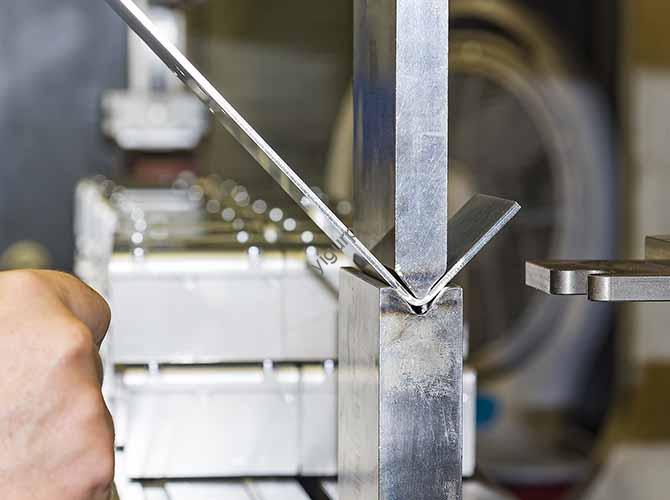
Sheet metal brake is the professional tool for creating crisp, accurate bends over a long length.
DIY methods work for simpler bends. Clamp the sheet between two pieces of angle iron in a sturdy vise. Use a mallet to carefully form the bend. This method lacks precision.
For joining:
Rivet gun is a simple, effective way to join panels without heat.
Spot welder creates quick, strong joints for sheet metal assemblies but has limited reach.
MIG and TIG welders are the most versatile joining methods. MIG is faster and easier for beginners, especially on steel. TIG offers more control and cleaner welds, ideal for stainless steel and aluminum.
Common Mistakes to Avoid
We have seen these mistakes countless times. Learn from them to save yourself time, money, and frustration.
Mistake 1: Warping during cutting.
Why it happens: The heat generated by an angle grinder or plasma cutter causes the metal to expand and contract unevenly. This results in a wavy, distorted panel.
Pro tip: Clamp the sheet securely to a workbench. Use a straightedge to guide your cut. Make a series of shorter cuts instead of one long pass. Allow the metal to cool in between.
Mistake 2: Kinking the sheet.
Why it happens: A large, thin sheet is very flexible. If you try to carry it flat or lift it from the middle, it will bend under its own weight and create a permanent crease or kink.
Pro tip: Always carry the sheet vertically on its long edge with a partner. One person at each end. This uses the material’s strength to your advantage.
Mistake 3: Surface scratches.
Why it happens: Cosmetic materials like stainless steel and aluminum are easily scratched. Tools cause scratches. Debris on a workbench causes scratches. Dragging the sheet across a concrete floor causes scratches.
Pro tip: Keep the protective plastic film on the sheet for as long as possible during fabrication. Work on a clean, non-abrasive surface. Use a wood bench, a piece of foam insulation board, or a dedicated welding blanket.
What Factors Drive the Cost of 4×10 Sheet Metal?
Understanding the cost of a 4×10 sheet metal panel is crucial for proper project planning. Prices for raw metal fluctuate based on global market conditions. We focus on the consistent factors that drive the final price you pay.
Material is the biggest factor. This is the most significant variable. We can create a simple cost hierarchy to provide a general idea. If we consider carbon steel as the base cost, the relative prices are roughly as follows.
Carbon steel is base cost at 1x.
Galvanized steel is about 1.5 times the cost of carbon steel.
Aluminum is about 2 to 3 times the cost of carbon steel.
Stainless steel is about 4 to 6 times the cost of carbon steel.
Copper and brass are about 10 times or more the cost of carbon steel.
Gauge and thickness matter. This is straightforward. The thicker the sheet, the more material it contains. It will cost more. The price increase is often non-linear. A 10-gauge sheet can cost significantly more than twice the price of a 20-gauge sheet.
Finish adds cost. The standard mill finish that comes directly from the rolling process is the cheapest option. A decorative finish requires additional processing. A #4 brushed finish on stainless steel adds substantial cost. A #8 mirror polish adds even more.
Supplier pricing varies. Prices can vary significantly between large metal distributors that sell to businesses, local steel yards, and online retailers. Shopping around can yield significant savings.
Quantity affects per-sheet cost. Buying a single sheet will always have the highest per-sheet cost. Suppliers often offer price breaks for buying multiple sheets or full bundles. This reduces their handling costs.
Yigu Technology’s Perspective on 4×10 Sheet Metal
At Yigu Technology, we help clients select and work with 4×10 sheet metal every day. Our experience across thousands of projects confirms the principles in this guide.
For structural applications requiring maximum strength at lowest cost, we recommend carbon steel. Workbench tops, equipment bases, and heavy brackets benefit from its durability. Just remember to seal it against rust.
For outdoor applications exposed to weather, galvanized steel provides good corrosion resistance at moderate cost. Trailer floors, roofing, and enclosures are ideal candidates. Seal cut edges to prevent rust starting points.
For applications where weight matters, aluminum is the clear choice. Trailer skins, marine components, and portable equipment benefit from its light weight. The higher material cost is often offset by easier handling and lower fuel consumption.
For food contact, medical, or high-end architectural applications, stainless steel justifies its premium cost. Grade 304 handles most situations. Grade 316 is required for saltwater exposure. The corrosion resistance and cleanability are unmatched.
The key is matching material and gauge to application. Use our project suitability chart as your starting point. Consider environment, structural needs, weight constraints, and budget. With this approach, you will choose correctly every time.
Conclusion
We have journeyed through the essential aspects of 4×10 sheet metal. From understanding its standard dimensions to understanding the intricate details of materials, gauges, and safe handling practices. You are now equipped with the foundational knowledge to move beyond guesswork and make deliberate, informed decisions for your projects.
The success of your fabrication, construction, or artistic endeavor begins long before the first cut is made. It starts with the critical choice of the right raw material.
By carefully considering the trade-offs between cost, strength, weight, and rust resistance, you set the stage for a professional-quality outcome. Match the material and gauge to your specific application using our provided guides.
Now, with this expert knowledge in hand, you can approach your next project with the confidence needed to build something durable, functional, and impressive.
Frequently Asked Questions
What is the difference between 16 gauge and 18 gauge sheet metal?
The difference is thickness. 16 gauge is thicker at about 0.060 inches than 18 gauge at about 0.048 inches. Thicker sheets provide more strength and dent resistance but are heavier and harder to bend. Choose 16 gauge for structural applications. Choose 18 gauge for lighter enclosures and panels.
Can I weld galvanized sheet metal safely?
Yes, but precautions are required. The zinc coating produces toxic fumes when heated. Weld in a well-ventilated area or use respiratory protection. Grind the coating off along the weld joint before welding. This reduces fume generation and produces cleaner welds.
How do I prevent rust on carbon steel sheets?
Carbon steel rusts when exposed to moisture. Apply a protective coating immediately after fabrication. Options include paint, powder coating, or oil. For outdoor applications, hot-dip galvanizing provides excellent long-term protection. Keep cut edges coated as they are vulnerable starting points for rust.
What is the best aluminum grade for bending?
5052 aluminum is the best choice for bending. It has excellent formability and good corrosion resistance. 6061 aluminum is stronger but more likely to crack on tight bends. For complex shapes with multiple bends, always choose 5052 over 6061.
How much does a 4×10 sheet of steel weigh?
Weight depends on gauge and material. A 4×10 sheet of 16 gauge carbon steel weighs approximately 160 pounds. A 4×10 sheet of 10 gauge carbon steel weighs approximately 320 pounds. Always verify weight before attempting to lift. Use mechanical assistance for heavy sheets.
Discuss Your Projects with Yigu Rapid Prototyping
At Yigu Rapid Prototyping, we help clients select and source 4×10 sheet metal every day. Our team brings practical experience with materials, gauges, and applications across all project types.
When you work with us, you gain partners who understand material selection. We help you choose between carbon steel, galvanized steel, stainless steel, and aluminum based on your specific needs. We provide quality material cut to your exact dimensions. We offer advice on fabrication techniques that save time and deliver professional results.
Contact Yigu Rapid Prototyping to discuss your upcoming 4×10 sheet metal projects. Whether you need material for construction, fabrication, or creative endeavors, we deliver quality product on schedule. Let us put our expertise to work for your next project.