
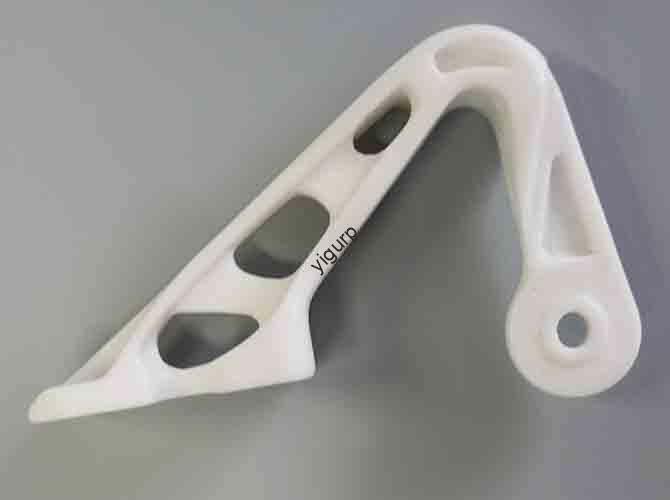
Looking for a strong yet affordable material for demanding parts? 3D printed fiberglass is the answer. This guide explains why it’s a top choice for engineers in aerospace, automotive, and beyond. We’ll break down its key properties, compare it to carbon fiber, and show you how to print it. You’ll see real-world case studies and get a clear method for choosing the right fiberglass for your project. Learn how to turn design ideas into high-performance parts.
Introduction
Need a part that’s strong, light, and can handle heat? Traditional metals are heavy and costly to shape. Basic plastics often lack strength. This is where 3D printed fiberglass composites shine.
They combine glass fiber reinforcement with a polymer matrix, like nylon or PETG. This mix gives you the best of both worlds. You get design freedom from 3D printing and the strength and stiffness of a composite. It’s a cost-effective solution for making strong, durable, end-use parts. This guide will show you how to use it.
What is 3D Printed Fiberglass?
3D printing fiberglass is not a single material. It’s a composite. Tiny glass fibers are mixed into a plastic base material. Think of it like reinforced concrete. The plastic is the cement, holding everything together. The glass fibers are the rebar, adding exceptional strength and rigidity.
The fibers can be short (chopped) or long (continuous). Chopped fibers are easier to print and make parts stiffer. Continuous fibers are laid down in specific paths, creating parts that are incredibly strong in one direction. This makes fiberglass perfect for parts under high stress.
Why Choose Fiberglass?
What makes fiberglass stand out in a world of plastics and metals? Its balanced set of properties solves many common engineering problems.
- High Strength-to-Weight Ratio: Fiberglass parts are very strong but much lighter than steel or aluminum. This is crucial in aerospace and automotive fields, where saving weight saves fuel and cost.
- Excellent Stiffness: It resists bending and deforming under load. A bracket made from fiberglass will hold its shape better than one made from standard plastic.
- Good Heat Resistance: Special high-temperature grades can handle up to 250°C (482°F). This is far above common plastics like PLA or ABS. It’s suitable for parts near engines or in hot industrial settings.
- Cost-Effective: It offers about 80% of the strength of carbon fiber composites but often at half the cost. For many applications, it provides the best performance for the price.
- RF Transparency: Unlike carbon fiber or metal, fiberglass does not block radio waves. This makes it ideal for antenna housings and sensor covers in drones and communication devices.
How Does It Compare to Other Materials?
Choosing a material is about trade-offs. Let’s see how fiberglass stacks up.
| Property | 3D Printed Fiberglass | Standard Plastics (PLA/ABS) | 3D Printed Carbon Fiber | Aluminum 6061 |
|---|---|---|---|---|
| Strength (Tensile) | High (60-120 MPa) | Low to Medium (30-50 MPa) | Very High (100-200 MPa) | Very High (240 MPa) |
| Stiffness | High | Low | Very High | Very High |
| Weight | Low | Low | Very Low | High |
| Heat Resistance | Good to Excellent | Poor to Fair | Good | Excellent |
| Cost | Moderate | Low | High | Moderate |
| Print Difficulty | Moderate (needs hardened nozzle) | Easy | High (needs special printer) | N/A (not typical for FDM) |
The Takeaway: Fiberglass fills the gap. It is stronger than basic plastics and more affordable than carbon fiber. It’s the practical choice when you need reliable performance without a premium budget.
How is Fiberglass 3D Printed?
You cannot print fiberglass on any standard printer. Two main technologies handle it well.
Fused Filament Fabrication (FFF) with Composites
This is the most common method. You use a filament that has short, chopped glass fibers mixed into the plastic. It prints like a tough plastic but results in a much stiffer part. The key requirement is a hardened steel nozzle, as the fibers will quickly wear out a standard brass one.
- Best for: Stiffening prototypes, functional housings, tools, and fixtures.
- Example: A factory uses fiberglass-reinforced nylon to print custom assembly jigs. These jigs are stiff enough to hold parts in place and last much longer than plain plastic jigs.
Continuous Fiber Printing
This is a more advanced process. A second print head lays down a continuous strand of fiber (glass, carbon, or Kevlar) into the plastic part as it prints. The fiber is placed only where strength is needed. This creates parts with strength rivaling metal.
- Best for: High-stress structural components, load-bearing brackets, and aerospace parts.
- Example: A drone manufacturer prints the arm of a drone using this method. A continuous fiber path runs along the length of the arm, making it extremely strong and lightweight, surviving crashes that would break a standard plastic arm.
Where is 3D Printed Fiberglass Used?
Solving Problems in Aerospace
Weight is everything in aerospace. A leading drone company switched from machined aluminum to 3D printed continuous fiberglass for their flight controller mounts. The new part was 40% lighter while meeting all strength requirements. This extended flight time and improved performance.
Innovation in Automotive
The auto industry needs strong, heat-resistant parts. An electric vehicle startup used fiberglass-reinforced PETG to create battery enclosure brackets. The material had to be strong, lightweight, and resist heat from the battery pack. 3D printing allowed for a complex, integrated design that was cheaper and faster to produce than a multi-part metal assembly.
Durability in Industrial Manufacturing
On the factory floor, tools get beat up. A company printed custom ergonomic handles for hand tools using fiberglass-reinforced nylon. The handles were stiff, durable, and provided a better grip than off-the-shelf options. They also printed sensor mounts that could withstand vibration and chemical exposure in a harsh plant environment.
How to Design for 3D Printed Fiberglass?
Designing for composites is different. Follow these rules for success.
- Mind the Fiber Direction: In continuous fiber printing, strength is highest along the fiber path. Design your part so the load path is clear, and orient the print to align fibers with that stress.
- Avoid Sharp Corners: Stress concentrates on sharp internal corners. Use generous fillets (rounded corners) to spread the load and prevent cracks.
- Minimize Overhangs: The stiff fibers do not handle unsupported overhangs well. Design for self-supporting angles above 45 degrees or plan to use break-away supports.
- Consider Post-Processing: Fiberglass parts can be sanded, drilled, and painted. Account for this in your design. For example, add a little extra material in areas you know will need machining.
How to Start Printing with Fiberglass?
Ready to try? Here’s your action plan.
- Pick the Right Printer & Nozzle: Ensure your FFF printer can handle abrasive materials. You must upgrade to a hardened steel nozzle. A standard brass nozzle will be ruined in hours.
- Select Your Material: For your first project, start with a chopped fiberglass filament (like fiberglass-PLA or fiberglass-nylon). It is easier to print than continuous fiber systems.
- Dial in Your Settings:
- Nozzle Temperature: Set it at the high end of your base material’s range (e.g., 240-260°C for nylon-based).
- Print Speed: Print slower than usual—around 30-40 mm/s. This helps the viscous, fiber-filled material extrude evenly.
- Bed Adhesion: Use a good adhesive like a glue stick or specialized bed tape. Warping can still be an issue.
- Expect and Manage Wear: Your hardened steel nozzle will still wear out over time, just slower. Keep a spare on hand and check print quality regularly.
What Does the Future Hold?
The future is smarter and stronger. We will see new resin systems that bond better with glass fibers, pushing strength even higher. In-process monitoring will use sensors to ensure fibers are placed perfectly every time. Perhaps most exciting is the development of recycled glass fiber filaments, making this high-performance material more sustainable.
Conclusion
3D printed fiberglass is a powerful tool. It bridges the gap between simple prototypes and expensive metal parts. It offers a unique mix of strength, lightness, and thermal stability at a reasonable cost. By understanding its properties, printing methods, and design rules, you can unlock new possibilities. You can create parts that are tough enough for the real world and complex enough to solve modern engineering challenges.
FAQ
Q: Is 3D printed fiberglass as strong as carbon fiber?
A: Not quite, but it’s close and cheaper. Carbon fiber composites are typically 10-30% stronger and stiffer. For many applications, fiberglass provides sufficient strength at a significantly lower cost, making it the more practical choice.
Q: Can I print fiberglass on my regular 3D printer?
A: Yes, but with a key upgrade. You can print with chopped fiberglass filaments if your printer has a hardened steel nozzle to resist abrasion. You cannot print continuous fiberglass without a dedicated, specialized printer system.
Q: What are the main safety concerns when printing fiberglass?
A: Ventilation and particles. Always print in a well-ventilated area, as some base plastics can emit fumes. When sanding or cutting finished parts, wear a dust mask or respirator to avoid inhaling fine glass and plastic particles.
Discuss Your Project with Yigu Rapid Prototyping
Do you have a component that needs to be strong, lightweight, and complex? Our team at Yigu Rapid Prototyping specializes in translating demanding design requirements into high-performance, 3D printed parts. We have the expertise in composite materials and advanced printing technologies to advise on whether fiberglass is the right solution for you and to deliver a part that meets your exact specifications.
For more information on our capabilities, please visit our Industrial 3D Printing Services page.