
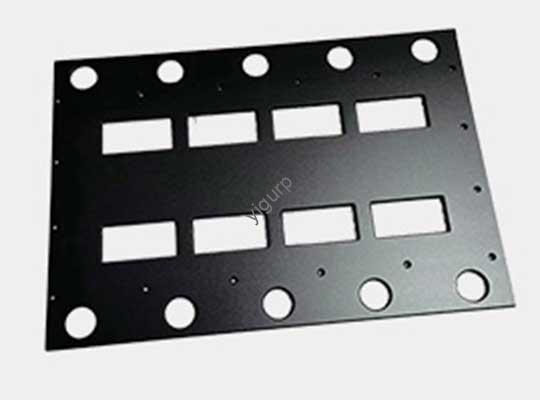
Se você já se perguntou como os produtos de metal do dia a dia, desde peças de carrocerias até utensílios de cozinha, adquirem seus formatos precisos, a resposta muitas vezes está em estampagem. Mas o que a estampagem realmente significa no mundo da manufatura? Não é apenas uma simples ação de “pressionar”; é um sofisticado, processo de usinagem altamente eficiente que alimenta indústrias em todo o mundo. Neste guia, we’ll break down the definition of stamping, its key types, aplicações do mundo real, benefícios, and more—so you can fully understand this critical manufacturing method.
1. The Basic Definition: What Exactly Is Stamping?
Em sua essência, estampagem (also called the processo de estampagem) is a metalworking technique that uses two key tools—prensas e morre—to shape or cut metal materials. É assim que funciona:
A press applies controlled external force to flat metal materials (como pratos, strips, ou folhas) or even 3D metal forms (como tubos ou profiles). The force pushes the material into a custom-designed die (a mold with the desired shape) or between two dies. This force causes the material to either:
- Undergo plastic deformation (change shape without breaking) to match the die’s contour, ou
- Separate along a pre-determined line (to cut the material into a specific size).
The end result? A part or product with consistent shape, tamanho, and quality—exactly what manufacturers need for mass production.
2. Key Types of Stamping Processes: Separation vs. Moldar
Stamping isn’t a one-size-fits-all process. It’s divided into two main categories based on its goal: separating material or shaping it. Below is a detailed breakdown of each type, with common operations and real examples to make it clear.
| Process Category | Objetivo principal | Operações Comuns | Real-World Examples |
| Separation Process | To cut or split material along a fixed contour (no shape change—just size adjustment) | – Supressão: Cutting a flat metal sheet into a specific shape (por exemplo, a circle for a washer).- Soco: Creating holes in a metal part (por exemplo, holes in a computer case for screws).- Corte: Cutting straight lines in metal (por exemplo, trimming the edges of a metal panel for a fridge). | – Making metal washers for machinery.- Punching holes in automotive door handles.- Trimming metal strips for electrical components. |
| Processo de Modelagem | To reshape the material into a 3D form (no separation—material stays whole) | – Dobrando: Folding metal at an angle (por exemplo, making a 90° bend for a shelf bracket).- Stretching: Pulling metal over a die to create curved shapes (por exemplo, the curved top of a car roof).- Gravação: Creating raised or recessed designs on metal (por exemplo, logos on soda cans or text on metal nameplates). | – Bending metal brackets for furniture.- Stretching aluminum sheets to make pot lids.- Embossing brand logos on stainless steel water bottles. |
3. Where Is Stamping Used? Real-Industry Applications
Stamping is everywhere—you interact with stamped products almost every day. Its ability to produce high-quality, consistent parts at scale makes it a top choice for industries like automotive, home appliances, e mais. Here are the most common applications, with specific examples:
Indústria Automotiva
The automotive sector is the largest user of stamping—over 60% of a car’s metal parts are made via stamping (fonte: Automotive Manufacturing Solutions). Exemplos incluem:
- Painéis de carroceria (doors, capuzes, pára-lamas).
- Peças interiores (dashboard frames, suportes de assento).
- Componentes do motor (panelas de óleo, tampas de válvula).
Por exemplo, Toyota uses stamping to produce over 10,000 body parts per day for its Camry model—ensuring every part fits perfectly with zero variation.
Eletrodomésticos
Nearly all metal parts in your kitchen or laundry room are stamped. Think:
- Stainless steel inner tubs for washing machines.
- Metal frames for refrigerators or microwaves.
- Utensils like spatulas or mixing bowls (stamped from aluminum or stainless steel).
Samsung, por exemplo, relies on stamping to make 500,000 refrigerator door panels monthly—keeping up with global demand.
Office Machinery & Eletrônica
Stamping is critical for small, precise parts in devices you use at work. Exemplos:
- Metal brackets inside printers or copiers.
- Connector pins for laptops or smartphones.
- Heat sinks for computers (stamped from aluminum to dissipate heat).
HP uses stamping to produce 1 million printer brackets per week—ensuring their machines are durable and reliable.
4. Why Manufacturers Love Stamping: Principais benefícios
What makes stamping so popular? It offers unmatched advantages that help manufacturers save time, dinheiro, and resources. Aqui estão os principais benefícios:
- Alta Precisão: Stamping dies are engineered to tolerances as tight as ±0.001 inches (0.025 milímetros). This means every part is identical—critical for products like car parts, where even a tiny mismatch can cause safety issues.
- Smooth Surfaces: Stamped parts have minimal burrs (arestas) and a clean finish. This eliminates the need for extra polishing or sanding, cutting down on production time.
- Alta Produtividade: Modern stamping presses can process up to 1,000 partes por minuto. Por exemplo, a high-speed press can stamp 500 metal washers in just 30 seconds—far faster than manual methods.
- Econômico: Once the die is made, the cost per part drops dramatically. Para produção em massa (por exemplo, 100,000+ peças), stamping is 30-50% cheaper than other methods like casting or machining.
- Wide Material Compatibility: Stamping works with almost all metals, incluindo aço, alumínio, cobre, e até titânio. This flexibility makes it useful for industries from aerospace to jewelry.
5. Yigu Technology’s Take on Stamping
Na tecnologia Yigu, we see stamping as the backbone of modern manufacturing. As a leader in providing precision engineering solutions, we’ve helped 500+ clients—from automotive suppliers to electronics brands—optimize their stamping processes. We believe stamping’s biggest strength is its ability to balance speed, precisão, and cost—something no other metalworking method does as well. Whether our clients need 10,000 small electrical components or 1,000 large automotive panels, we design custom stamping dies and use high-efficiency presses to deliver parts that meet strict quality standards. For manufacturers looking to scale, stamping isn’t just a process—it’s a strategic tool to stay competitive.
Perguntas frequentes: Common Questions About Stamping
1º trimestre: Can stamping be used for non-metal materials?
While stamping is most commonly used for metals, it can also process certain non-metals like plastic sheets or rubber. No entanto, metal stamping remains the most widespread application due to its demand in key industries like automotive and electronics.
2º trimestre: How long does it take to make a stamping die?
The time to make a die depends on its complexity. Um dado simples (por exemplo, for a washer) pode levar 1-2 semanas, enquanto um complexo morre (por exemplo, for a car fender) pode levar 4-8 semanas. Na tecnologia Yigu, we use 3D modeling to speed up die design, reduzindo os prazos de entrega 20%.
3º trimestre: Is stamping environmentally friendly?
Yes—stamping generates very little waste. The scrap metal from separation processes (like blanking or punching) is almost 100% reciclável. Adicionalmente, modern stamping presses use energy-efficient motors, reduzindo as emissões de carbono através 15-20% compared to older models.