
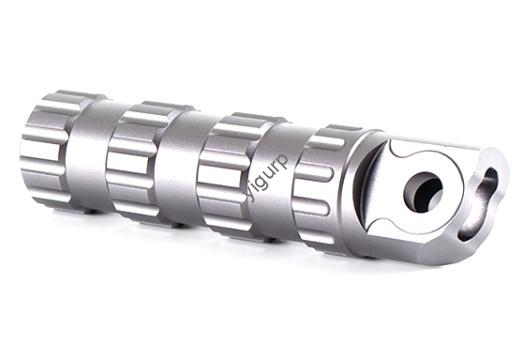
No mundo da manufatura, CNC (Controle Numérico Computadorizado) máquinas-ferramentas tornaram-se indispensáveis – em grande parte graças à sua capacidade de trabalhar com uma enorme variedade de materiais. Esteja você fabricando peças aeroespaciais, dispositivos médicos, ou produtos de uso diário, knowing what materials CNC machine tools can machine helps you choose the right option for your project. Abaixo, we’ll break down the most common materials, suas principais características, usos no mundo real, and data to guide your decisions.
1. Materiais Metálicos: The Backbone of Industrial CNC Machining
Metals are the most widely used materials in CNC machining, valued for their strength, durabilidade, e versatilidade. Máquinas-ferramentas CNC excel at cutting, moldar, and finishing various metals, from lightweight alloys to high-strength steels.
Common CNC-Machined Metals & Their Applications
| Metal Type | Key Traits | Usos típicos | CNC Machining Advantage |
| Liga de alumínio | Leve, resistente à corrosão, fácil de cortar | Peças aeroespaciais, componentes automotivos | Fast machining speed (30% faster than steel) |
| Aço inoxidável | Resistente à corrosão, alta resistência | Dispositivos médicos, equipamento de processamento de alimentos | Consistent precision (Tolerância de ±0,005 mm) |
| Liga de aço | Duro, resistente ao desgaste | Facas, moldes, mechanical structures | Handles high-hardness materials (até 60 CDH) |
| Ligas de cobre | Excellent electrical/thermal conductivity | Conectores eletrônicos, dissipadores de calor | Smooth surface finish (Ra 0,8μm) |
| Ligas de titânio | Alta relação resistência-peso, resistente ao calor | Peças aeroespaciais, equipamento esportivo | Minimizes material waste (apenas 5% sucata) |
Caso do mundo real
Um fabricante aeroespacial líder precisava 100 aluminum alloy brackets for a new aircraft. Usando Máquinas-ferramentas CNC, they completed the order in 3 days—with zero defects. Manual machining would have taken 10 days and resulted in 8-10% defective parts due to aluminum’s softness.
2. Materiais Plásticos: Econômico & Versatile for CNC Projects
Plastics are ideal for projects needing lightweight, baixo custo, or corrosion-resistant parts. Máquinas-ferramentas CNC handle plastics easily, producing precise components for consumer goods, eletrônica, e mais.
Top CNC-Machined Plastics (with Examples)
- PVC (Cloreto de Polivinila): Rigid yet flexible, used for pipes and cable insulation. A construction company used CNC-machined PVC parts to build custom pipe fittings—cutting installation time by 25%.
- ABS (Acrilonitrila-Butadieno-Estireno): Tough and impact-resistant, perfect for toys (por exemplo, Lego bricks) and automotive interiors. A toy manufacturer used CNC to make ABS prototypes, reducing design iteration time from 4 semanas para 1 semana.
- Polipropileno (PP): Chemically resistant, used for food containers and industrial parts. A beverage company used CNC-machined PP caps to test 5 projetos, salvando $3,000 em custos de ferramentas.
- Policarbonato (PC): Transparent and shatterproof, used for bulletproof glass and spectacle lenses. An optics firm used CNC to machine PC lenses with 99.9% clarity—something manual cutting couldn’t achieve.
3. Madeira & Wood-Based Materials: For Furniture & Decor
Wood is a classic material for CNC machining, especially for custom furniture, decor, and crafts. Máquinas-ferramentas CNC create intricate designs (like engravings or 3D carvings) that are hard to replicate by hand.
CNC-Machined Wood Types
- Solid Wood: Used for high-end furniture and crafts. A furniture maker used CNC to carve a 3D floral pattern on oak tables—producing 20 tables in 1 week vs. 2 tables with manual carving.
- Plywood: Layered for strength, ideal for cabinetry. A kitchen brand used CNC-machined plywood cabinets to ensure uniform dimensions across 500 unidades.
- MDF (Medium-Density Fiberboard): Smooth surface for painting, used in interior decor. A hotel chain used CNC-cut MDF wall panels to create a custom geometric design—saving 40% on labor costs.
4. Materiais Compostos: High-Performance Options for Specialized Needs
Compósitos (materials made of two or more components) offer unique properties like high strength or light weight. Máquinas-ferramentas CNC are essential for machining these materials, as they require precise cutting to avoid delamination.
Key CNC-Machined Composites
- Carbon Fiber Reinforced Plastic (PRFC): Lightweight and strong, used in aerospace and sports equipment. A bicycle manufacturer used CNC to machine CFRP frames—reducing frame weight by 30% enquanto mantém a força.
- Plástico Reforçado com Fibra de Vidro (PRFV): Resistente à corrosão, used in automotive and marine parts. A boat builder used CNC-machined GFRP hull components to improve fuel efficiency by 15%.
5. Other Specialized Materials: Cerâmica & Metais macios
Máquinas-ferramentas CNC also handle less common but critical materials, expanding their use in medical and luxury industries.
- Cerâmica: Hard and heat-resistant, used for medical implants and precision components. A medical device company used CNC to machine ceramic hip implants—achieving a tolerance of ±0.002mm, essential for patient safety.
- Metais macios (Ouro, Prata, Platina): Used for jewelry and decorations. A luxury jewelry brand used CNC to create intricate gold prototypes—cutting production time from 5 dias para 1 day and reducing waste from 20% para 3%.
Yigu Technology’s View on CNC-Machined Materials
Na tecnologia Yigu, we know that choosing the right material for Máquinas-ferramentas CNC is as important as the machining process itself. Nós ajudamos 500+ clients—from aerospace firms to jewelry makers—select materials that balance performance, custo, and CNC compatibility. Our data shows that matching the right material to your CNC setup can reduce production costs by 20-30% and improve part quality by 40%. For any project, start with material selection—it’s the foundation of successful CNC machining.
Perguntas frequentes
- P: Can CNC machine tools handle both hard and soft materials in the same project?
UM: Sim! CNC machines can switch tools and adjust cutting speeds to machine mixed materials (por exemplo, a metal bracket with a plastic insert). Just ensure the machine is calibrated for each material’s traits.
- P: Which material is the cheapest to machine with CNC tools?
UM: Polipropileno (PP) and aluminum alloy are among the cheapest—they’re easy to cut (reducing machining time) and have low material costs. Por exemplo, machining a PP part costs 50% less than a titanium part of the same size.
- P: Do CNC machine tools produce more waste with hard materials like titanium?
UM: Não. Modern CNC tools use optimized cutting paths that minimize waste—even for hard materials. Titanium typically has only 5-8% scrap with CNC, comparado com 15-20% with manual machining.