
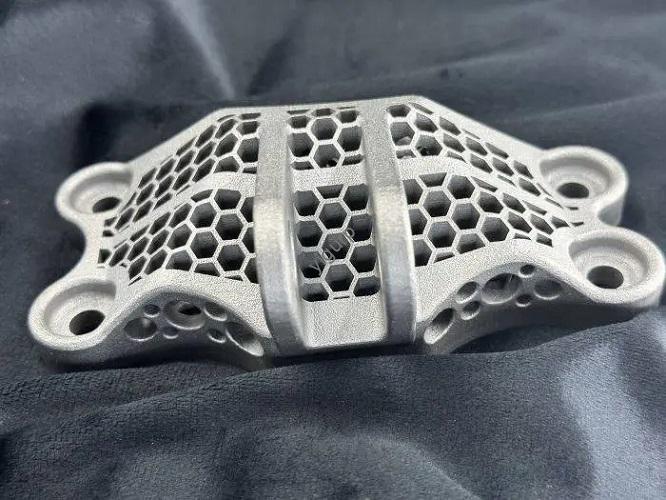
Se você já se perguntou como os modelos 3D complexos, como joias detalhadas,, coroas dentárias personalizadas, ou protótipos precisos - são feitos, chances are alight-curing 3D printer is behind the process. Ao contrário das impressoras 3D baseadas em filamentos (FDM), modelos fotopolimerizáveis usam luz para transformar resina líquida em sólida, objetos de alta precisão. Quer você seja um hobby, um pequeno empresário, or a professional in fields like dentistry or design, this guide will break down everything you need to know about light-curing 3D printers.
1. Core Definition: What Exactly Is a Light-Curing 3D Printer?
UMlight-curing 3D printer is a manufacturing device that uses a focused light source (such as a UV laser, digital projector, or LCD screen) to “cure” (harden) liquid photopolymer resin layer by layer. Each cured layer bonds to the one before it, gradually building up a complete 3D object.
The key difference from other 3D printing technologies (como FDM, which melts plastic filament) is its reliance onfotopolimerização—a chemical reaction triggered by light that turns liquid resin into a solid, durable material. This process allows for extremely fine details, making light-curing printers ideal for projects where precision matters most.
2. Technical Principle: How Light-Curing 3D Printers Work
At the heart of every light-curing 3D printer is thelayer-by-layer curing process. Here’s a step-by-step breakdown of how it typically operates:
- Preparação de Resina: The printer’s resin tank is filled with liquid photopolymer resin (formulated to harden when exposed to specific light wavelengths, usually UV).
- Layer Design: O modelo 3D (saved as an STL file) is sliced into hundreds or thousands of thin layers by software—each layer is like a 2D “slice” of the final object, often as thin as 0.02mm.
- Light Exposure: The printer’s light source (laser, projector, or LCD) shines onto the resin’s surface, curing only the area corresponding to the current layer. This turns the liquid resin in that area into a solid.
- Layer Stacking: After one layer cures, the printer’s build plate (which holds the growing object) moves up slightly (para SLA) or the resin tank moves down (for LCD/DLP). This exposes a fresh layer of liquid resin for the next cure.
- Pós-processamento: Once the print is complete, the object is removed from the resin tank, rinsed with isopropyl alcohol (para remover o excesso de resina), and sometimes cured again with a UV lamp to strengthen the material.
3. Common Types of Light-Curing 3D Printers: A Detailed Comparison
Not all light-curing 3D printers are the same—they vary by light source, velocidade, precisão, e custo. Below is a side-by-side table comparing the three most popular types:
| Tipo | Light Source | Principais vantagens | Key Disadvantages | Typical Accuracy | Printing Speed | Ideal Use Cases |
|---|---|---|---|---|---|---|
| SLA (Estereolitografia) | UV Laser | Highest precision; smooth surface finish | Slow printing; expensive equipment/resin | 0.01–0,1 mm | Lento (1–5 cm³/hour) | Professional prototypes, implantes dentários, fine art |
| DLP (Processamento Digital de Luz) | Digital Projector | Faster than SLA; cures entire layers at once | Surface may show tiny pixel marks | 0.02–0,2 mm | Médio (5–15 cm³/hour) | Fundição de joias, estatuetas, peças pequenas |
| LCD (Liquid Crystal Display) | UV LCD Screen | Lowest cost; fast for small objects | Slightly lower accuracy than SLA; screen wear | 0.02-0,3mm | Rápido (8–20 cm³/hour) | Hobbyist models, cosplay parts, entry-level prototypes |
Example Use Cases by Type:
- SLA: A dental lab uses an SLA printer (like Formlabs Form 4) to create custom dental aligner molds with 0.05mm accuracy—critical for ensuring a perfect fit for patients.
- DLP: A jewelry designer uses a DLP printer to produce 10 small ring prototypes in 2 horas (faster than SLA), then uses these prototypes to make metal casts.
- LCD: A hobbyist uses a budget LCD printer (like Elegoo Mars 4) to print detailed cosplay armor pieces for under $300, achieving smooth results for non-professional use.
4. Pros and Cons of Light-Curing 3D Printing
Light-curing technology has clear strengths, but it also comes with tradeoffs. Understanding these will help you decide if it’s the right choice for your needs.
Principais vantagens:
- Exceptional Precision: Produces models with fine details (down to 0.01mm) that FDM printers can’t match—perfect for intricate designs like jewelry or dental parts.
- Acabamento de superfície lisa: Cured resin creates a glossy, superfície lisa, reducing the need for post-processing (sanding or painting) compared to FDM prints.
- Ideal for Small Objects: Works best for small to medium-sized parts (most consumer models have build volumes under 200x200x200mm), making it great for prototypes or custom accessories.
Key Disadvantages:
- Higher Costs: Professional SLA printers can cost $2,000–$10,000+, and resin is more expensive than FDM filament (typically $30–$80 per liter).
- Slower Printing: SLA printers, in particular, are slow—printing a small prototype (por exemplo, um cubo de 5cm) can take 2–4 hours, comparado com 30 minutes–1 hour with FDM.
- Resin Handling Requirements: Liquid resin is toxic if ingested or touched without gloves, and requires proper disposal (it can’t be poured down drains). Post-processing also needs isopropyl alcohol, adding extra steps.
5. Practical Applications: Where Light-Curing 3D Printers Shine
Light-curing technology is used across industries for its precision. Here are the most common real-world uses:
- Dentistry: Dental labs rely on light-curing printers to create crowns, pontes, aligner molds, and surgical guides. Por exemplo, a clinic might use an SLA printer to make a custom aligner mold in 3 horas, cutting down on the time patients wait for treatment.
- Jewelry Design: Jewelry makers use DLP or SLA printers to create wax-like resin models, which are then used in lost-wax casting to make metal jewelry. This allows for complex designs (like intricate pendants) that would be hard to carve by hand.
- Product Prototyping: Engineers and designers use light-curing printers to test small prototypes—e.g., a tech company might print a 1:1 model of a phone case to check fit and design before mass production.
- Art and Figurines: Artists and hobbyists use LCD printers to create detailed figurines, miniatures (for tabletop games like D&D), or custom art pieces. Por exemplo, a sculptor might print a 10cm tall figurine with fine facial features in 2 horas.
- Fabricação Industrial: High-end models (like the Formlabs Form 3+) are used in industries like aerospace or automotive to print small, peças de alto desempenho (por exemplo, lightweight brackets or sensor housings) that need to be both strong and precise.
6. Buying Guide: How to Choose the Right Light-Curing 3D Printer
When shopping for a light-curing 3D printer, focus on these 5 key factors to match your needs and budget:
1. Define Your Use Case
- Hobbyist: Choose an LCD printer (por exemplo, Elegoo Mars 4, Anycubic Photon Mono M5s) for under $500—great for small models and cosplay parts.
- Small Business: A mid-range DLP or SLA printer (por exemplo, Formulário Formlabs 3+, Peopoly Phenom Noir) ($2,000–$5,000) works for prototypes or jewelry.
- Professional/Dental: Invest in a high-end SLA printer (por exemplo, 3D Systems ProJet MJP 2500) ($10,000+) for maximum accuracy and reliability.
2. Check Build Volume
The build volume (maximum size of the object you can print) varies:
- Consumer LCD/DLP: 150x150x200mm (good for small parts).
- Professional SLA: 250x250x300mm (fits larger prototypes or multiple small parts).
3. Prioritize Resolution
Resolução (often measured in XY pixels or layer height) determines detail:
- For fine details (dental, joia): Choose layer height 0.01–0.05mm and XY resolution 30–50 microns.
- For basic models (amador): Layer height 0.05–0.1mm is sufficient.
4. Consider Material Compatibility
Not all resins work with all printers:
- Standard Resin: For general use (protótipos, estatuetas).
- Dental Resin: Biocompatível (for dental parts).
- Tough Resin: Alta resistência (para peças funcionais).
Make sure the printer supports the resin type you need.
5. Set a Budget
- Entry-level (LCD): $200–$500.
- Mid-range (DLP/SLA): $1,000–$5,000.
- Professional (High-end SLA): $5,000–$20,000+.
Don’t forget to factor in resin costs ($30–$80/liter) and post-processing supplies (isopropyl alcohol, gloves).
Yigu Technology’s Perspective on Light-Curing 3D Printing
Na tecnologia Yigu, we believe light-curing 3D printing is a game-changer for precision-focused industries—especially dentistry, joia, and product design. Its ability to turn complex digital designs into tangible, high-detail objects bridges the gap between creativity and production. For users new to the technology, we recommend starting with entry-level LCD printers to test use cases before scaling up; for professionals, investing in SLA or DLP systems ensures consistent quality for client work. As resin materials become more affordable and printers faster, we expect light-curing tech to become even more accessible, unlocking new possibilities for small businesses and creators.
Perguntas frequentes: Common Questions About Light-Curing 3D Printers
1. Is light-curing resin safe to use?
Light-curing resin is non-toxic once fully cured, but liquid resin can irritate skin or eyes. Always wear nitrile gloves and safety glasses when handling liquid resin, work in a well-ventilated area, and never ingest it. Rinse cured parts thoroughly with isopropyl alcohol before use.
2. How long does it take to print an object with a light-curing 3D printer?
Print time depends on the object’s height, espessura da camada, and printer type. A small 5cm tall model with 0.05mm layers might take 2–4 hours (SLA) or 1–2 hours (LCD/DLP). Larger or more detailed objects can take 8–12 hours or longer.
3. Can light-curing 3D prints be painted or sanded?
Sim! Cured resin has a smooth surface that accepts paint well (use acrylic or enamel paints). For a smoother finish, you can sand prints with fine-grit sandpaper (400–1000 grit) before painting. Just be sure to clean the print with alcohol first to remove any residue.