
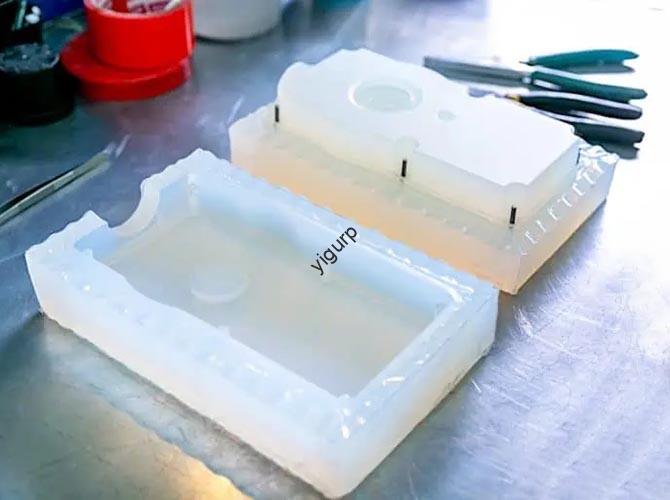
Se você está procurando serviços confiáveis de fundição a vácuo na Eslováquia, você encontrará uma mistura de especialistas locais e fornecedores internacionais que oferecem soluções rápidas, soluções econômicas para prototipagem e produção de baixo volume. Se você precisa de peças de plástico ou borracha para indústrias como a automotiva, médico, ou eletrônicos, O cenário de fundição a vácuo da Eslováquia combina conhecimentos técnicos com fácil acesso às cadeias de abastecimento europeias, tornando-a uma escolha inteligente para empresas em todo o continente. Neste guia, detalharemos tudo o que você precisa saber, desde como funciona a fundição a vácuo na Eslováquia até como escolher o parceiro certo para o seu projeto.
O que é fundição a vácuo, e por que é popular na Eslováquia?
Fundição a vácuo (também chamado de fundição de uretano) é um processo de fabricação que utiliza um molde de silicone para produzir réplicas de alta fidelidade de um modelo mestre. O processo funciona despejando poliuretano líquido ou materiais de borracha em um molde de silicone sob pressão de vácuo – isso elimina bolhas de ar, garantindo suavidade, peças detalhadas. Ao contrário da moldagem por injeção, que requer ferramentas de metal caras, fundição a vácuo usa moldes de silicone de baixo custo, tornando-o ideal para prototipagem (1-10 peças) e produção de baixo volume (até 500 peças por molde).
Na Eslováquia, a popularidade da fundição a vácuo cresceu por três razões principais. Primeiro, a forte base industrial do país – especialmente nos setores automotivo e eletrônico – cria uma alta demanda por produtos rápidos, protótipos precisos. Segundo, A localização central da Eslováquia na Europa significa fácil envio para grandes mercados como a Alemanha, Áustria, e a República Checa, com prazos típicos de 3-7 dias para pedidos pequenos. Terceiro, os fornecedores locais oferecem frequentemente preços competitivos em comparação com os países da Europa Ocidental, mantendo simultaneamente os padrões de qualidade da UE (como ISO 9001).
Um exemplo do mundo real: Uma startup automotiva sediada em Bratislava usou recentemente a fundição a vácuo para produzir 50 componentes do painel de protótipo. Trabalhando com um provedor local, eles reduziram o tempo de entrega de 4 semanas (com um fornecedor alemão) para 5 dias e reduziu os custos em 30% – tudo isso atendendo aos rígidos requisitos de durabilidade para peças internas automotivas.
Principais vantagens de escolher a fundição a vácuo na Eslováquia
Quando você opta pela fundição a vácuo na Eslováquia, você não está apenas recebendo uma parte – você está aproveitando um conjunto de benefícios adaptados às empresas europeias. Aqui está o que se destaca:
1. Tempos de resposta rápidos
Os fornecedores de fundição a vácuo da Eslováquia priorizam a velocidade, graças a processos internos simplificados. A maioria pode criar um molde de silicone a partir do seu modelo mestre impresso em 3D em 1-2 dias, então produza peças em 2-3 dias. Para projetos urgentes (como ajustes de protótipo de última hora antes de uma feira comercial), alguns provedores oferecem serviços urgentes de 48 horas. Esta é uma grande vantagem em relação aos países onde atrasos no envio ou ciclos de produção mais longos podem atrasar o seu cronograma..
2. Conformidade com os padrões de qualidade e segurança da UE
Todas as empresas respeitáveis de fundição a vácuo na Eslováquia aderem aos regulamentos da UE, o que é fundamental se você estiver fabricando peças para indústrias regulamentadas. Para dispositivos médicos, as peças são frequentemente produzidas usando materiais biocompatíveis (como poliuretanos aprovados pela FDA). Para peças automotivas, fornecedores atendem a padrões como REACH e RoHS, garantindo que seus componentes sejam seguros para uso nos mercados europeus.
3. Custo-benefício para pequenos lotes
A moldagem por injeção pode custar dezenas de milhares de euros em ferramentas de metal – algo que a maioria das startups ou pequenas empresas não pode pagar. A fundição a vácuo na Eslováquia evita isso: os moldes de silicone custam normalmente entre 200€ e 800€ (dependendo do tamanho e complexidade da peça), e os custos por peça variam entre 5€ e 50€. Isso o torna perfeito para testar projetos antes de ampliar, ou para produzir pequenos lotes de peças personalizadas (como componentes de reposição para máquinas).
4. Versatilidade de materiais
Os fornecedores eslovacos oferecem uma ampla gama de materiais para atender às necessidades do seu projeto. Você pode escolher:
- Plásticos rígidos (semelhante ao ABS, PC, ou PP) para peças estruturais.
- Borrachas flexíveis (com dureza Shore de 30A a 90A) para juntas, selos, ou punhos.
- Materiais transparentes (como PMMA) para lentes ou tampas de display.
- Materiais de espuma para peças leves ou de amortecimento.
Muitos provedores também oferecem opções de pós-processamento, como pintura, impressão, ou montagem, para que você possa ter uma peça acabada pronta para uso.
Como escolher o fornecedor certo de fundição a vácuo na Eslováquia
Nem todas as empresas de fundição a vácuo são iguais – por isso é importante escolher uma que esteja alinhada com os objetivos do seu projeto. Aqui está uma lista de verificação passo a passo para ajudá-lo a decidir:
Etapa 1: Verifique suas capacidades técnicas
Primeiro, confirme se o fornecedor pode lidar com o tamanho e a complexidade da sua peça. A maioria das empresas eslovacas pode fundir peças de até 500 mm x 500 mm x 300 mm, mas se você precisar de algo maior (como um protótipo de pára-choque de carro), você precisará de um especialista com câmaras de vácuo maiores. Peça para ver exemplos de seus trabalhos anteriores – procure superfícies lisas, detalhes precisos, e qualidade consistente em todas as peças.
Etapa 2: Verifique as opções e certificações de materiais
Certifique-se de que o fornecedor oferece o material que você precisa. Se a sua peça for para um dispositivo médico, peça certificados que comprovem biocompatibilidade. Para peças automotivas, verifique se eles têm experiência com materiais retardadores de chama ou resistentes ao calor. Fornecedores respeitáveis terão prazer em compartilhar relatórios de testes ou folhas de dados de materiais (MDS).
Etapa 3: Avalie prazos de entrega e preços
Obtenha um cronograma claro antecipadamente. Perguntar: “Quanto tempo vai demorar para fazer o molde de silicone?” e “Quantas peças você pode produzir por semana?" Também, compare os preços, mas não opte apenas pela opção mais barata. Um preço um pouco mais alto pode significar melhor qualidade do material ou retorno mais rápido. A maioria dos provedores oferece orçamentos gratuitos, então envie-lhes o seu modelo 3D (em formato STL ou STEP) para obter uma estimativa precisa.
Etapa 4: Procure suporte e comunicação local
Trabalhar com um provedor na Eslováquia significa que você pode se comunicar em inglês, Alemão, ou eslovaco – sem barreiras linguísticas. Muitas empresas também oferecem visitas in loco caso você queira inspecionar o processo de produção. Este nível de suporte local é inestimável se você precisar fazer alterações no projeto ou solucionar problemas rapidamente.
Etapa 5: Verifique as avaliações e referências dos clientes
Pesquise avaliações em plataformas como Google ou LinkedIn, ou peça ao fornecedor referências de clientes anteriores. Um bom sinal é a repetição de negócios em setores como o automotivo ou o médico – isso mostra que o fornecedor atende consistentemente a altos padrões. Por exemplo, um fornecedor baseado em Bratislava tem um 4.9/5 Avaliação do Google, com clientes elogiando sua “atenção aos detalhes” e “tempos de resposta rápidos”.
O processo de fundição a vácuo na Eslováquia: O que esperar
Compreender o processo o ajudará a trabalhar de forma mais eficaz com seu provedor. Aqui está um fluxo de trabalho típico para um projeto de fundição a vácuo na Eslováquia:
- Preparação do modelo mestre: Primeiro, você fornece um modelo mestre impresso em 3D (geralmente feito de resina ou PLA) ou uma parte física. O fornecedor limpará e finalizará o master para garantir que não haja defeitos – isso é crucial, pois quaisquer falhas aparecerão nas peças fundidas.
- Fabricação de moldes de silicone: O mestre é colocado em uma caixa de molde, e silicone líquido é derramado em volta dele. A caixa é colocada sob vácuo para remover bolhas de ar, depois curado no forno (geralmente para 4-8 horas). Uma vez curado, o molde de silicone é aberto para remover o mestre - este molde pode ser usado para fazer 20-50 peças (dependendo do material e uso).
- Mistura e fundição de materiais: O poliuretano ou borracha escolhido é misturado com um endurecedor. A mistura é colocada no molde de silicone, e o molde é novamente colocado sob vácuo para eliminar o ar. O material cura à temperatura ambiente (ou no forno para resultados mais rápidos) para 2-4 horas.
- Desmoldagem e Pós-Processamento: A peça é removida do molde. O fornecedor cortará o excesso de material (chamado de “flash”) e pode adicionar pós-processamento como pintura, lixar, ou perfuração. Se você precisar de montagem, eles também podem juntar várias peças para criar um produto acabado.
- Controle de Qualidade e Envio: As peças finais são inspecionadas quanto a defeitos (como bolhas de ar ou imprecisões dimensionais). Uma vez aprovado, eles são embalados e enviados - geralmente via DHL ou UPS - com entrega na maioria dos países da UE dentro 1-2 dias.
Estudo de caso do mundo real: Fundição a vácuo para uma startup de dispositivos médicos na Eslováquia
Para mostrar como funciona a fundição a vácuo na prática, vejamos um estudo de caso de uma startup de dispositivos médicos em Košice. A empresa precisava produzir 100 protótipos da caixa de uma ferramenta de diagnóstico portátil – eles tinham um prazo apertado (3 semanas) e exigia que as peças fossem biocompatíveis e duráveis.
Desafio
Os protótipos impressos em 3D da startup eram muito frágeis para testes de usuários, e a moldagem por injeção era muito cara para um lote pequeno. Eles também precisavam que a caixa tivesse um tom específico de azul para combinar com sua marca, com acabamento fosco.
Solução
Eles fizeram parceria com um fornecedor de fundição a vácuo em Bratislava. O fornecedor usou um material de poliuretano biocompatível (certificado pela ISO 10993) e criei um molde de silicone a partir do modelo 3D da startup. Eles adicionaram um pigmento azul personalizado ao material e aplicaram um revestimento fosco após a fundição.
Resultado
A startup recebeu 100 protótipos em 10 dias – 2 semanas antes do previsto. As peças eram duráveis o suficiente para testes de usuários, e a cor personalizada combinava perfeitamente com sua marca. O custo total foi de 3.500€ (incluindo molde, peças, e pós-processamento)—uma fração dos mais de 20.000 euros que teriam gasto em moldagem por injeção.
Perspectiva da Yigu Technology sobre fundição a vácuo na Eslováquia
A Yigu Technology reconhece que o setor de fundição a vácuo da Eslováquia se destaca pela sua combinação de qualidade em conformidade com a UE, retorno rápido, e eficiência de custos – fatores-chave para empresas que desejam acelerar o desenvolvimento de produtos. A localização do país na Europa Central é uma grande vantagem, pois permite uma logística perfeita para clientes em toda a UE, reduzindo os tempos e custos de envio em comparação com fornecedores na Ásia ou mesmo na Europa Ocidental.
Acreditamos que a verdadeira força da fundição a vácuo da Eslováquia reside na sua adaptabilidade. Os provedores locais são excelentes no tratamento de solicitações personalizadas, sejam materiais biocompatíveis para peças médicas ou plásticos retardadores de chama para componentes automotivos. Para empresas que buscam equilibrar qualidade e preço acessível, A Eslováquia oferece um meio-termo difícil de superar, especialmente para lotes pequenos e médios onde a moldagem por injeção não é viável.
Na tecnologia Yigu, recomendamos frequentemente parceiros eslovacos de fundição a vácuo a clientes com projetos baseados na UE, pois eles entregam consistentemente no prazo e atendem aos rígidos padrões do setor. O foco do setor no suporte ao cliente – incluindo comunicação multilíngue e ajustes flexíveis de design – também se alinha ao nosso compromisso de ajudar os clientes a dar vida às suas ideias sem problemas.
Perguntas frequentes sobre fundição a vácuo na Eslováquia
1. Quanto custa a fundição a vácuo na Eslováquia?
Os custos dependem do tamanho da peça, complexidade, e quantidade. Um molde de silicone custa normalmente entre 200 e 800 euros, e os custos por peça variam entre 5€ e 50€. Para um pequeno lote de 50 peças, os custos totais geralmente ficam entre 500€ e 3.000€.
2. Qual é o tamanho máximo da peça que posso fundir na Eslováquia?
A maioria dos fornecedores pode lidar com peças de até 500 mm x 500 mm x 300 mm. Para peças maiores (como pára-choques automotivos ou gabinetes industriais), procure especialistas com câmaras de vácuo maiores – alguns podem fundir peças de até 1.000 mm de comprimento.
3. As peças fundidas a vácuo da Eslováquia estão em conformidade com os regulamentos da UE??
Sim. Fornecedores respeitáveis seguem padrões como ISO 9001 (gestão de qualidade), ALCANÇAR (segurança química), RoHS (restrição de substâncias perigosas), e ISO 10993 (biocompatibilidade para peças médicas). Sempre peça documentos de certificação para confirmar.
4. Quanto tempo leva para obter peças de um fornecedor eslovaco?
Para um pedido padrão: 1-2 dias para fabricação de moldes, 2-3 dias para casting, e 1-2 dias para envio. O prazo total de entrega geralmente é 3-7 dias. Serviços urgentes (48-tempo de entrega para pequenos lotes) estão disponíveis para projetos urgentes.
5. Posso obter cores ou acabamentos personalizados?
Sim. A maioria dos fornecedores oferece pigmentação personalizada (qualquer cor Pantone) e acabamentos como fosco, lustroso, ou texturizado. Eles também podem adicionar logotipos ou texto por meio de impressão ou gravação.
6. Quais materiais estão disponíveis para fundição a vácuo na Eslováquia?
Os materiais comuns incluem poliuretanos rígidos (ABS, PC, Equivalentes PP), borrachas flexíveis (30Dureza costa A-90A), plásticos transparentes (Equivalente de PMMA), e materiais de espuma. Opções biocompatíveis e retardantes de chama também estão disponíveis.