
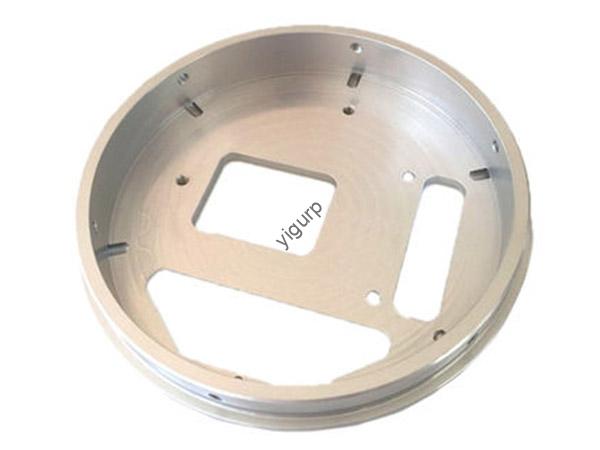
O aço cirúrgico estrutural é especializado, liga de alta pureza projetada para aplicações críticas onde a segurança, durabilidade, e biocompatibilidade não são negociáveis. Ao contrário do aço inoxidável padrão, é preciso composição química— rico em elementos resistentes à corrosão e com baixo teor de impurezas — o torna ideal para instrumentos cirúrgicos, implantes, e outros usos sensíveis. Neste guia, vamos detalhar suas principais características, aplicações do mundo real, processos de fabricação, e como ele se compara a outros materiais, ajudando você a selecioná-lo para projetos que exigem os mais altos padrões.
1. Principais propriedades do material estrutural de aço cirúrgico
A confiabilidade da estrutura de aço cirúrgico começa com sua engenharia cuidadosa composição química, que molda sua excepcional propriedades mecânicas, confiável propriedades físicas, e outras características críticas.
Composição Química
A fórmula estrutural do aço cirúrgico é otimizada para biocompatibilidade e resistência à corrosão, com elementos-chave, incluindo:
- Conteúdo de cromo: 16-18% (forma uma camada protetora de óxido - núcleo até seu excelente resistência à corrosão e evita ferrugem em fluidos corporais ou esterilização)
- Conteúdo de níquel: 10-14% (estabiliza a estrutura austenítica para ductilidade e aumenta a biocompatibilidade)
- Conteúdo de molibdênio: 2-3% (aumenta resistência à corrosão em ambientes agressivos, como água salgada ou esterilizantes químicos)
- Conteúdo de carbono: ≤0,08% (baixo carbono minimiza a corrosão intergranular, crítico para ferramentas cirúrgicas soldadas)
- Conteúdo de manganês: ≤2% (melhora a força sem reduzir a flexibilidade)
- Conteúdo de silício: ≤1% (auxilia na desoxidação durante a fabricação, garantindo pureza)
- Conteúdo de fósforo: ≤0,045% (controlado para evitar fragilidade, que poderia quebrar instrumentos cirúrgicos)
- Conteúdo de enxofre: ≤0,03% (ultra-baixo para manter a resistência à corrosão e prevenir a toxicidade)
- Elementos de liga adicionais: Vanádio (0.1-0.5%, refina o tamanho do grão para maior resistência) ou titânio (0.1-0.3%, estabiliza o carbono para evitar a precipitação de carbonetos)
Propriedades Físicas
| Propriedade | Valor típico (Grau 316L, um tipo de aço cirúrgico comum) |
| Densidade | 7.9 g/cm³ |
| Condutividade Térmica | 16 C/(m·K) (a 20ºC) |
| Capacidade Específica de Calor | 0.5 J/(g·K) (a 20ºC) |
| Coeficiente de Expansão Térmica | 16 × 10⁻⁶/°C (20-500°C) |
| Propriedades Magnéticas | Não magnético (classes austeníticas como 316L – ideais para ferramentas compatíveis com ressonância magnética) |
Propriedades Mecânicas
Estrutura de aço cirúrgico equilibra resistência e ductilidade, essencial para implantes rígidos e instrumentos flexíveis:
- Alta resistência à tração: 550-700 MPa (forte o suficiente para implantes ortopédicos suportarem o peso corporal)
- Força de rendimento: 200-300 MPa (flexível o suficiente para dobrar pinças cirúrgicas sem deformação permanente)
- Alongamento: 30-40% (em 50 mm – permite a formação de formas complexas, como aparelhos dentários)
- Dureza: 150-180 Brinell, 70-80 Rockwell B., 160-190 Vickers (macio o suficiente para usinagem, forte o suficiente para resistir ao desgaste)
- Força de fadiga: 250-300 MPa (a 10⁷ ciclos – crítico para implantes sob estresse repetido, como articulações do quadril)
- Resistência ao impacto: 100-150 J. (à temperatura ambiente – resiste a rachaduras causadas por impactos repentinos, como deixar cair ferramentas cirúrgicas)
Outras propriedades críticas
- Excelente resistência à corrosão: Supera o aço padrão – resiste a fluidos corporais, esterilização de produtos químicos (por exemplo, óxido de etileno), e calor de autoclave.
- Resistência à corrosão: Superior – o molibdênio evita corrosão em ambientes ricos em cloreto (por exemplo, água salgada em aplicações marítimas ou suor em implantes).
- Resistência à corrosão sob tensão: Muito bom – lida com tensões de tração em ambientes corrosivos (por exemplo, implantes ortopédicos sob uso diário).
- Biocompatibilidade: Excepcional – atende à ISO 10993 padrões; sem reações tóxicas com tecido humano (seguro para implantes e instrumentos cirúrgicos).
- Resistência à esterilização: Inigualável – resiste a repetidas autoclavagens (121°C, 15 psi) ou radiação gama sem degradar.
- Usinabilidade: Bom – fácil de usinar em formatos precisos (por exemplo, pequenas lâminas de bisturi cirúrgico) com ferramentas afiadas.
- Soldabilidade: Excelente – as soldas retêm resistência e resistência à corrosão (crítico para montagem de cabos de instrumentos cirúrgicos).
2. Aplicações no mundo real de estruturas de aço cirúrgico
Mistura estrutural de aço cirúrgico de biocompatibilidade e excelente resistência à corrosão torna-o a melhor escolha para indústrias onde a segurança e a durabilidade são críticas. Aqui estão seus usos mais comuns:
Indústria Médica
- Instrumentos cirúrgicos: Bisturis, fórceps, e os hemostatos usam Grau 316L - resistem à corrosão do sangue e à esterilização, e manter a nitidez por anos.
- Implantes ortopédicos: As substituições de quadril e joelho usam Grau 316LVM (derretido a vácuo para ultrapureza)—biocompatível, forte o suficiente para suportar o peso corporal, e resistir ao desgaste.
- Instrumentos odontológicos: Brocas e aparelhos dentários usam Grau 304 - não magnético (compatível com radiografias dentárias) e resistir à corrosão da saliva.
- Dispositivos médicos: As canetas de insulina e as pontas dos cateteres utilizam aço cirúrgico estrutural – pequeno, preciso, e seguro para contato repetido com a pele.
Exemplo de caso: Uma empresa de dispositivos médicos trocou o titânio pelo aço cirúrgico grau 316L para implantes de quadril. Os novos implantes custam 30% menos, tinha a mesma biocompatibilidade, e não mostrou corrosão ou desgaste em acompanhamentos de pacientes de 5 anos – reduzindo os custos de implantes para profissionais de saúde.
Indústria aeroespacial
- Componentes de aeronaves: Sensores de motor e cabos de controle usam estrutura de aço cirúrgico – resistem à corrosão causada por combustível de aviação e altas altitudes.
- Fixadores: Parafusos e parafusos em cabines de aeronaves usam Grau 316L – não magnético (evita interferir nos sistemas de navegação) e forte.
- Trem de pouso: Pequeno, partes críticas (por exemplo, buchas) use aço cirúrgico – resista ao desgaste e à corrosão causada pela chuva e pelo sal da estrada.
Indústria Automotiva
- Componentes de alto desempenho: Válvulas de motor de corrida usam grau 420 (aço cirúrgico martensítico)-lidar com altas temperaturas (até 600ºC) e resistir à corrosão do óleo.
- Sistemas de exaustão: Os escapamentos de carros de luxo usam Grau 304 - resistem à ferrugem da chuva e do sal da estrada, e manter um acabamento polido.
- Componentes de suspensão: Os elos de suspensão de carros de última geração usam Grau 316L - fortes e resistentes à corrosão, melhorando a qualidade do passeio.
Alimentos e Bebidas & Indústrias Farmacêuticas
- Indústria de alimentos e bebidas: Equipamento de processamento (por exemplo, espremedores de frutas) e tanques de armazenamento usam Grau 316L - resistem à corrosão de alimentos ácidos (por exemplo, cítrico) e atender aos padrões da FDA.
- Indústria farmacêutica: Recipientes de mistura estéreis e prensas de comprimidos usam Grau 316L – fácil de higienizar, resistir à corrosão causada por produtos químicos, e evitar a contaminação do produto.
3. Técnicas de Fabricação de Estruturas de Aço Cirúrgico
A produção estrutural de aço cirúrgico requer precisão para manter a pureza e a biocompatibilidade. Aqui está o processo:
1. Processos Metalúrgicos (Foco na Pureza)
- Forno Elétrico a Arco (EAF): Derrete sucata de aço, cromo, níquel, e molibdênio a 1.600-1.700°C. Sucata com teor ultrabaixo de enxofre é usada para atender aos padrões de biocompatibilidade.
- Forno de oxigênio básico (BOF): Para produção em larga escala – sopra oxigênio para remover impurezas, em seguida, adiciona elementos de liga (por exemplo, vanádio) para níveis precisos.
- Refusão por arco a vácuo (NOSSO): Para aço para implantes (por exemplo, 316LVM)—derrete a liga no vácuo para remover bolhas de gás e impurezas, garantindo ultra-pureza.
2. Processos Rolantes
- Laminação a quente: A liga fundida é fundida em placas, aquecido a 1.100-1.200°C, e enrolado em formas grossas (bares, pratos) para implantes ou peças estruturais.
- Laminação a frio: Laminado a frio para fazer folhas finas (por exemplo, para lâminas de instrumentos cirúrgicos) com rígido controle de espessura – melhora o acabamento superficial e a dureza.
3. Tratamento térmico
- Recozimento de solução: Aquecido a 1.050-1.150°C e mantido por 30-60 minutos, então temperado com água. Isso dissolve carbonetos, restaurando a resistência à corrosão e a ductilidade.
- Recozimento de alívio de tensão: Aquecido a 800-900°C para 1-2 horas - reduz o estresse da soldagem ou conformação (crítico para ferramentas cirúrgicas para evitar dobras).
- Têmpera e revenimento: Para classes martensíticas (por exemplo, 420)- temperado para endurecer, então temperado para equilibrar dureza e tenacidade (para ferramentas de corte).
4. Conformação e Tratamento de Superfície
- Métodos de formação:
- Moldagem por prensa: Usa prensas hidráulicas para moldar peças como cabeças de implantes ou cabos de instrumentos.
- Dobrando: Cria ângulos para pinças cirúrgicas ou braquetes aeroespaciais - flexão controlada para evitar rachaduras.
- Usinagem: Usa máquinas CNC com ferramentas de metal duro para fazer formas precisas (por exemplo, 0.1lâminas de bisturi com mm de espessura).
- Soldagem: Usa soldagem TIG para cabos de instrumentos cirúrgicos – baixa entrada de calor para evitar danos às propriedades da liga.
- Tratamento de superfície:
- Decapagem: Mergulhado em ácido para remover incrustações da laminação a quente – preserva a resistência à corrosão.
- Passivação: Tratado com ácido nítrico para melhorar a camada de óxido de cromo – aumenta a resistência à ferrugem dos implantes.
- Eletropolimento: Para ferramentas cirúrgicas e implantes – cria uma superfície suave, superfície resistente a micróbios (remove 5-10 μm de material) e melhora a biocompatibilidade.
- Revestimento (PVD): Revestimentos finos de nitreto de titânio para ferramentas de corte — adicionam resistência ao desgaste sem comprometer a biocompatibilidade.
5. Controle de qualidade (Padrões rígidos)
- Teste ultrassônico: Verifica se há defeitos internos (por exemplo, rachaduras) em implantes ou componentes aeroespaciais.
- Testes radiográficos: Inspeciona soldas em busca de falhas (por exemplo, porosidade) em instrumentos cirúrgicos.
- Teste de tração: Verifica alta resistência à tração (550-700 MPa) e força de rendimento.
- Análise microestrutural: Examina a liga sob um microscópio para confirmar a pureza e a ausência de impurezas (crítico para biocompatibilidade).
- Teste de biocompatibilidade: Realiza testes de cultura celular para garantir que não haja reações tóxicas (para ISO 10993) antes do uso médico.
4. Estudo de caso: Estrutural de aço cirúrgico em aparelho dentário
Uma empresa de suprimentos odontológicos usou aço inoxidável padrão para aparelhos, mas os pacientes reclamaram de irritação e manchas de ferrugem. Eles mudaram para aço cirúrgico grau 316L estrutural, com os seguintes resultados:
- Biocompatibilidade: As queixas de irritação diminuíram 80% – o aço não reagiu com a saliva ou com o tecido gengival sensível.
- Resistência à corrosão: Sem manchas de ferrugem depois 2 anos de uso (contra. 6 meses para aço padrão).
- Satisfação do Paciente: 90% dos pacientes relataram mais conforto, e os ortodontistas notaram um ajuste mais fácil (devido à ductilidade do aço).
5. Estrutural de Aço Cirúrgico vs.. Outros materiais
Como o aço cirúrgico estrutural se compara a outros materiais populares? Vamos decompô-lo com uma tabela detalhada:
| Material | Custo (contra. Aço Cirúrgico Grau 316L) | Resistência à tracção | Biocompatibilidade | Resistência à corrosão (Fluidos Corporais) | Magnético |
| Grau 316L (Aço Cirúrgico) | Base (100%) | 550-700 MPa | Excelente | Excelente | Não |
| Nota 304 (Aço inoxidável padrão) | 70% | 515 MPa | Bom (não para implantes) | Bom | Não |
| Liga de titânio (Ti-6Al-4V) | 400% | 860 MPa | Excelente | Excelente | Não |
| Aço carbono | 30% | 400-550 MPa | Pobre (tóxico) | Pobre | Sim |
| Liga de alumínio (6061) | 80% | 310 MPa | Justo (not for long-term implants) | Bom | Não |
Adequação da aplicação
- Surgical Implants: Grade 316L surgical steel is better than titanium (mais barato, mais fácil de usinar) e atende aos padrões de biocompatibilidade.
- Dental Braces: Superior to standard 304 (less irritation, sem ferrugem) e mais barato que o titânio.
- Fixadores Aeroespaciais: Better than carbon steel (resistente à corrosão) e não magnético (avoids navigation interference).
- Processamento de Alimentos: Grade 316L surgical steel outperforms aluminum (resists acidic foods) e atende aos padrões da FDA.
A visão da tecnologia Yigu sobre estruturas de aço cirúrgico
Na tecnologia Yigu, we see surgical steel structural as a critical material for safety-focused industries. Isso é biocompatibilidade, excelente resistência à corrosão, and precision make it ideal for our medical, aeroespacial, and food clients. We often recommend Grade 316L for implants and surgical tools, and Grade 304 for less critical uses like food equipment. While costlier than standard steel, its reliability reduces long-term risks (por exemplo, implant failure), aligning with our goal of delivering safe, soluções sustentáveis.
Perguntas frequentes
1. O que torna o aço cirúrgico estrutural diferente do aço inoxidável padrão?
Surgical steel structural has stricter purity standards (lower sulfur/phosphorus), mais alto cromo e molibdênio para melhor resistência à corrosão, and meets biocompatibilidade padrões (ISO 10993). Standard stainless steel may have impurities or lower corrosion resistance, tornando-o inseguro para uso médico.
2. A estrutura do aço cirúrgico é segura para implantes de longo prazo??
Sim. Notas como 316LVM (aço cirúrgico fundido a vácuo) são projetados para implantes de longo prazo. Eles são biocompatíveis (sem reações tóxicas), resistir à corrosão de fluidos corporais, e tenha o suficiente resistência à fadiga para lidar com o uso diário (por exemplo, implantes de quadril duradouros 10+ anos).
3. A estrutura de aço cirúrgico pode ser esterilizada várias vezes?
Absolutamente. Suporta repetidas autoclavagens (121°C, 15 psi), radiação gama, ou esterilizantes químicos (por exemplo, peróxido de hidrogênio) sem perder força, resistência à corrosão, ou biocompatibilidade – fundamental para ferramentas cirúrgicas reutilizáveis.