
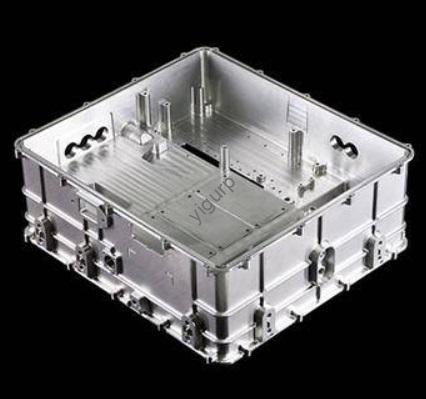
Na competitiva indústria de eletrodomésticos, acertar os designs dos produtos antes da produção em massa é vital para cortar custos e atender às necessidades dos consumidores. Soft rubber home appliance prototype models are a key tool—they let you test design feasibility, verifique como as peças funcionam juntas, e corrigir problemas antecipadamente, tudo sem gastar muito em peças de produção completa. Whether you’re a procurement engineer choosing materials or a product engineer refining a design, this guide tells you everything you need to create high-quality soft rubber home appliance prototypes.
1. Why Soft Rubber Materials Are Perfect for Home Appliance Prototypes
Home appliance prototypes need to handle daily use, resist heat from appliances like ovens or microwaves, and stay flexible for parts like gaskets or buttons. Soft rubber materials meet all these needs, making them a top pick for home appliance projects.
To help you choose the right material, here’s a breakdown of common options, their key features, and real-home appliance uses:
| Tipo de material | Propriedades principais | Home Appliance Use Case Example | Temperature Resistance Range |
| TPU (Poliuretano Termoplástico) | Great wear resistance, high elasticity, easy to shape | Flexible door gaskets for refrigerators | -40°C a 120 °C |
| Borracha de silicone | Excellent high-temperature resistance, não tóxico, fácil de limpar | Heat-resistant handles for electric kettles | -60°C a 230 °C |
| EPDM (Ethylene Propylene Rubber) | Strong resistance to water and chemicals, long-lasting flexibility | Sealing strips for washing machine doors | -50°C a 150 °C |
Estudo de caso: A major home appliance brand used silicone rubber prototypes to test electric kettle handles. The prototypes were exposed to 180°C heat (simulating boiling water) para 1,000+ hours without melting or losing shape. This proved the design worked, saving the brand $90,000 in potential production reworks.
2. Step-by-Step Process to Make Soft Rubber Home Appliance Prototypes
Creating a reliable soft rubber home appliance prototype model requires following precise steps. Below is a clear workflow used by top home appliance manufacturers:
Etapa 1: Material Selection – Pick the Right Base
Choosing the correct material is the first critical step. When selecting, ask yourself:
- Will the part be near heat (like a kettle handle)? Go for silicone.
- Will it be in contact with water (like a washing machine seal)? EPDM is a good choice.
- Does it need to stand up to frequent use (like a fridge door gasket)? TPU offers great wear resistance.
Pro Tip: A small home appliance maker once chose EPDM instead of silicone for a toaster’s heat-resistant part. The EPDM warped at high temperatures, causing a 3-week delay—always match the material to the appliance’s use!
Etapa 2: Data Collection – Get the Details Correct
This step ensures your prototype matches your design exactly:
- 3D Drawing Import: Ask customers for 3D CAD files (such as STEP or IGES formats). These files are the foundation of prototype making—importing them into a computer lets you do 后续 data processing and programming. Por exemplo, a fridge manufacturer once got incomplete CAD files for a door gasket, leading to a prototype that didn’t seal properly; always double-check files upfront.
- Gypsum Sample Production: Make a gypsum sample based on the 3D drawings. This sample is used to confirm the part’s shape, curvature, and size. It’s a “test run” for mold making—if the gypsum sample is wrong, the mold will be too. A dishwasher brand uses gypsum samples to check the curve of soft rubber detergent compartment seals, ensuring a 0.1mm margin of error for a tight fit.
Etapa 3: CNC Machining – Shape with Precision
CNC machining turns your chosen material into the prototype with high accuracy:
- Programação & Setting: Use CNC software (like Mastercam) to create cutting paths. The machine then removes excess rubber, keeping the exact shape of the product part. CNC machining produces a smooth surface (as low as Ra 0.8μm), which is perfect for home appliance parts that need to fit tightly (like a microwave door seal).
- Multi-Axis Machining Technology: Para peças complexas (such as a curved rubber button panel for a coffee maker), use multi-axis CNC machines. This technology lets you make complex parts directly from rubber sheets or rods without needing molds, and it improves precision by 25% em comparação com a usinagem tradicional. A coffee maker brand cut prototype production time from 4 dias para 2 using this tech.
Etapa 4: Post-Treatment – Improve Durability and Looks
Post-treatment makes your prototype ready for testing and use in home appliances:
- Rebarbação: Use lixa (400-grit or finer) to smooth out knife marks and burrs on the prototype’s surface. Burrs can cause problems—for example, a tiny burr on a washing machine seal could let water leak. This step is a must!
- Tratamento de superfície: Add treatments like spray painting (for color matching), impressão em tela de seda (for labels like “on/off” on buttons), or electroplating (para maior resistência à corrosão). A blender brand uses silk screen printing on soft rubber control buttons— the labels don’t fade even after 5,000+ prensas.
Etapa 5: Conjunto & Testing – Make Sure It Works
This step ensures your prototype functions well in real home appliance use:
- Test Assembly: Put all prototype parts together to check for gaps or misalignments. Por exemplo, a dryer manufacturer tests assembling soft rubber lint filter seals with the dryer’s body to make sure there are no air leaks.
- Teste Funcional: Test the prototype under conditions that mimic real use. Key tests include:
- Structural stability: Drop the prototype from 1m (simulating a fall from a countertop) 20 times—no cracks or breaks allowed.
- Mechanical properties: Measure tensile strength (TPU prototypes usually have 50-70 MPa) to ensure they don’t stretch or break with use.
- Environmental simulation: Expose the prototype to humidity (até 80%) e mudanças de temperatura (-10°C to 60°C) para 100 hours—no deformation.
Etapa 6: Embalagem & Shipping – Keep It Safe
Protect your prototype during transport to the customer:
- Safe Packaging: Use foam inserts and hard cardboard boxes to prevent damage. A supplier once shipped prototypes in thin plastic bags—30% of them got crushed, leading to delays. Investing in good packaging saves time and money.
- Delivery Time: Plan production to meet the customer’s timeline. Most home appliance projects need prototypes in 2-3 semanas. If there’s a delay (like a material shortage), tell the customer as soon as possible to manage their expectations.
3. Yigu Technology’s View on Soft Rubber Home Appliance Prototypes
Na tecnologia Yigu, we’ve helped 300+ home appliance clients create soft rubber home appliance prototype models sobre 9 anos. We think success comes from two things: understanding home appliance needs and strict quality control. Por exemplo, we developed a custom TPU blend for a fridge brand that needed a door gasket prototype— it’s more flexible than standard TPU and resists cold better (-45°C versus. -40°C). We also use 3-step testing (before machining, after post-treatment, and after assembly) to meet ISO 9001 padrões. For engineers and procurement teams, working with a supplier who knows home appliances’ unique needs isn’t just helpful—it’s essential to avoid costly mistakes.
Perguntas frequentes
- P: How long does it take to make a soft rubber home appliance prototype?
UM: Geralmente 2-3 semanas, dependendo da complexidade. Peças simples (like a small gasket) take 2 semanas, while complex parts (like a curved button panel) take 3 semanas.
- P: Are soft rubber home appliance prototypes safe for contact with food?
UM: Sim, se você escolher o material certo. Food-safe silicone rubber (atende aos padrões da FDA) is often used for parts like blender gaskets or rice cooker seals. Always confirm the material’s safety certifications with your supplier.
- P: Can I get a sample of the soft rubber material before making the prototype?
UM: Most suppliers (including Yigu Technology) offer small material samples. Testing the sample first (para flexibilidade, resistência ao calor, etc.) helps you pick the right material and avoid prototype mistakes.