
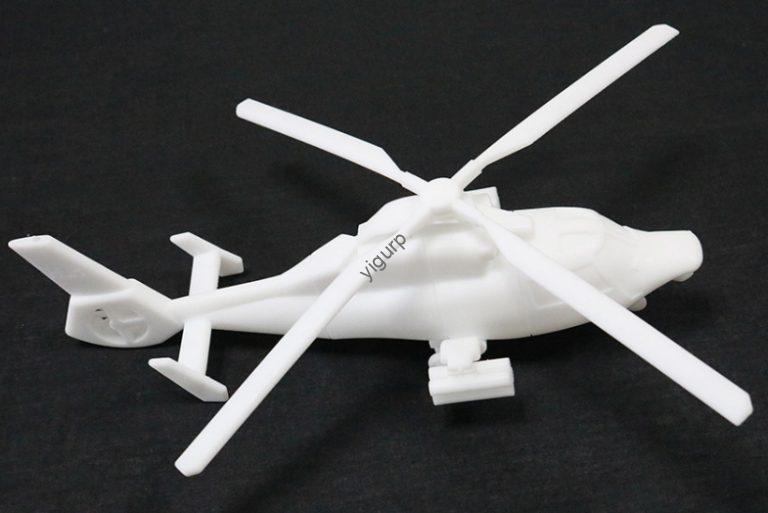
No mundo acelerado da engenharia aeroespacial, verificar ideias de design de forma rápida e confiável é fundamental para reduzir custos e evitar riscos. Soft rubber aerospace prototype models stand out as a game-changer—they let teams test functionality, ajustar, e durabilidade por uma fração do custo das peças de produção total. Whether you’re a procurement engineer sourcing materials or a product engineer refining a design, this guide breaks down everything you need to know to create high-quality soft rubber aerospace prototypes.
1. Why Soft Rubber Materials Are Ideal for Aerospace Prototypes
Aerospace prototypes face unique challenges: they must withstand extreme temperatures, resist harsh chemicals, and stay flexible without losing shape. Soft rubber materials check all these boxes, making them a top choice for aerospace applications.
To help you compare options, here’s a detailed breakdown of the most common materials, their properties, and real-world use cases:
| Material Type | Propriedades principais | Aerospace Use Case Example | Temperature Resistance Range |
| TPU (Poliuretano Termoplástico) | Excellent wear resistance, high elasticity, good impact strength | Flexible gaskets for satellite door seals | -40°C to 120°C |
| Silicone Rubber | Superior high-temperature resistance, chemical inertness, transparência (optional) | Thermal insulation sleeves for rocket fuel lines | -60°C to 230°C |
| EPDM (Ethylene Propylene Rubber) | Outstanding weather resistance, ozone resistance, low compression set | Sealing strips for aircraft cabin windows | -50°C to 150°C |
Estudo de caso: A leading aerospace manufacturer used silicone rubber prototypes to test fuel line insulation. The prototypes endured 500+ cycles of temperature changes (-40°C to 200°C) without cracking, proving the design’s viability before full production—saving $120,000 in potential rework costs.
2. Step-by-Step Process to Create Soft Rubber Aerospace Prototypes
Creating a reliable soft rubber aerospace prototype model requires strict adherence to precision steps. Below is a clear, actionable workflow used by top aerospace manufacturers:
Step 1: Data Collection – Lay the Foundation
- 3D Drawing Import: Start with customer-provided CAD files (por exemplo, STEP, IGES formats). These files are critical—they ensure every detail (like part thickness or curvature) is captured. Por exemplo, a drone manufacturer once provided incomplete CAD files, leading to a 2-week delay; double-checking files upfront avoids this.
- Gypsum Sample Production: Make a gypsum model to confirm shape and dimensions. This step acts as a “test run” for mold accuracy. A supplier for Boeing uses gypsum samples to verify the curvature of soft rubber wing edge protectors, ensuring a 0.1mm margin of error.
Step 2: CNC Machining – Achieve Precision
- Programming & Setting: Use CNC software (por exemplo, Mastercam) to program cutting paths. The machine removes excess rubber, retaining the exact part shape. CNC machining delivers surface roughness as low as Ra 0.8μm—perfect for aerospace parts that need tight fits.
- Usinagem Multi-Eixos: For complex parts (por exemplo, curved rubber gaskets for jet engines), use 5-axis CNC machines. This technology cuts parts in one go, reducing setup time by 30% compared to 3-axis machines. A European aerospace firm cut production time for a prototype from 5 days to 2 using 5-axis machining.
Step 3: Post-Treatment – Boost Durability & Aesthetics
- Deburring: Use fine sandpaper (400-grit or higher) to smooth knife marks. Burrs can cause leaks in rubber seals, so this step is non-negotiable.
- Tratamento de superfície: Apply coatings like silicone spray (for extra heat resistance) or electroplating (para proteção contra corrosão). A satellite maker sprays a special coating on soft rubber antenna gaskets to resist space radiation.
Step 4: Assembly & Testing – Ensure Performance
- Test Assembly: Fit all prototype parts together to check for gaps. Por exemplo, a helicopter parts supplier tests the assembly of soft rubber rotor dampers to ensure they align with metal components.
- Functional Testing: Simulate real aerospace conditions. Tests include:
- Structural stability: Apply 10,000 cycles of vibration (mimicking takeoff) to check for cracks.
- Mechanical properties: Measure tensile strength (TPU prototypes typically have 50-70 MPa) to ensure they can handle stress.
- Environmental simulation: Expose prototypes to -50°C to 180°C to test temperature resistance.
Step 5: Packaging & Shipping – Protect Your Investment
- Safe Packaging: Use foam inserts and hard cases to prevent damage. A supplier once shipped prototypes in flimsy boxes, leading to 20% of parts being crushed—investing in quality packaging saves money.
- On-Time Delivery: Align production with customer timelines. Most aerospace projects require prototypes within 2-4 weeks; communicate delays early (por exemplo, material shortages) to manage expectations.
3. Yigu Technology’s Perspective on Soft Rubber Aerospace Prototypes
Na tecnologia Yigu, we’ve supported 500+ aerospace clients in creating soft rubber prototype models over the past decade. We believe the key to success lies in two areas: material customization and strict quality control. Por exemplo, we developed a custom silicone blend for a rocket company that needed prototypes resistant to 250°C—exceeding their initial requirement of 230°C. We also use 3-stage testing (pre-machining, post-treatment, final assembly) to ensure every prototype meets AS9100 aerospace standards. For engineers and procurement teams, partnering with a supplier that understands aerospace’s unique demands isn’t just a choice—it’s a necessity to avoid costly mistakes.
Perguntas frequentes
- P: How long does it take to make a soft rubber aerospace prototype?
UM: Typically 2-4 weeks, depending on complexity. Simple parts (por exemplo, small seals) take 2 weeks, while complex 5-axis machined parts (por exemplo, engine gaskets) take 4 weeks.
- P: Can soft rubber prototypes be used for long-term testing?
UM: Yes—high-quality materials like silicone can withstand 1,000+ hours of environmental testing (temperatura, vibration) without degrading. Always confirm material durability with your supplier.
- P: What certifications should a soft rubber prototype supplier have?
UM: Look for AS9100 (aerospace quality management) and ISO 9001 certifications. These ensure the supplier follows strict processes to meet aerospace standards.