
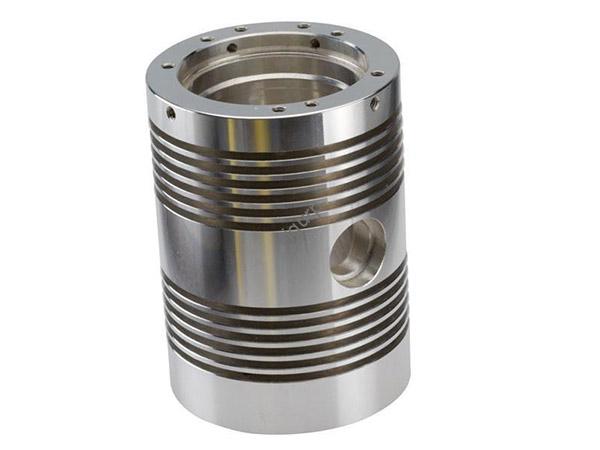
SK7 structural steel is a high-carbon alloy steel renowned for its balanced blend of força, dureza, e usinabilidade—traits shaped by its carefully tuned composition (incluindo carbono, cromo, e vanádio). Ao contrário dos aços de baixo carbono, O SK7 se destaca em aplicações de tensão média a alta, onde durabilidade e precisão são importantes, tornando-o a melhor escolha para engenharia mecânica, fabricação automotiva, construção, and heavy industries. Neste guia, vamos detalhar suas principais propriedades, usos no mundo real, processos de fabricação, e como ele se compara a outros materiais, helping you select it for projects that demand reliability and performance.
1. Key Material Properties of SK7 Structural Steel
SK7’s performance stems from its optimized composition and heat-treatable nature, which balance mechanical strength with practical workability.
Composição Química
SK7’s formula prioritizes strength and hardness while retaining usability, with typical ranges for key elements:
- Carbono (C): 0.60-0.70% (drives hardness and tensile strength, forming hard carbides for wear resistance)
- Manganês (Mn): 0.50-0.80% (enhances hardenability and tensile strength without excessive brittleness)
- Silício (E): 0.15-0.35% (auxilia na desoxidação durante a fabricação e estabiliza as propriedades mecânicas)
- Enxofre (S): ≤0,03% (ultra-baixo para manter a tenacidade e evitar rachaduras durante a conformação ou soldagem)
- Fósforo (P): ≤0,03% (estritamente controlado para evitar fragilidade pelo frio, crítico para aplicações de baixa temperatura)
- Cromo (Cr): 0.10-0.30% (trace addition boosts corrosion resistance and hardenability)
- Vanádio (V): 0.05-0.15% (refina o tamanho do grão, improving impact toughness and fatigue resistance)
- Molibdênio (Mo): 0.05-0.15% (opcional, enhances high-temperature strength for automotive or industrial components)
Propriedades Físicas
| Propriedade | Typical Value for SK7 Structural Steel |
| Densidade | ~7,85g/cm³ (consistent with standard structural steels, sem penalidade de peso extra) |
| Ponto de fusão | ~1450-1500°C (suitable for high-temperature manufacturing processes like hot forging) |
| Condutividade térmica | ~45 C/(m·K) (at 20°C—enables efficient heat dissipation in welded structures or engine parts) |
| Capacidade térmica específica | ~0,48kJ/(kg·K) (a 20ºC) |
| Resistividade elétrica | ~150 Ω·m (at 20°C—higher than low-carbon steels, limiting use in electrical applications) |
| Propriedades magnéticas | Ferromagnético (mantém o magnetismo em todos os estados, simplificando testes não destrutivos) |
Propriedades Mecânicas
Após tratamento térmico padrão (têmpera e revenido), SK7 delivers reliable performance for medium-stress applications:
- Resistência à tracção: ~900-1100 MPa (30-50% higher than low-carbon steels, ideal for load-bearing parts like shafts)
- Força de rendimento: ~650-800 MPa (garante que as peças resistam à deformação permanente sob cargas pesadas)
- Dureza:
- Rockwell C. (CDH): 50-55 (após tratamento térmico)
- Brinell (HB): 200-250 (estado recozido, para usinagem fácil)
- Ductilidade:
- Alongamento: ~12-18% (em 50 mm—enough to form complex shapes without cracking)
- Redução de área: ~35-45% (indicates good toughness during forming)
- Resistência ao impacto (Entalhe em V Charpy, 20°C): ~30-45 J/cm² (sufficient for non-extreme cold environments)
- Resistência à fadiga: ~400-500MPa (at 10⁷ cycles—critical for dynamic parts like gears or suspension components)
Outras propriedades
- Resistência à corrosão: Moderado (chromium addition protects against mild humidity; requires painting/galvanizing for outdoor use)
- Soldabilidade: Justo (requires preheating to 200-250°C to avoid cracking; post-weld tempering recommended for high-stress parts)
- Usinabilidade: Bom (estado recozido, HB 200-250, works well with carbide tools; avoid machining after hardening to prevent tool wear)
- Formabilidade: Bom (cold forming possible for thin sections; hot forming recommended for thick parts to retain toughness)
- Resistência ao desgaste: Bom (carbon and vanadium carbides resist abrasion, extending life for parts like bearings or gears)
2. Real-World Applications of SK7 Structural Steel
SK7’s versatility makes it ideal for industries where strength, precisão, and durability are non-negotiable. Aqui estão seus usos mais comuns:
Engenharia Mecânica
- Eixos: Industrial motor shafts use SK7—resistência à tracção (900-1100 MPa) handles rotational loads, e resistência à fadiga prevents failure from repeated stress (por exemplo, 10,000+ horário de funcionamento).
- Engrenagens: Medium-load gearboxes (para sistemas transportadores) use SK7—dureza (50-55 CDH) resiste ao desgaste dos dentes, e ductilidade allows precision gear shaping.
- Rolamentos: Small industrial bearing races use SK7—resistência ao desgaste extends bearing life by 20% contra. low-carbon steels.
- Peças de máquinas: Hydraulic cylinder rods use SK7—conformabilidade enables smooth surface finishes, e resistência à corrosão (com chapeamento) protects against hydraulic fluids.
Exemplo de caso: A machinery manufacturer used low-carbon steel for conveyor gear shafts but faced frequent fatigue failure (depois 5,000 horas). Switching to SK7 extended shaft life to 12,000 horas (140% mais longo)—cortando custos de reposição $18,000 anualmente.
Indústria Automotiva
- Componentes do motor: Timing gears and valve springs use SK7—resistência a altas temperaturas (aided by molybdenum) withstands 100°C+ engine heat, e resistência à fadiga avoids premature failure.
- Peças de transmissão: Manual transmission synchronizer rings use SK7—dureza ensures smooth gear shifts, e resistência ao desgaste reduces maintenance.
- Eixos: Light truck rear axles use SK7—força de rendimento (650-800 MPa) alças 2-3 toneladas de cargas, e ductilidade prevents bending during rough terrain use.
- Componentes de suspensão: Shock absorber rods use SK7—resistência resiste às vibrações da estrada, e usinabilidade allows precise thread cutting.
Construção
- Vigas estruturais: Small industrial building beams use SK7—força suporta 5-10 ton overhead loads, e conformabilidade enables curved designs for aesthetic structures.
- Colunas: Warehouse support columns use SK7—resistência à tracção resists vertical loads, e soldabilidade (with preheating) simplifica a montagem no local.
- Treliças: Roof trusses for factories use SK7—leve (contra. aço de alta resistência) reduces overall building weight, e durabilidade withstands wind loads.
- Pontes: Pedestrian bridges or small road bridges use SK7—resistência à corrosão (com pintura) protects against rain, e resistência resists pedestrian/vehicle impact.
Outras aplicações
- Construção naval: Small ship deck brackets use SK7—resistência à corrosão (com galvanização) resists saltwater spray, e força supports deck equipment.
- Railway vehicles: Train bogie components use SK7—resistência à fadiga alças 100,000+ km of travel, e resistência ao desgaste reduces bogie maintenance.
- Máquinas pesadas: Excavator bucket pins use SK7—resistência ao desgaste withstands dirt and rock abrasion, extending pin life by 1.5x vs. low-alloy steels.
- Power generation equipment: Small turbine shafts use SK7—resistência a altas temperaturas withstands 200°C turbine heat, e precisão ensures smooth rotation.
3. Manufacturing Techniques for SK7 Structural Steel
Producing SK7 requires precision to balance its strength and workability—key to its performance across industries. Aqui está o processo detalhado:
1. Siderurgia
- Forno Elétrico a Arco (EAF): Método primário – sucata de aço, carbono, manganês, and trace alloys (cromo, vanádio) são derretidos a 1600-1700°C. Sensors monitor composition to keep carbon (0.60-0.70%) e vanádio (0.05-0.15%) within range—critical for strength and toughness.
- Forno de oxigênio básico (BOF): Para produção em larga escala – o ferro fundido é misturado com sucata de aço; oxigênio ajusta o conteúdo de carbono. As ligas são adicionadas após o sopro para evitar oxidação.
- Fundição contínua: Molten steel is cast into slabs or billets (100-300 mm de espessura) for further processing—faster and more consistent than ingot casting.
- Ingot casting: Used for small batches—steel is poured into molds to form ingots, then reheated for rolling.
2. Trabalho a quente
- Laminação a quente: Slabs/billets are heated to 1100-1200°C and rolled into plates, bares, ou bobinas. Hot rolling refines grain size (aumentando a resistência) and shapes SK7 into standard forms (por exemplo, barras redondas para eixos, placas planas para vigas).
- Hot forging: Heated steel (1000-1100°C) is pressed into complex shapes (por exemplo, gear blanks or axle components) using hydraulic presses—improves material density and strength.
- Extrusão: Heated steel is pushed through a die to create long, formas uniformes (por exemplo, structural profiles for trusses)—ideal for high-volume parts.
- Hot drawing: Steel rods are pulled through a die at 800-900°C to reduce diameter and improve surface finish—used for precision parts like bearing races.
- Recozimento: After hot working, steel is heated to 700-750°C for 2-3 horas, então esfriou lentamente. Reduces hardness (to HB 200-250) and relieves stress, making it ready for machining.
3. Trabalho a frio
- Laminação a frio: Annealed steel is rolled at room temperature to improve surface finish and dimensional accuracy—used for thin sheets (por exemplo, suportes automotivos) or precision bars.
- Cold drawing: Steel rods are pulled through a die at room temperature to create small-diameter parts (por exemplo, shock absorber rods)—enhances strength by 10-15%.
- Cold forging: Steel is pressed into shapes at room temperature (por exemplo, bolt heads or gear teeth)—fast and cost-effective for high-volume parts.
- Estampagem: Thin steel sheets are pressed into shapes (por exemplo, small structural brackets)—ideal for lightweight, componentes de precisão.
- Usinagem de precisão: CNC mills/turning centers cut cold-worked steel into final parts (por exemplo, shafts with threads or gears with teeth)—uses carbide tools for efficiency.
4. Tratamento térmico
- Têmpera e revenimento: Steel is heated to 820-860°C (temperado em água) endurecer (CDH 58-62), then tempered at 400-500°C to reduce brittleness (final HRC 50-55)—optimizes strength and toughness for high-stress parts.
- Normalizando: Aquecido a 850-900°C por 1 hora, air-cooled—refines grain size and reduces internal stress, used for general-purpose parts like beams.
- Recozimento: As noted in hot working—softens steel for machining or forming.
- Endurecimento superficial: High-frequency induction heating is used to harden part surfaces (por exemplo, dentes de engrenagem) to HRC 55-60, while keeping cores tough—boosts wear resistance.
- Carburização: Steel is heated in a carbon-rich atmosphere (900-950°C) to add carbon to surfaces, then quenched—used for parts needing hard surfaces and tough cores (por exemplo, engrenagens de transmissão).
4. Estudo de caso: SK7 Structural Steel in Automotive Timing Gears
A mid-size automotive supplier used low-alloy steel for engine timing gears but faced two issues: gear tooth wear after 80,000 km and high machining costs. Switching to SK7 delivered impactful results:
- Durabilidade: SK7’s resistência ao desgaste (from carbon and vanadium) vida útil prolongada da engrenagem para 150,000 quilômetros (87% mais longo)—reduzindo reclamações de garantia por $300,000 anualmente.
- Eficiência de usinagem: SK7’s boa usinabilidade (annealed HB 200-250) cut CNC machining time by 15%—saving $60,000 mensalmente em custos trabalhistas.
- Economia de custos: Despite SK7’s 12% maior custo de material, longer gear life and faster production saved the supplier $1.02 milhões anualmente.
5. SK7 Structural Steel vs. Outros materiais
How does SK7 compare to other steels and structural materials? A tabela abaixo destaca as principais diferenças:
| Material | Custo (contra. SK7) | Resistência à tracção (MPa) | Dureza (CDH) | Resistência à corrosão | Usinabilidade | Peso (g/cm³) |
| Aço Estrutural SK7 | Base (100%) | 900-1100 | 50-55 | Moderado | Bom | 7.85 |
| Low-Carbon Steel (A36) | 70% | 400-550 | 15-20 | Baixo | Muito bom | 7.85 |
| Liga de aço (4140) | 130% | 1000-1200 | 55-60 | Bom | Justo | 7.85 |
| Aço inoxidável (304) | 250% | 500-700 | 20-25 | Excelente | Bom | 7.93 |
| Liga de alumínio (6061-T6) | 200% | 310 | 90 (HB) | Bom | Muito bom | 2.70 |
Adequação da aplicação
- Medium-Stress Mechanical Parts: SK7 outperforms low-carbon steel (maior resistência) e é mais barato que 4140 alloy steel—ideal for shafts, engrenagens, ou rolamentos.
- Componentes Automotivos: SK7 balances wear resistance and machinability better than stainless steel (menor custo) and is stronger than aluminum—suitable for timing gears or axles.
- Construção: SK7 is stronger than low-carbon steel (for small beams/columns) and more affordable than high-strength steel—good for industrial buildings or small bridges.
- Máquinas Pesadas: SK7’s wear resistance and toughness make it better than aluminum (weaker) for parts like bucket pins or turbine shafts.
Yigu Technology’s View on SK7 Structural Steel
Na tecnologia Yigu, SK7 stands out as a cost-effective solution for medium-stress applications. Isso é balanced strength, usinabilidade, e resistência ao desgaste make it ideal for clients in mechanical engineering, automotivo, and small-scale construction. We recommend SK7 for gears, eixos, and precision components—where it outperforms low-carbon steel (vida mais longa) and offers better value than alloy steel (menor custo). While it needs surface treatment for outdoor use, its versatility aligns with our goal of reliable, efficient manufacturing solutions for diverse industries.
Perguntas frequentes
1. Is SK7 suitable for outdoor construction projects (por exemplo, pequenas pontes)?
Yes—SK7 works for outdoor use with proper surface treatment (painting or galvanizing) to boost resistência à corrosão. For extreme coastal environments, pair it with a zinc coating to prevent saltwater damage.
2. Can SK7 be welded for large structural parts (por exemplo, vigas de construção)?
Yes—SK7 has fair weldability but requires preheating to 200-250°C and post-weld tempering (500-550°C) para evitar rachaduras. Use low-hydrogen electrodes for best results, and test welds for strength.
3. How does SK7 compare to 4140 alloy steel for automotive parts?
SK7 is 30% cheaper than 4140 and has better usinabilidade, making it ideal for medium-stress parts (por exemplo, timing gears). 4140 offers higher strength and corrosion resistance, so choose it for high-stress parts (por exemplo, engine crankshafts) where cost is less critical.