
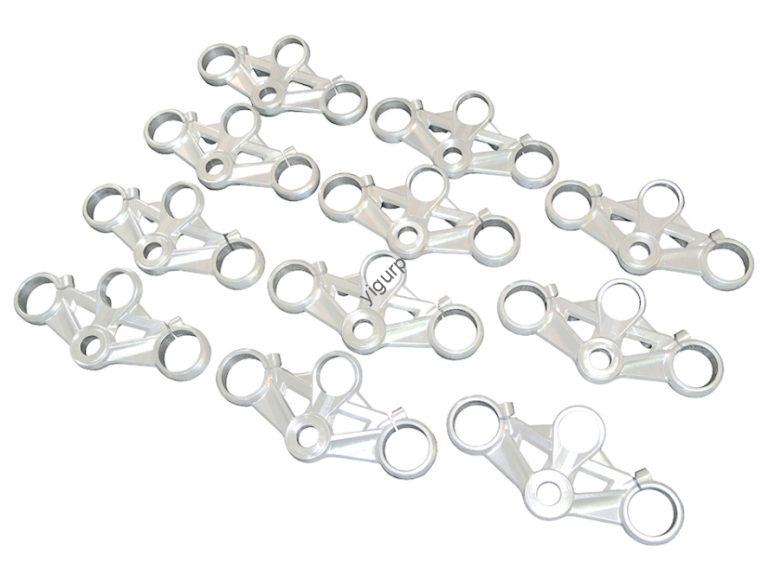
Se você é um engenheiro de produto ou profissional de compras e está se preparando para o desenvolvimento de produtos, partnering with the right prototype making factory é uma virada de jogo. Essas instalações especializadas transformam suas ideias de design em protótipos tangíveis – essenciais para testar a viabilidade, funcionalidade, e aparência antes da produção em massa. Vamos mergulhar no que as fábricas de protótipos fazem, seus principais processos, exemplos do mundo real, and how to choose the best one for your needs.
What Is a Prototype Making Factory?
UM prototype making factory is a facility dedicated to designing, fabricação, and refining prototypes (also called “first boards”). Unlike mass-production factories, their focus is on small-batch, custom prototypes that help validate product designs. Whether you need a plastic housing for a new gadget or a metal component for an automotive part, these factories use tools like CNC machining and replica molds to bring your 3D files to life.
Take a startup developing a smart wearable, por exemplo. They had a 3D design for a TPU wristband but needed 5 prototypes to test flexibility and fit. A prototype making factory turned their design into physical wristbands in 4 days—using replica mold processes for the soft TPU material and adding a silk-screened logo. The startup was able to adjust the wristband’s size based on user feedback, saving them from costly mistakes in mass production.
Core Workflow of a Prototype Making Factory
Every prototype making factory follows a structured process to ensure quality and accuracy. Abaixo está uma análise passo a passo, using a case study of a factory working with a consumer electronics brand (prototyping an ABS plastic phone case).
1. Receiving Customer Requirements
The process starts with the factory gathering all your needs. This includes 3D design files (like STL or CAD), preferências materiais (por exemplo, ABS, PC, metal), color specifications, and functionality goals.
- Exemplo de caso: The electronics brand provided a SolidWorks 3D file of the phone case (150 mm × 75 mm × 8 milímetros) and requested ABS plastic (para durabilidade) with a matte black finish. They also noted the case needed to fit a specific phone model with precise cutouts for buttons and cameras.
- Key Tip: Always share detailed 3D files—factories use these to program machines, so missing details can cause delays.
2. Design Confirmation
Antes de iniciar a produção, the factory reviews your design and communicates with you to align on every detail. This step prevents misunderstandings later.
In the phone case project, the factory noticed the 3D file’s camera cutout was 0.5 mm smaller than the actual phone’s camera. They flagged this to the brand, who adjusted the design—saving the factory from making 5 useless prototypes (um $300 mistake avoided).
3. Preparação de Materiais
Factories source and prepare raw materials based on your design. The choice of material depends on your prototype’s purpose: por exemplo, use PC for heat-resistant parts or TPU for flexible components.
| Material | Melhor para | Propriedades principais | Example Use in the Phone Case Project |
| Plástico ABS | Durável, low-cost plastic prototypes | Resistente a impactos; Densidade: 1.05 g/cm³ | Phone case (handles daily wear) |
| PC Plastic | Heat-resistant parts | Heat deflection temp: 132°C; Transparente | Laptop charger housings |
| TPU (Poliuretano Termoplástico) | Flexível, stretchable parts | Alongamento: 500-700%; Waterproof | Smartwatch wristbands |
| Liga de alumínio | Lightweight metal prototypes | Força: 310 MPa; Resistente à corrosão | Automotive sensor brackets |
4. Prototype Manufacturing
Factories use a mix of techniques to make prototypes, depending on material and design complexity. Os métodos mais comuns são:
UM. Hand Making
Para protótipos simples (like a basic plastic enclosure), factories may use hand tools (por exemplo, saws, sanders) to shape materials. This is fast and cost-effective for 1-2 pedaços.
B. Usinagem CNC
For precise, partes complexas (like the phone case with camera cutouts), CNC machining is used. It uses 3D data to cut material with accuracy up to ±0.005 mm.
- Exemplo de caso: The phone case’s ABS plastic block (160 mm × 85 mm × 10 milímetros) was loaded into a CNC milling machine. The machine used a 2 mm end mill to cut the case’s shape and camera cutouts—taking 1.5 hours per prototype.
C. Replica Mold Process
Para materiais macios (como TPU) ou geometrias complexas (like a curved phone case edge), replica molds (often silicone) are used. The factory pours liquid material into the mold, which cures into the prototype shape.
5. Pós-processamento
After manufacturing, prototypes go through steps to improve appearance and functionality:
- Moagem & Polimento: Removes burrs and knife marks. For the phone case, the factory used 200-grit sandpaper to smooth edges, then 400-grit for a matte finish.
- Tratamento de superfície: Adds color or texture. The phone case got a matte black spray paint (com 2 coats for even coverage) and a silk-screened logo (white ink, 0.5 mm de espessura).
- Conjunto: If the prototype has multiple parts (por exemplo, a phone case with a kickstand), the factory assembles them. In this case, the phone case was a single piece, so assembly wasn’t needed.
6. Teste & Inspeção de Qualidade
Factories test prototypes to ensure they meet your requirements. Common checks include:
- Size Accuracy: Using digital calipers to verify dimensions. The phone case’s length was 150 mm ±0.02 mm (todos 5 prototypes passed).
- Funcionalidade: Testing if the prototype works as intended. The phone case was fitted onto the target phone—all cutouts aligned with buttons and the camera.
- Aparência: Checking for scratches or uneven paint. One prototype had a small paint smudge; the factory re-sprayed it for free.
7. Delivery to the Customer
Uma vez aprovado, the factory packages and ships the prototypes. The phone case prototypes were shipped in bubble wrap (to prevent scratches) and arrived 2 days after inspection—right on the startup’s timeline.
Key Advantages of Working With a Professional Prototype Making Factory
Partnering with a reputable factory offers 4 big benefits, backed by data from the phone case project:
| Vantagem | How It Helps You | Data from the Phone Case Project |
| Error Prevention | Factories catch design flaws early (like the too-small camera cutout). | Avoided a $300 rework cost and 3-day delay. |
| Retorno Rápido | Ferramentas especializadas (CNC, replica molds) acelerar a produção. | 5 phone case prototypes made in 4 dias (contra. 7 days with a general workshop). |
| Experiência em Materiais | Factories recommend the best materials for your needs. | Suggested ABS plastic (contra. cheaper but less durable PVC) — the prototypes withstood 10 testes de queda (1.5 metros) without breaking. |
| Economia de custos | Small-batch production means you don’t pay for mass-production tooling. | O 5 phone cases cost \(150 total (contra. \)5,000 for metal molds for mass production). |
How to Choose the Right Prototype Making Factory
Not all factories are the same—here are 3 tips to find the best one:
- Check Their Equipment: Look for factories with CNC machines, replica mold tools, and quality inspection gear. The phone case factory had a 3-axis CNC mill and a surface roughness tester—signs of professionalism.
- Ask for Past Work: Request examples of prototypes similar to yours. The factory shared photos of other phone cases they’d made, showing their experience with ABS plastic and surface treatments.
- Evaluate Communication: Choose a factory that responds quickly and asks detailed questions. The phone case factory followed up within 2 hours of receiving the design and clarified the finish requirements—no last-minute surprises.
Yigu Technology’s View on Prototype Making Factories
Na tecnologia Yigu, we’ve collaborated with 500+ prototype making factories to support our clients’ product development. We believe a good prototype making factory is more than a manufacturer—it’s a partner that saves you time and reduces risk. We prioritize factories with strict quality control (como 100% inspection of prototypes) e prazos de entrega rápidos (3-5 days for most projects). For procurement professionals, this means you get reliable prototypes that let you iterate quickly—critical for staying ahead in competitive markets. We also help clients connect with factories specializing in their material (por exemplo, ABS, metal) to ensure the best results.
Perguntas frequentes
- P: How long does a prototype making factory take to make prototypes?
UM: It depends on complexity—simple prototypes (like a basic plastic part) take 2-3 dias, while complex ones (like a metal component with multiple parts) take 5-7 dias. The phone case project took 4 dias, including design checks and shipping.
- P: What’s the minimum number of prototypes a factory can make?
UM: Most factories accept orders of 1-100 protótipos. Por exemplo, we’ve worked with factories to make 1 prototype of a medical device component (for initial testing) e 50 prototypes of a toy (for user focus groups).
- P: Can a prototype making factory adjust the design after starting production?
UM: Sim, but it may add time and cost. If you need changes (por exemplo, resizing a part), tell the factory as early as possible. In the phone case project, the brand adjusted the camera cutout before machining—no extra cost. If they’d asked after machining, it would have added $200 e 2 dias.